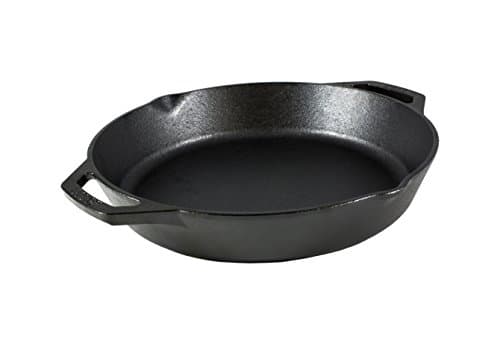
Buy the 10.25-inch Lodge skillet, a silicone handle sleeve, a pan scraper, a chainmail scrubber and a can of seasoning spray, and put them in a box together. That is the kit. The pan is the gift; the other four items each remove one specific reason beginners quietly stop using cast iron — a handle too hot to hold, food stuck to the surface, a pan that feels impossible to clean, and no obvious way to maintain it. Total cost is still modest, and it reads as a far more considered present than the pan alone.
People do not abandon cast iron because it cooks badly. They abandon it because of a handful of small friction points in the first month, every one of which is solvable for a few dollars. Buying the pan without the friction fixes is the gifting equivalent of giving someone a bike with no pump.
What goes in the box, and why each piece is there
1. The pan: a 10.25-inch Lodge
The right first skillet is the one that gets used daily, and 10.25 inches is that size — big enough for four eggs, two steaks or a batch of cornbread, light enough to lift one-handed. It arrives seasoned from the foundry, which means the recipient can cook in it the day they open it. A pan that needs setting up before first use is a pan with a real chance of never being used at all. Our beginner skillet guide goes deeper on the size argument.
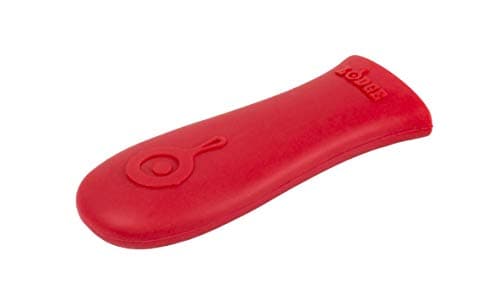
2. The handle sleeve
The most common complaint from new owners, and the cheapest fix on this list. A cast iron handle is the same temperature as the pan, and unlike a stainless pan there is no thermal break. A silicone sleeve turns that from a daily hazard into a non-issue. Most people who own cast iron for years never get around to buying one and should have on day one.
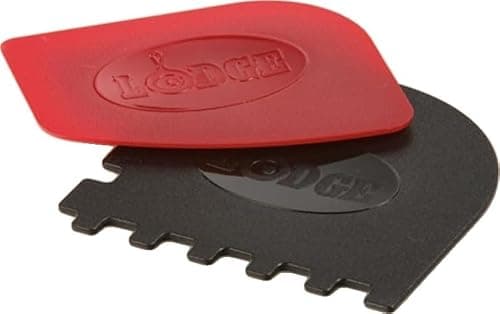
3. The pan scraper
A stiff plastic scraper removes stuck food without touching the seasoning underneath, and it turns cleanup into a ten-second job. Beginners either soak the pan (which invites rust) or attack it with steel wool (which strips it). The scraper is the correct middle answer and costs almost nothing.
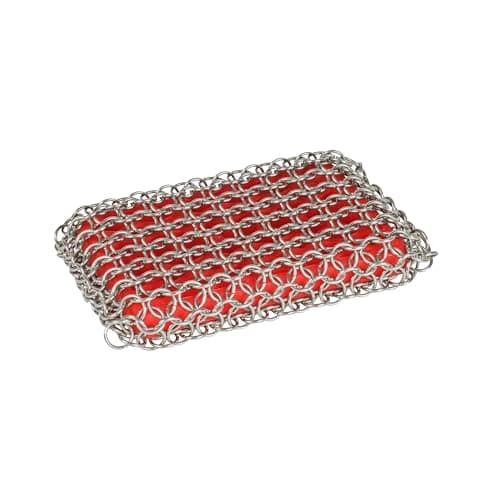
4. The chainmail scrubber
For the jobs the scraper cannot finish — genuinely burnt-on food, or the light surface rust a neglected pan will eventually pick up. Chainmail is aggressive enough to remove the mess and forgiving enough not to gouge the pan. It is the single accessory existing cast iron owners most often say they wish they had bought sooner.
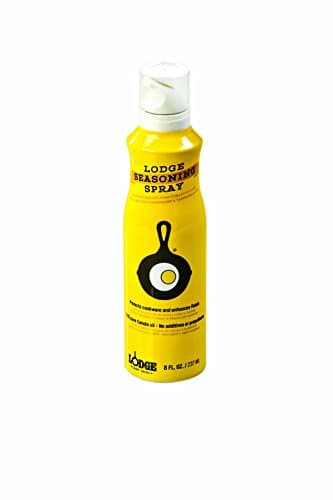
5. The seasoning spray (optional but nice)
A canola spray formulated for cast iron makes maintenance a two-second habit rather than a project. It is not magic — a paper towel and any neutral oil does the same thing — but the convenience genuinely changes whether someone does it. Our oil guide explains what is actually happening chemically if the recipient wants to know.
Should you just buy a boxed set instead?
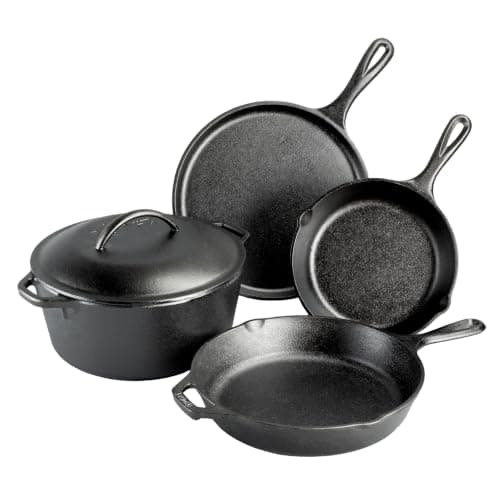
Boxed cast iron sets exist and they look tidier under a tree. Our honest read is that the assembled kit is better value and a better gift, for two reasons.
First, sets are built to hit a headline price, which means the extra pieces are chosen for cost rather than usefulness — usually a 6.5-inch skillet nobody reaches for and a griddle that does not fit the burner. Second, a set gives you more pans and no care gear, which is precisely backwards for a beginner: the problem is never that they own too few pans in month one.
The one genuine exception is furnishing a kitchen from zero — a first apartment, a new household — where a multi-piece set is a real head start. We have included the strongest of those below so you can compare, and the full argument is in set vs individual pieces.
Presenting it
Two small things that make the kit land better. Put the small items insidethe pan — it reads as one object rather than a pile of accessories. And write down the single instruction that matters on a card: wash it, dry it on the stove for a minute, wipe a little oil in. Everything else can be learned later. Our first-time guide is a good link to include if you want to go further.
Do not include a lecture about soap. The old rule is wrong, modern dishwashing liquid does not strip a polymerized seasoning, and telling a nervous beginner they must never use soap is the fastest way to make the pan feel like a burden. We settle that specific myth in can you use soap.
Assembling the kit
Spend the money on the pan, not the extras
All four accessories together cost a fraction of the skillet, and that ratio is correct. Do not upgrade to a premium scraper or a designer trivet at the expense of pan size. The pan is what gets used every day.
Skip the bristle brush if you are buying the chainmail
They overlap. A scraper plus chainmail covers everything from light residue to burnt-on. A dedicated brush is nice, not necessary, and a four-item kit is already generous.
Do not include a lid unless you know the pan
Lids are pan-specific and easy to get wrong by half an inch. If the recipient wants one, they can buy the right one later — or you can give a covered skillet from the start, which our skillet-with-lid roundup covers.
Enameled recipients need a different kit
If you are giving enameled rather than bare cast iron, the scraper and chainmail are wrong — metal and abrasives on vitreous enamel will mark it. Give wooden or silicone tools and a non-abrasive cleaner instead, and read Lodge's enamel care guidance before you shop.
The whole kit still comes in under a mid-range single pan
That is the quiet argument for doing it this way. Five useful pieces cost less than one boutique skillet, and for a beginner they deliver far more. The boutique pan is a wonderful gift for someone who already cooks in cast iron — see heirloom vs starter for that decision.