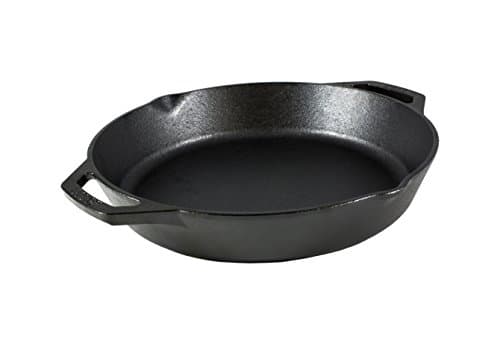
Give the 10.25-inch Lodge skillet. It is the most-used pan in millions of American kitchens, it is made in a Tennessee foundry, it arrives ready to cook, and it will outlive the person you give it to. Under fifty dollars, nothing else in any cookware category comes close to that claim — and unlike most cheap gifts, it is not a compromise version of a better thing. It is the thing.
Most categories punish a fifty-dollar budget. Cast iron does not, for a structural reason: the material is cheap, the manufacturing is old and amortized, and the performance comes from mass rather than from engineering you have to pay for. A budget skillet and a two-hundred-dollar skillet hold heat almost identically. What the expensive one buys is a machined-smooth surface and a nicer handle, which are real but are refinements, not fundamentals.
That makes this an unusually honest bracket to shop in. Below are six pieces that sit comfortably under fifty at the time of writing, ranked by how likely the recipient is to actually use them. Every price you see is pulled live — the button is the truth, not the headline, and a sale or a price move can shift any of these.
How to pick from this list
| Gift | Give it to | Why it lands |
|---|
| Lodge 10.25" skillet | Anyone, including someone who owns pans | The default cast iron pan; used more than anything else in the kitchen |
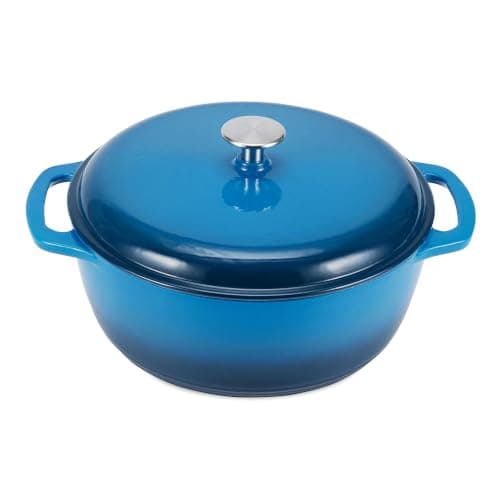
| Enameled dutch oven | A nervous cook, or a new household | Looks like a much more expensive gift and needs no seasoning knowledge |
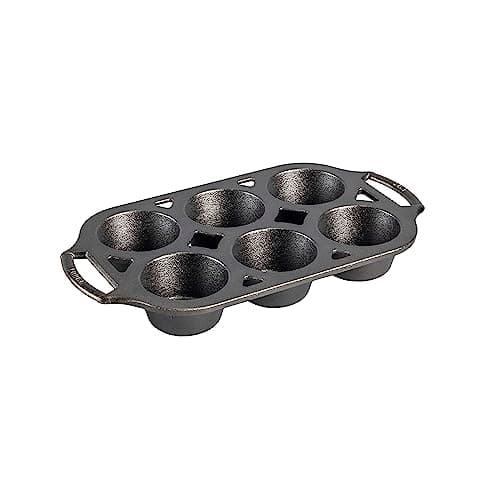
| Cast iron muffin pan | A baker | Crisp-edged muffins and popovers a steel tin cannot produce |
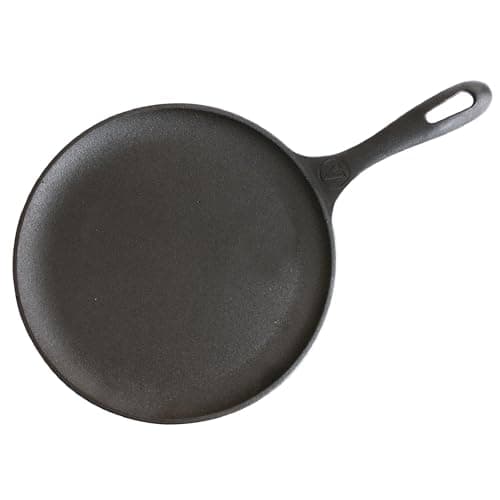
| Comal / round griddle | Someone who cooks tortillas, dosa or flatbreads | A specific, thoughtful gift rather than a generic one |
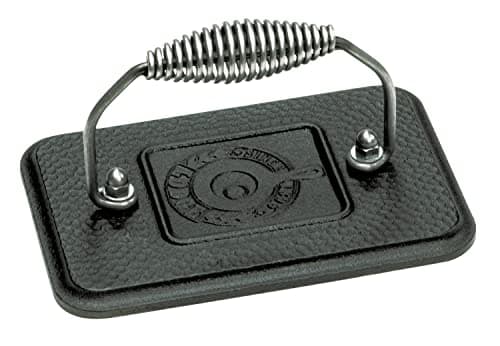
| Grill press | A smash-burger or bacon person | Small, cheap, and visibly changes results the first time |
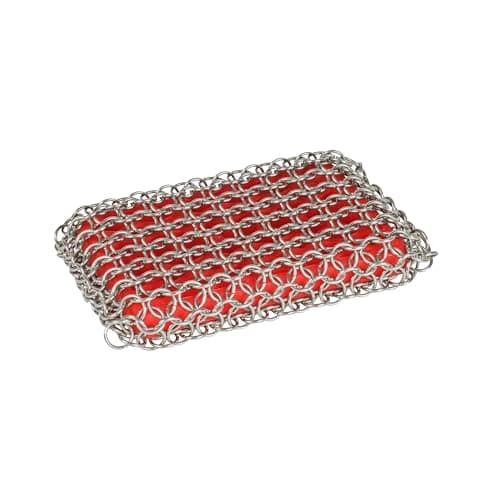
| Chainmail scrubber | Someone who already owns cast iron | The add-on that solves the one complaint owners actually have |
Why the 10.25-inch skillet is the pick
Size is the whole argument. A 10.25-inch pan takes four eggs, two steaks, a chicken, a batch of cornbread or a skillet of roast vegetables. An 8-inch is a single-portion pan and a 12-inch is heavy enough that some people stop reaching for it. The 10.25 is the size that gets used, and a gift that gets used beats a gift that impresses.
It also arrives working. Lodge has seasoned its pans in the foundry since 2002, so there is no first-time ritual standing between the recipient and dinner. That matters enormously for a gift: anything that requires homework before first use has a real chance of sitting in a cabinet.
If the person already owns one, do not buy a second skillet — buy the thing that improves the one they have. That is the scrubber, the press, or a care kit built around the pan they own.
The enameled dutch oven at this price is the sleeper
A budget enameled dutch oven is the highest-impact gift on this list per dollar, because it looks like a far more expensive object than it is. Vitreous enamel — glass fused to the iron — means it needs no seasoning, will not rust, cleans with soap and handles tomato and wine freely.
The honest caveat: enamel quality is where the budget shows. The finish is thinner than a French pot's, the handles are smaller and less comfortable in oven mitts, and there is no lifetime warranty. It braises identically. If you want that argument in full, we make it in the best budget dutch ovens and in Lodge vs Le Creuset.
What not to give in this bracket
A multi-piece cheap skillet set. Three pans for the price of one sounds generous and is usually two pans they will not use plus one they would rather have bought properly. See set vs individual pieces.
A novelty shape.Cornstick pans, mini skillets in the shape of things, single-purpose gadgets. They are charming for a week. The exception is a genuine specialist tool for a genuine specialist — a comal for someone who makes tortillas weekly is a wonderful gift; a comal for someone who does not is a wall decoration.
A pan that needs stripping.Do not give vintage cast iron found at a flea market unless you have restored it yourself. A rusted pan is a chore with a bow on it. If you want to go that route, restore it first — our restoration guide is the place to start.
Buying a cast iron gift well
Match the piece to what they cook, not to what looks impressive
The most common gifting mistake in this category is buying the biggest, heaviest thing the budget allows. A 15-inch skillet is an imposing object and an unusable one for most people. Weight is the single biggest reason cast iron ends up in a cabinet.
Prices move, especially in November
Everything here sits comfortably under fifty dollars at the time of writing, but cast iron discounts hard in Q4 and occasionally moves the other way. We do not print prices in the text for exactly that reason — the button shows today's number with the date it was checked, and that is the number to trust.
Bare iron needs one sentence of explanation, enamel needs none
If you give bare cast iron to someone who has never used it, include the one instruction that matters: dry it on the stove after washing. Everything else about seasoning can wait. If you would rather give something with no learning curve at all, give enameled.
Two small things beat one medium thing
A skillet plus a scrubber reads as a considered gift. A slightly nicer skillet on its own reads as a pan. If your budget is at the top of this bracket, splitting it is usually the better move — and the first-skillet kit page is built entirely around that idea.
Check what they own before you buy a duplicate
Cast iron is the category where duplicates are most likely, because the Lodge 10.25 is so common. If in doubt, buy the accessory or the enameled pot rather than another skillet.