Guides & Comparisons
Cast Iron Guides & Comparisons
The decisions and the techniques — material vs material, brand vs brand, and the recipes that show a well-used pan at its best.
This is where the pieces connect: the material comparisons that decide what to buy, the head-to-heads between the pans everyone's torn over, and the technique pages that prove why cast iron is worth the care. Read these when you're deciding, then follow the links to the specific pan we'd recommend for the job.
We earn a commission when you buy through our Amazon links, at no extra cost to you. It never affects our rankings, and we say so when the cheaper pan is the better buy. How this works.
Start here
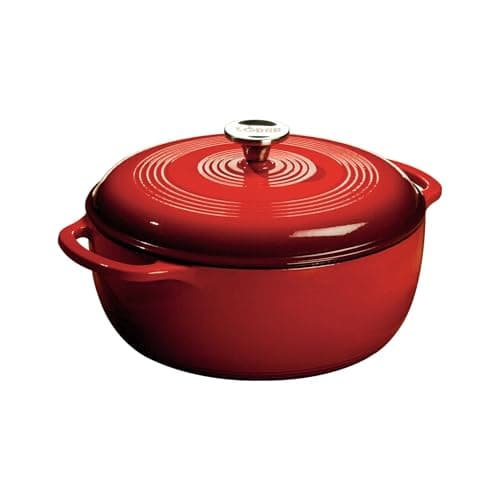
Lodge vs Le Creuset: Is the Splurge Worth It?
The Lodge enameled dutch oven does about 90% of what a Le Creuset does for roughly a third of the price. Here is exactly where the French pot earns its premium, and where it does not.
Before you buy
What to know first
Material vs material
Before you pick a brand, you often pick a material. Cast iron versus carbon steel is a question of thermal mass versus responsiveness; cast iron versus stainless is a question of seasoning-nonstick versus fond-and-deglaze. These comparisons lay out the honest trade-offs so you buy the pan that fits how you actually cook, not the one an ad told you to want.
Brand vs brand
Some decisions come down to two specific pans. Lodge versus Le Creuset is the classic — the same dish comes out nearly identical from a $90 pot and a $450 one, so the question is really what the premium buys you. Our head-to-heads put the two side by side on cost, performance and the things that actually differ, and then tell you which we'd hand our own money to.
The techniques that prove the point
A cast-iron pan earns its keep at the stove. The steak that sears better because of the pan's thermal mass, the loaf of bread that springs in a preheated pot — these technique pages show the material doing what nothing else does as well. They are also the honest form of first-hand experience: real cooking, documented, rather than a lab we do not have.
How to use this hub
Start with the comparison that matches your decision, read the buying guide for the category you're shopping, then follow the link to the specific roundup or brand review for the pick. Everything here points somewhere — the guides are the map, and the roundups are the destination.
Everything in this hub
All guides & comparisons guides
Head to head
Lodge vs Le Creuset: Is the Splurge Worth It?
The Lodge enameled dutch oven does about 90% of what a Le Creuset does for roughly a third of the price. Here is exactly where the French pot earns its premium, and where it does not.
$72.99Top pick2 picks ranked
Roundup
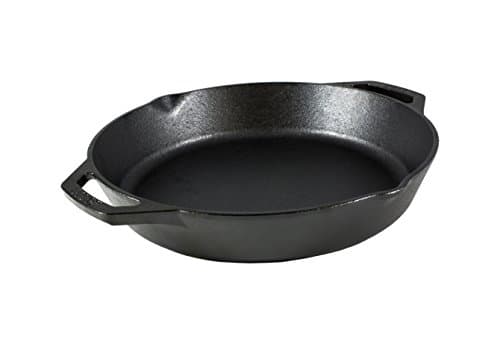
The Best Cast Iron Cookware
The short list for a whole cast-iron kitchen: one skillet, one dutch oven, a griddle, a bread vessel, and the splurge. Ranked in the order most people should buy them.
$24.42Top pick6 picks ranked
Roundup
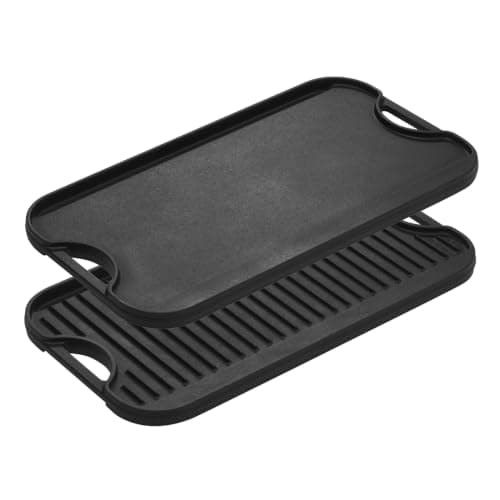
The Best Cast Iron Griddles and Grill Pans
A flat griddle and a ridged grill pan do different jobs. Here is which is which, who each is for, and the four cast-iron picks worth buying, ranked.
$49.90Top pick4 picks ranked
Roundup
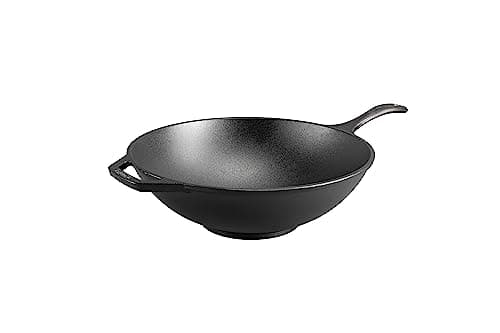
The Best Cast Iron Woks
The cast iron woks still worth buying, ranked with live prices - the made-in-USA Lodge Chef Collection most home cooks should get, the cheapest full-size 14-inch pan, and the mini for single servings, plus the honest case for a carbon steel wok instead.
$59.90Top pick3 picks ranked
Roundup
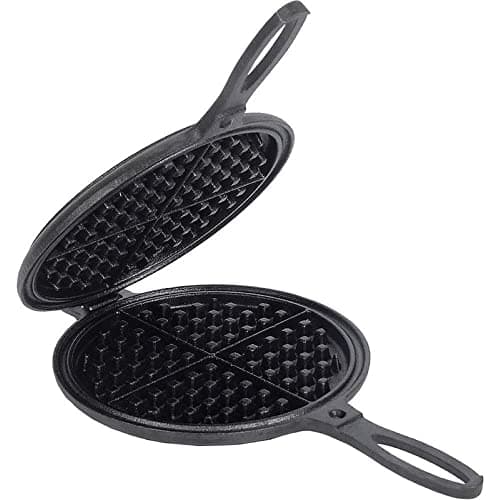
The Best Cast Iron Waffle Makers
Non-electric cast iron waffle makers ranked with live prices, from the reputable Lehman's most people should buy to the Rome irons built for the campfire — plus an honest steer to an electric maker if convenience is what you want.
$49.98Top pick5 picks ranked
Roundup
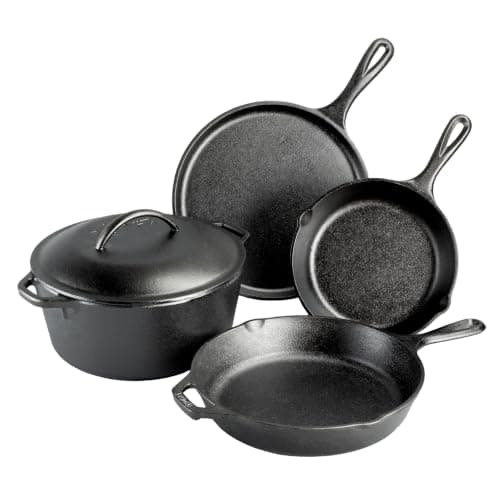
The Best Cast Iron Cookware Sets
Five cast iron cookware sets ranked with live prices, from a real Lodge bundle to a matched enameled set — plus an honest read on when two single pans beat any set.
$98.98Top pick5 picks ranked
Roundup
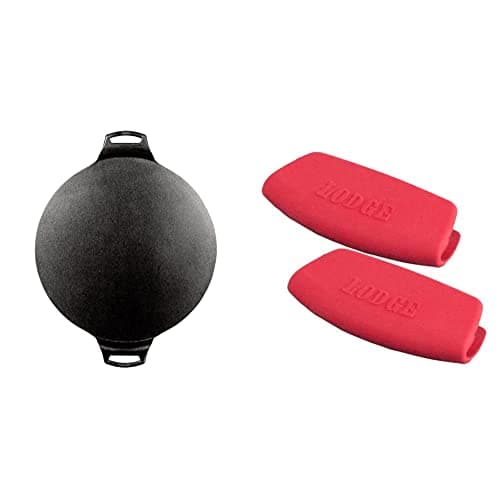
The Best Cast Iron for Pizza
Five cast iron ways to a better pizza, ranked with live prices — from a dedicated Lodge pizza pan for a full round pie to the skillet that makes the best deep-dish, plus the honest case for a baking steel.
$49.89Top pick5 picks ranked
Roundup
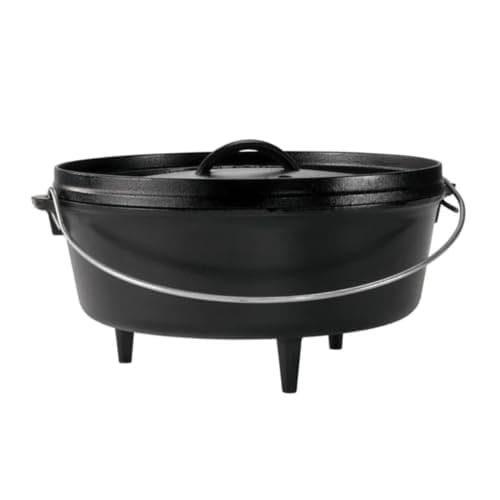
The Best Cast Iron for Camping
Five pieces of cast iron built for the fire, ranked with live prices — from a footed camp dutch oven that bakes cobbler over coals to the combo cooker that packs two pans in one and the campfire skillet everyone needs.
$79.90Top pick5 picks ranked
Roundup
The Best Cast Iron Gifts
Cast iron gift ideas at every budget, ranked with live prices — from the enameled dutch oven that wows a new cook to the heirloom skillet, the bread-baker's combo cooker, and a stocking stuffer under fifteen dollars.
$72.99Top pick6 picks ranked
Roundup
The Best Budget Cast Iron
The cheapest cast iron worth owning, ranked with live prices — a skillet, an enameled dutch oven, a three-piece set, and a big pot that all rival pans costing far more, plus when paying up is a waste.
$24.42Top pick4 picks ranked
Roundup
The Best Cast Iron for the Grill
Cast iron pieces that turn a grill into a full outdoor kitchen, ranked with live prices — a skillet for the small stuff, a grill press for smash burgers and bacon, and a griddle for breakfast over fire.
$24.42Top pick5 picks ranked
Roundup
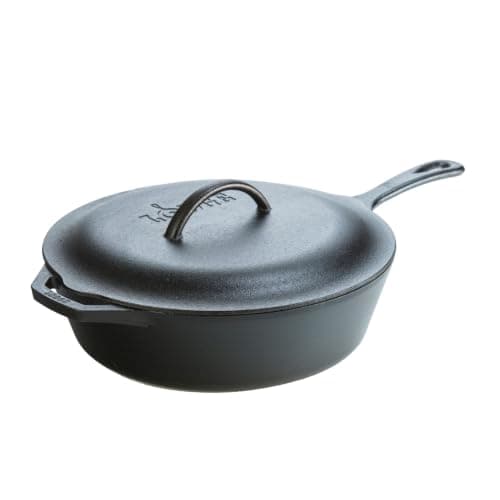
The Best Cast Iron for Deep Frying
Cast iron pieces built to fry, ranked with live prices — a covered deep skillet, bare and enameled dutch ovens, and a skillet for shallow frying. Cast iron's heat retention keeps oil temperature steady for crisp, non-greasy results.
$69.90Top pick5 picks ranked
Roundup
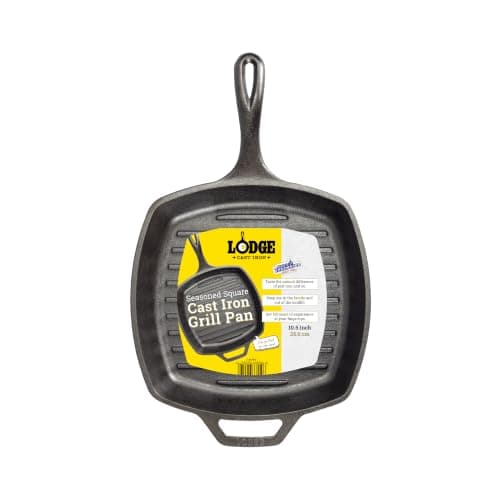
The Best Cast Iron Grill Pans
Three cast iron grill pans ranked, from the budget-champion Lodge square pan to a lighter Chef Collection pan and a two-burner reversible slab for a crowd.
$24.90Top pick3 picks ranked
Roundup
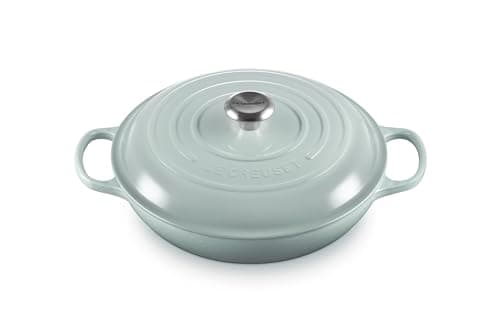
The Best Cast Iron Braisers
Three cast iron braisers ranked, from the do-it-all Le Creuset to a Staub with a glass lid and a budget bare-iron deep skillet that braises for far less.
$399.95Top pick3 picks ranked
Head to head
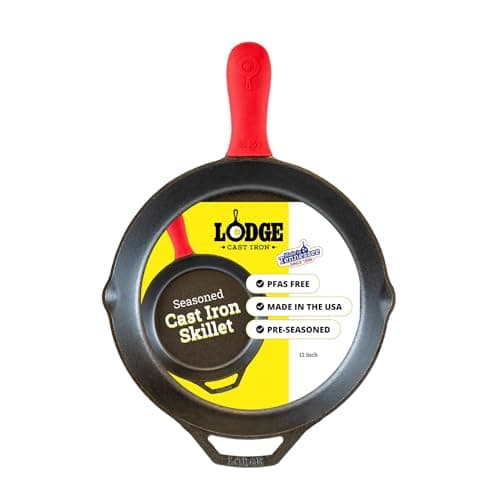
Lodge vs Victoria: The Value Skillet Showdown
Two cast iron skillets compared head to head: Lodge's decades of consistency and lower price versus Victoria's longer curved handle and flaxseed seasoning.
$34.90Top pick2 picks ranked
Head to head
Staub vs Lodge: Is the French Cocotte Worth It?
The French heirloom versus the value champion: what a Staub cocotte's matte enamel, self-basting lid and resale value buy over a Lodge that braises just as well.
$72.99Top pick2 picks ranked
Roundup
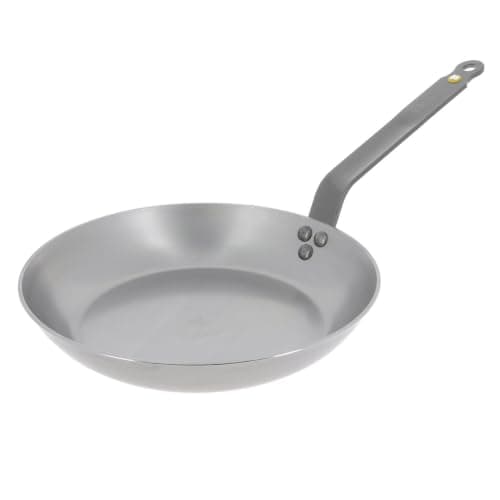
The Best Carbon Steel Skillets
Five carbon steel skillets ranked, from the do-everything De Buyer Mineral B to a pro-kitchen Matfer, a lighter blued-steel pan, a budget option and an induction-ready Mauviel.
$78.90Top pick5 picks ranked
Roundup
The Best Lodge Cast Iron
The Lodge pieces worth owning, ranked: start with the 10.25-inch skillet, then the enameled dutch oven, the combo cooker, and the grill gear - with live prices.
$24.42Top pick6 picks ranked
Roundup
The Best Cast Iron for Induction
Cast iron is ideal for induction because it is magnetic - here are the flat-based skillets and dutch ovens to buy, with live prices, plus the one habit that protects your glass top.
$24.42Top pick5 picks ranked
Roundup
The Best Cast Iron for Steak
The pans that sear the hardest steak crust, ranked with live prices - led by a heavy 12-inch Lodge, with a smooth upgrade, a carbon steel option and a grill press.
$34.90Top pick5 picks ranked
Roundup
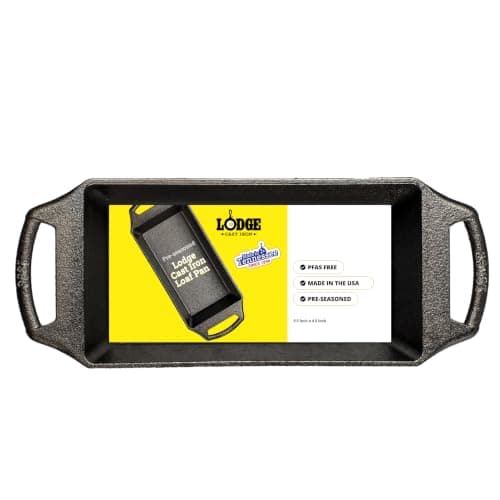
The Best Cast Iron Bakeware
Cast iron loaf, muffin, wedge and mini cake pans ranked with live prices - the bakeware that gives crisp, deeply browned crusts, led by the do-everything loaf pan.
$19.90Top pick4 picks ranked
Roundup
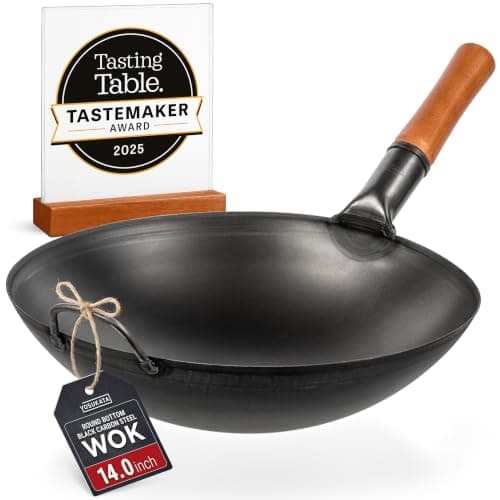
The Best Carbon Steel Woks
Carbon steel woks ranked with live prices - a pre-seasoned all-rounder, a flat-bottom pick for electric and induction, and traditional hand-hammered pow woks, plus the honest stove-fit advice.
$64.99Top pick4 picks ranked
Roundup
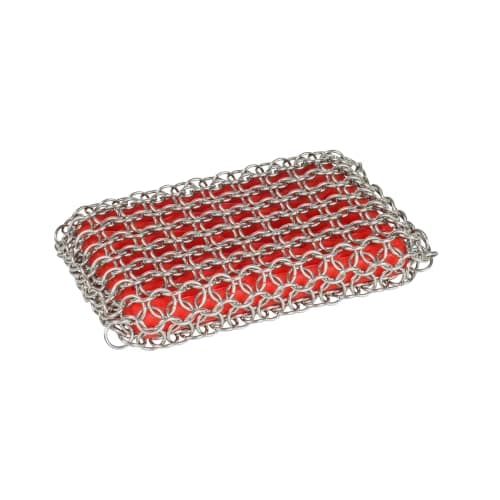
The Best Cast Iron Accessories
The cast iron accessories genuinely worth owning, ranked with live prices - a chainmail scrubber, a handle holder, a pan scraper, seasoning spray and a grill press.
$24.90Top pick6 picks ranked
Roundup
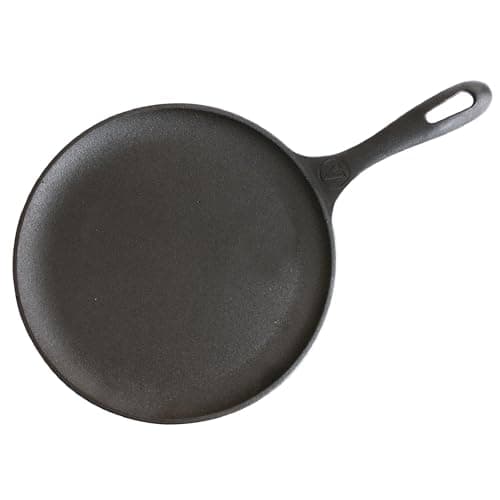
The Best Cast Iron Comals
Cast iron comals and round griddles ranked with live prices - flat pans that char tortillas, roti, dosa and quesadillas evenly, from a value Victoria to Lodge rounds and a dedicated Uno Casa comal.
$30.99Top pick4 picks ranked
Roundup
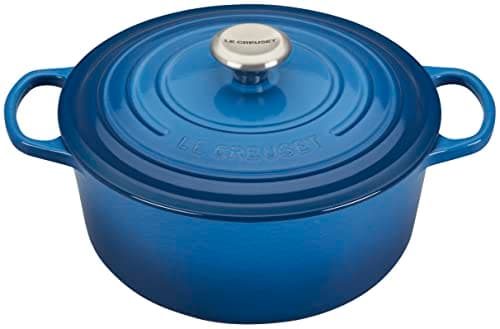
The Best Cast Iron for a Wedding Registry
The cast iron worth registering for, ranked with live prices - the heirloom Le Creuset dutch oven, the value Lodge pot and skillet, a smooth upgrade pan, a combo cooker and the accessories.
$454.95Top pick6 picks ranked
Roundup
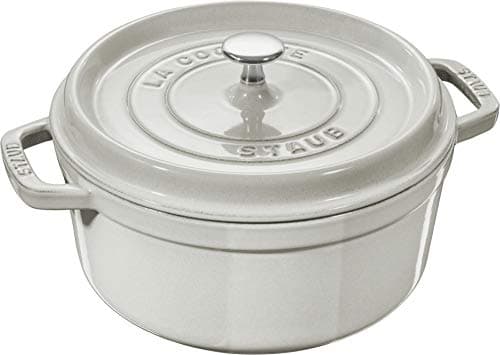
The Best Staub Cast Iron
Staub cast iron ranked with live prices - the 5.5-quart cocotte is the centerpiece, with a mid-size 4-quart, a wide braiser and an enameled fry pan, plus what the dark enamel does.
$329.99Top pick4 picks ranked
Roundup
The Best Enameled Cast Iron Cookware
Enameled cast iron cookware ranked with live prices across pieces - the value Lodge dutch oven leads, with Le Creuset and Staub pots, a braiser and enameled skillets.
$72.99Top pick6 picks ranked
Roundup
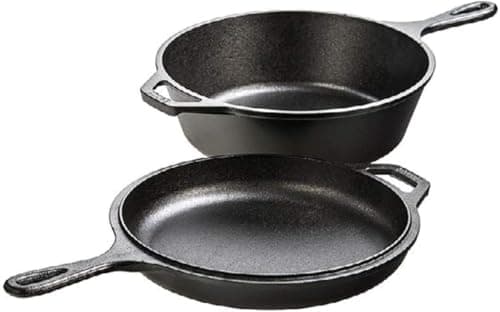
The Best Cast Iron for a Small Kitchen
The most versatile, space-saving cast iron for a small kitchen or apartment, ranked with live prices - a two-in-one combo cooker, the do-everything skillet, a small pot and a flat griddle.
$59.90Top pick5 picks ranked
Roundup
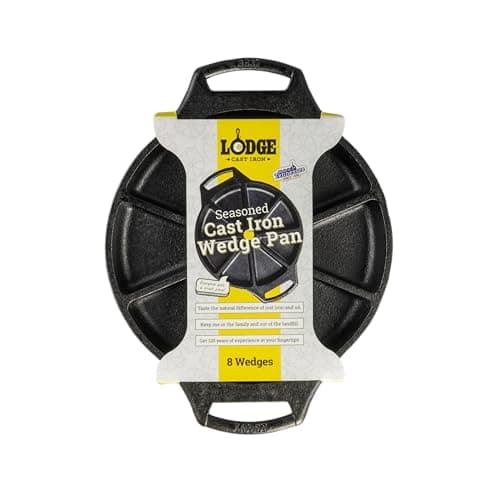
The Best Cast Iron Cornbread Pans
Cast iron cornbread pans ranked with live prices - the Lodge wedge pan is the classic, the cornstick pan the heirloom, with muffin, mini-cake and loaf pans, plus why a plain skillet still makes great cornbread.
$24.90Top pick5 picks ranked
Roundup
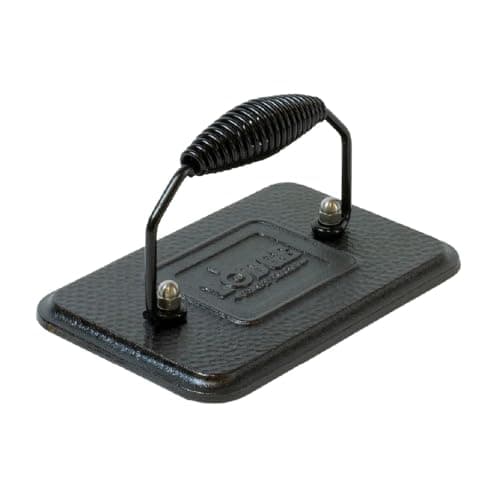
The Best Cast Iron Grill Presses
Cast iron grill presses ranked with live prices - the Lodge rectangular press is the do-everything pick, the Lodge round press suits smash burgers and tortillas, and the Cuisinel is the budget option.
$26.99Top pick3 picks ranked
Roundup
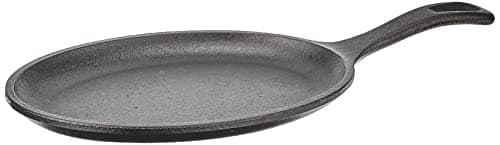
The Best Cast Iron Fajita Pans
Cast iron fajita pans ranked with live prices - the Lodge oval serving griddle is the classic platter, the Bayou Classic includes its trivet, plus a round comal for tortillas and a grill pan for char.
$23.95Top pick4 picks ranked
Head to head
Lodge vs Tramontina: The Value Dutch Oven Showdown
The two value enameled dutch ovens, head to head. Lodge brings a published 500F oven rating and a deep support network; Tramontina brings more capacity for similar money. They braise the same — so the decision comes down to bread and batch size.
$72.99Top pick2 picks ranked
Roundup
No Oven Space? Cook the Holidays in Cast Iron Instead
The oven is the bottleneck in every holiday kitchen. Here is which dish moves to the stovetop, the grill or the coals, and the cast iron that makes each route work - with a 12-inch skillet as the single most useful pan of the day.
$34.90Top pick6 picks ranked
Roundup
The Best Cast Iron Gifts Under $50
Six cast iron gifts that sit comfortably under fifty dollars and still feel substantial - starting with the 10.25-inch Lodge skillet, which is both the best cheap gift in this category and one of the best pans at any price.
$24.42Top pick6 picks ranked
Roundup
The First Cast Iron Gift Kit: Pan Plus the Four Things Around It
The complete first-skillet gift: a 10.25-inch Lodge plus a handle sleeve, a pan scraper, a chainmail scrubber and a seasoning spray. Five inexpensive pieces that between them remove every reason a beginner gives up on cast iron.
$24.42Top pick6 picks ranked
Head to head
Heirloom vs Starter Cast Iron: Which Makes the Better Gift?
The gifting question boutique brands would rather you did not ask. A machined heirloom skillet is a wonderful present for someone who already cooks in cast iron and a slightly awkward one for someone who does not - and the reason is weight, not price.
$24.42Top pick3 picks ranked
Roundup
Premium Cast Iron Gifts: The Splurge Tier, Ranked
The splurge tier, ranked honestly: a French dutch oven is the gift that lands hardest, a braiser is the one people use most, and the machined American skillets are for recipients who already cook in cast iron. Live prices on every pick.
$454.95Top pick6 picks ranked
Head to head
Cast Iron Set vs Individual Pieces: Which Should You Buy?
The honest answer is usually individual pieces: one good 10.25-inch skillet plus care gear beats a three-pan set for almost everyone. Sets win in exactly two cases - furnishing from zero, and gifting a complete kitchen.
$24.42Top pick3 picks ranked
Roundup
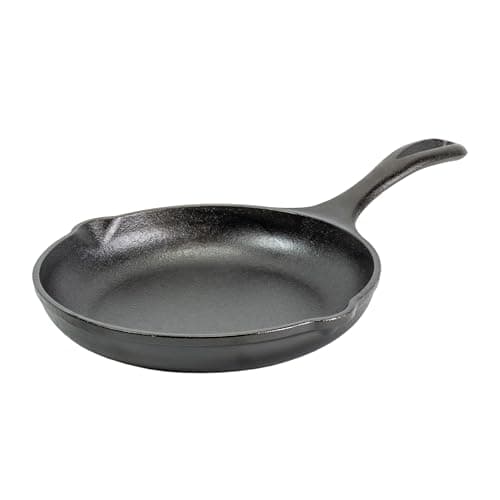
The Best Cast Iron for Glass Top & Electric Stoves
Six pans chosen for a glass-ceramic cooktop on three criteria the usual rankings ignore: a flat base, a base finish free of casting burrs, and low enough weight to lift rather than slide. Plus what the makers themselves publish about it.
$19.90Top pick6 picks ranked
Head to head
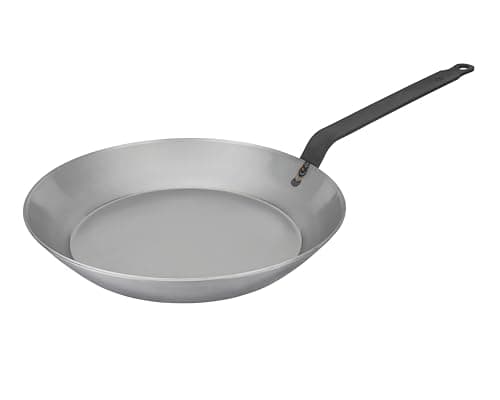
De Buyer vs Matfer Bourgeat
Matfer's handle is welded on with no rivets inside the pan; De Buyer's is riveted and the pan ships waxed. That, plus base thickness and how each one wants to be stripped on day one, is the whole decision. Compared on published specs with live prices.
$113.00Top pick3 picks ranked
Roundup
The Best Cast Iron for Smash Burgers
Five cast-iron surfaces and presses ranked for one job. Why a flat griddle beats a walled skillet, why a 6.75-inch press is the right size, and why the 12-inch skillet is still the right answer if you only want to own one pan.
$49.90Top pick5 picks ranked
Head to head
Cast Iron Skillet vs Pizza Stone
A ceramic stone and a cast-iron plate are not two versions of the same tool. Cast iron conducts heat around 150 times faster, which makes it better for pizza and worse for bread. Compared on conductivity, loading, durability and price.
$49.89Top pick3 picks ranked
Recipe
Cast Iron Filet Mignon
A tenderloin steak is thick, lean and has no fat cap, which breaks the standard hard-sear-both-sides routine. The fix is a heavy pan, a dry surface, a short aggressive sear and a basted, gentler finish - with a thermometer, not a timer.
$24.42Top pick3 picks ranked
Recipe
Dutch Oven Pork Roast
Sear, aromatics, a little liquid, lid on, low oven. Which cut to buy and which to avoid, why the lid changes everything, how long per pound, and the published safe temperature - plus the three pots we would use.
$72.99Top pick3 picks ranked
Recipe
Dutch Oven Whole Chicken
Brown the bird, build a vegetable bed, lid on at 375F, then lid off for the last half hour to recover the skin. Time per pound, the published 165F safe temperature, and the three pots that fit a four-pound chicken.
$72.99Top pick3 picks ranked
Roundup
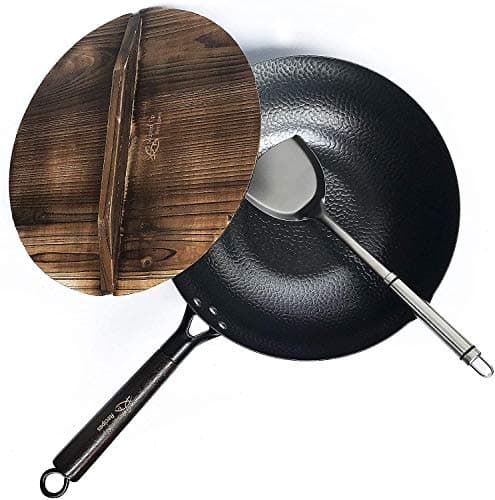
The Best Woks for Glass-Top and Electric Stoves
Four flat-bottom woks ranked for glass-ceramic, coil and induction cooktops: the carbon steel pick that ships with a lid and spatula, the cheapest full-size cast iron flat-bottom, and the two Lodge woks Lodge itself publishes as any-stovetop.
$39.99Top pick4 picks ranked
Buyer's guide
Cast Iron Wok vs Carbon Steel Wok
The wok material decision settled on published numbers: Chinese cast iron woks run about 3 mm and Western ones about 9 mm, while carbon steel's low specific heat makes it the responsive, liftable pan. Which to buy for gas, electric and induction.
$64.99Top pick3 picks ranked
Head to head
Yosukata vs Craft Wok
The pre-seasoned Yosukata against the raw hand-hammered Craft Wok, with the budget Mammafong as the third option. Same diameter, same metal, same burner requirement — a different day one.
$64.99Top pick3 picks ranked
Buyer's guide
Cast Iron Waffle Maker vs Electric
The prior question our waffle roundup skips: should you buy cast iron at all? Thermostats and nonstick coatings against heat retention and a seasoned surface, with honest cleanup and learning-curve costs, then the three stovetop irons worth owning.
$49.98Top pick3 picks ranked
Roundup
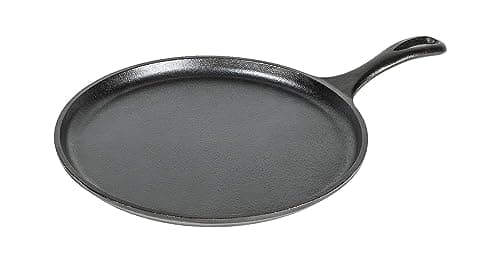
The Best Cast Iron for Pancakes
Four pieces ranked for pancakes specifically: the 10.5-inch round griddle that is the right answer for most kitchens, the two-burner slab for feeding a crowd, the skillet you already own, and the 8-inch round for one or two.
$24.90Top pick4 picks ranked
Buyer's guide
Cast Iron Skillet Recipes
The complete skillet recipe index, sorted by method: what cast iron does better than any other pan, the heat rule for each group, and every recipe we have written for it.
$24.42Top pick3 picks ranked
Buyer's guide
Are Cast Iron Woks Good?
Cast iron woks hold heat superbly and respond to the dial terribly, which makes them excellent deep-fryers and braisers and mediocre stir-fry pans. The honest answer, split by cooktop, with the cases where one is the right buy.
$59.90Top pick4 picks ranked
Buyer's guide
What Is Cast Iron?
The material, then the kitchen consequences: why cast iron is poured rather than pressed, why that makes it thick and brittle, why it sears better than it sautés, and what seasoning actually is. Ends with the three pans the answer points to.
$24.42Top pick3 picks ranked
Buyer's guide
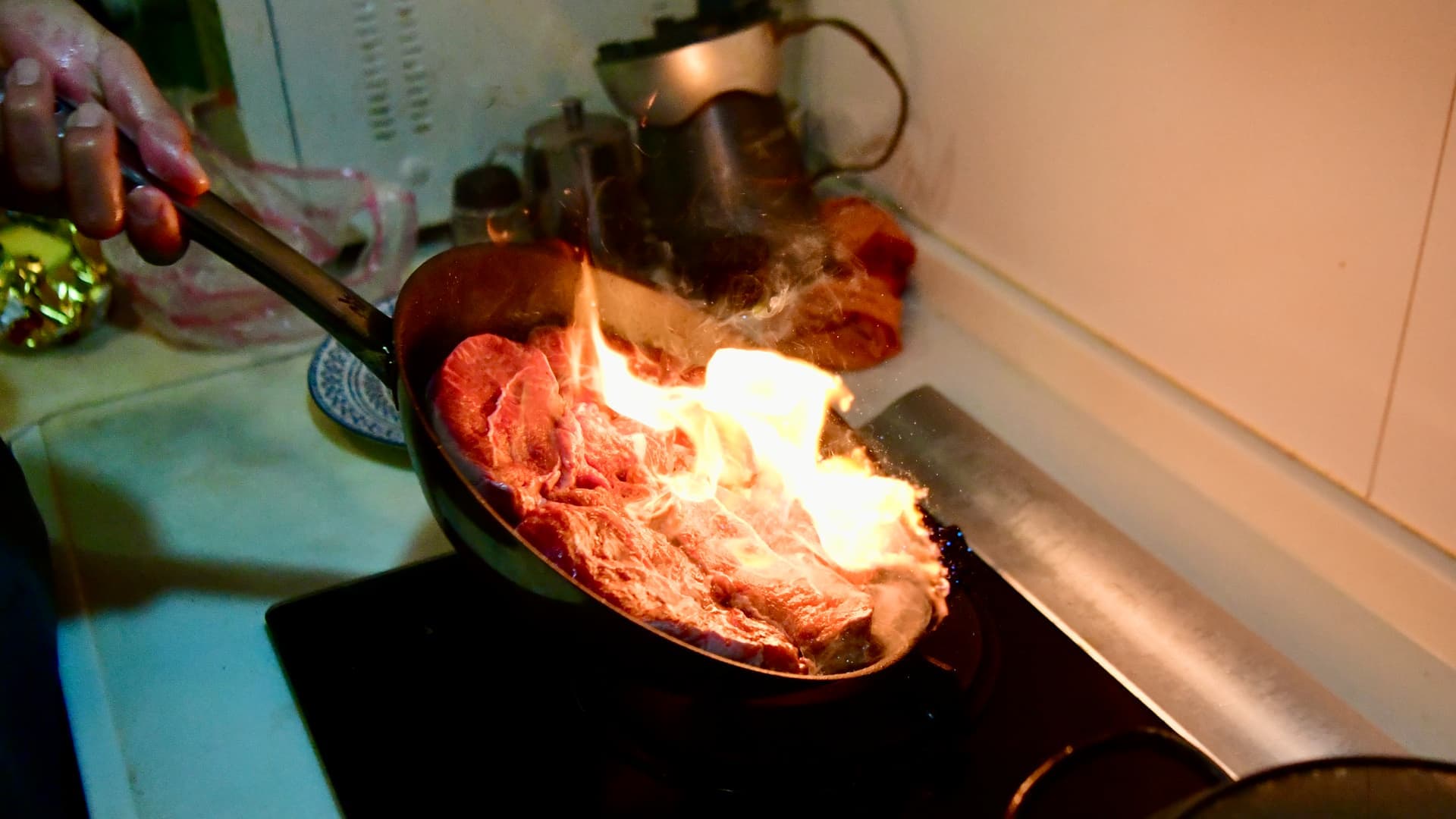
Cast Iron vs Carbon Steel
They are cousins, not opposites: both are bare iron you season. Carbon steel is thinner, lighter, and quicker; cast iron is heavier and holds heat harder. Here is which one wins for you.
Read →
Buyer's guide
Cast Iron vs Stainless Steel
Cast iron becomes nonstick when seasoned; stainless stays non-reactive and builds fond you deglaze. They are complements, not rivals. Here is which pan to reach for, and when.
Read →
Recipe
How to Cook the Perfect Cast Iron Steak
A dry surface, a screaming-hot pan, and patience. The step-by-step for a deep-crusted cast iron steak, plus the reverse sear and the pull temperatures that matter.
Read →
Buyer's guide
What Is a Dutch Oven?
A thick-walled, tight-lidded pot that goes from stovetop to oven. Here is what makes it a dutch oven, the enameled-vs-bare choice, what size to buy, and what to cook in it.
Read →
Buyer's guide
Dutch Oven vs Slow Cooker
A dutch oven browns, bakes, and does a dozen jobs but wants attention; a slow cooker runs all day untouched but cannot sear. Which to buy, and why many kitchens keep both.
Read →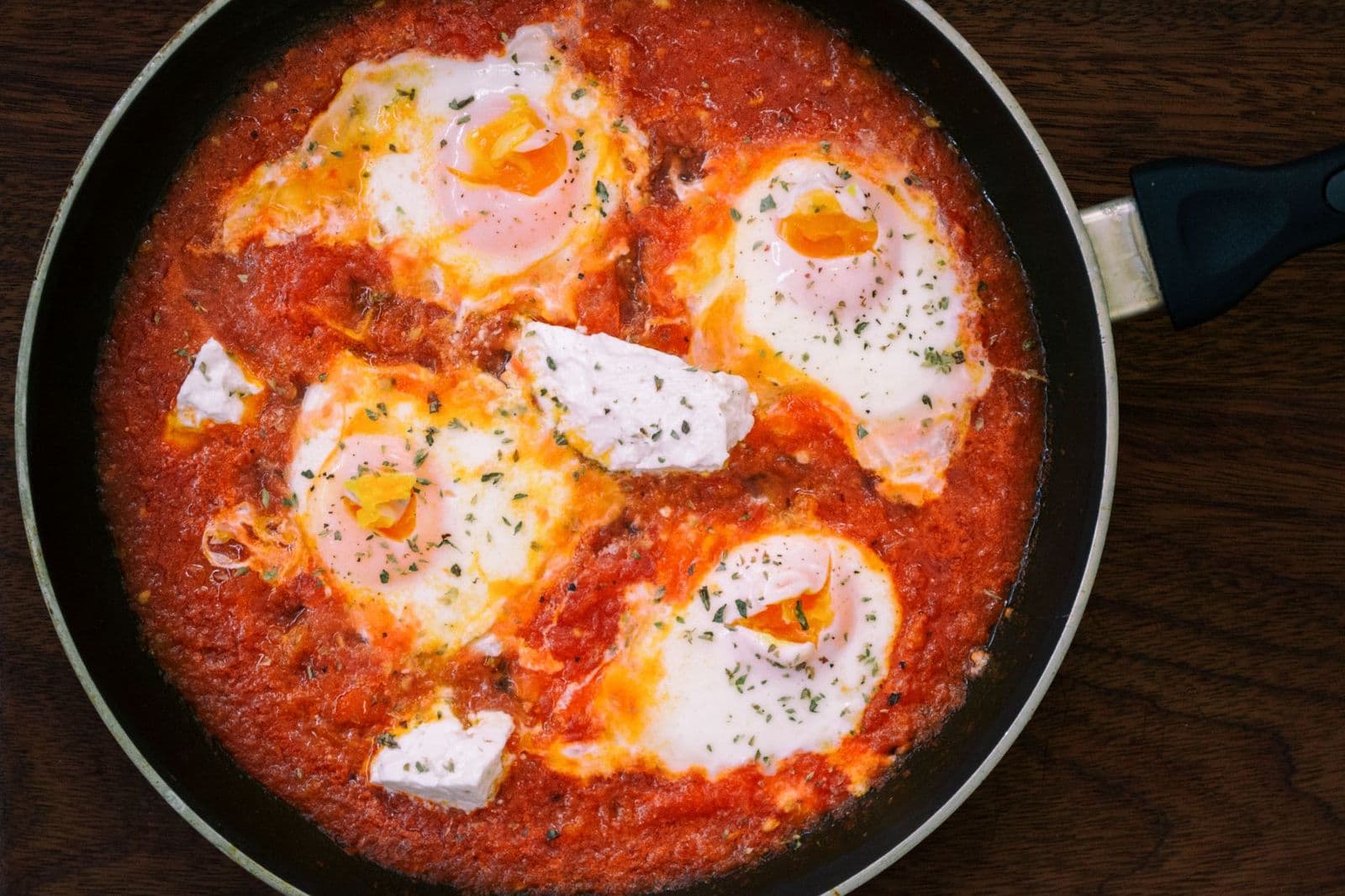
Buyer's guide
Dutch Oven vs Braiser
A dutch oven is tall and deep for soups, stews, stock, and bread; a braiser is wide and shallow for browning and one-pan meals. Buy the dutch oven first; the braiser is the coveted second piece.
Read →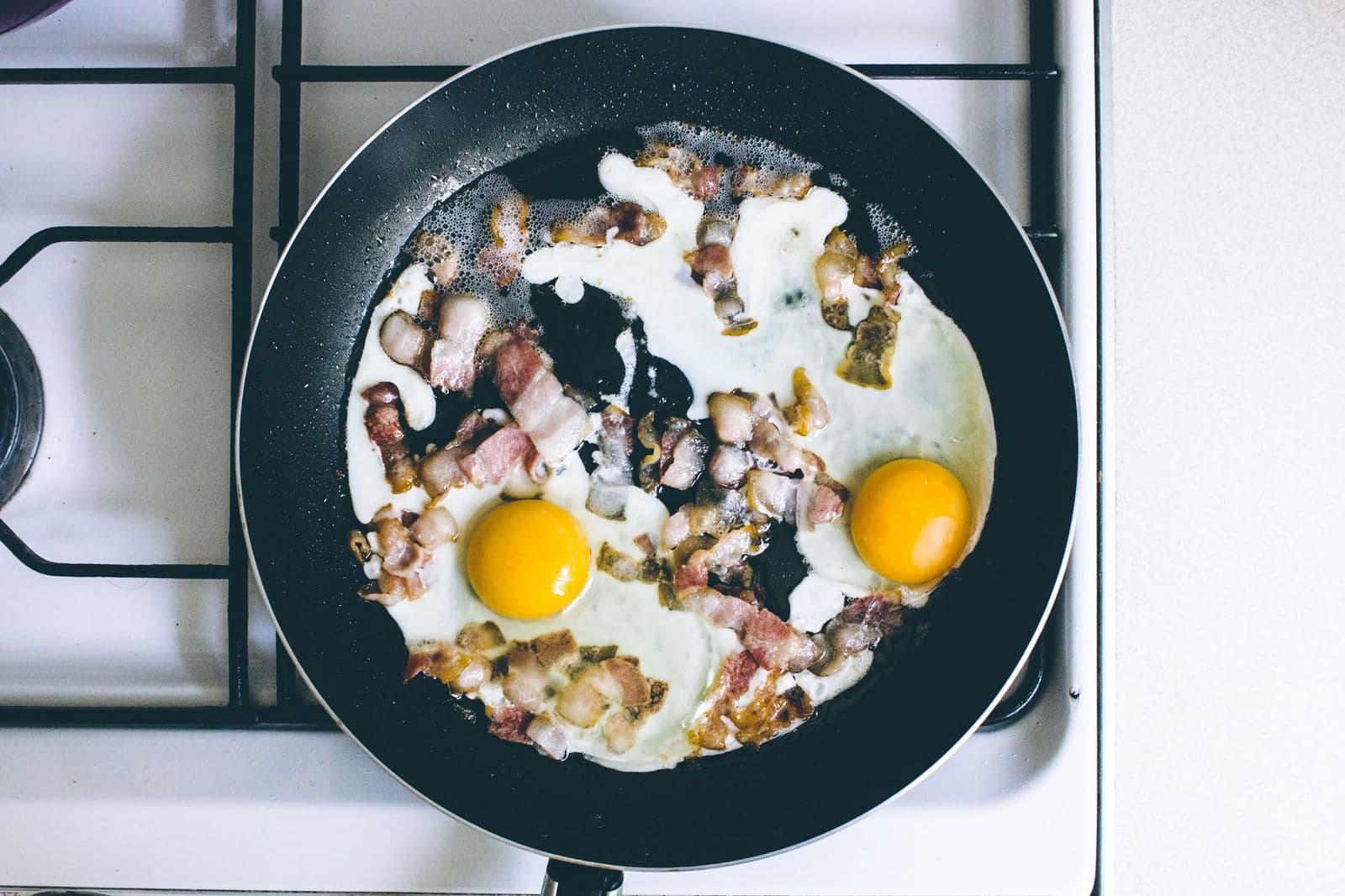
Buyer's guide
Cast Iron vs Nonstick
Cast iron sears, bakes, and lasts forever but needs care; nonstick releases delicate foods effortlessly but is a consumable that wears out. Here is what each does best and why most kitchens keep both.
Read →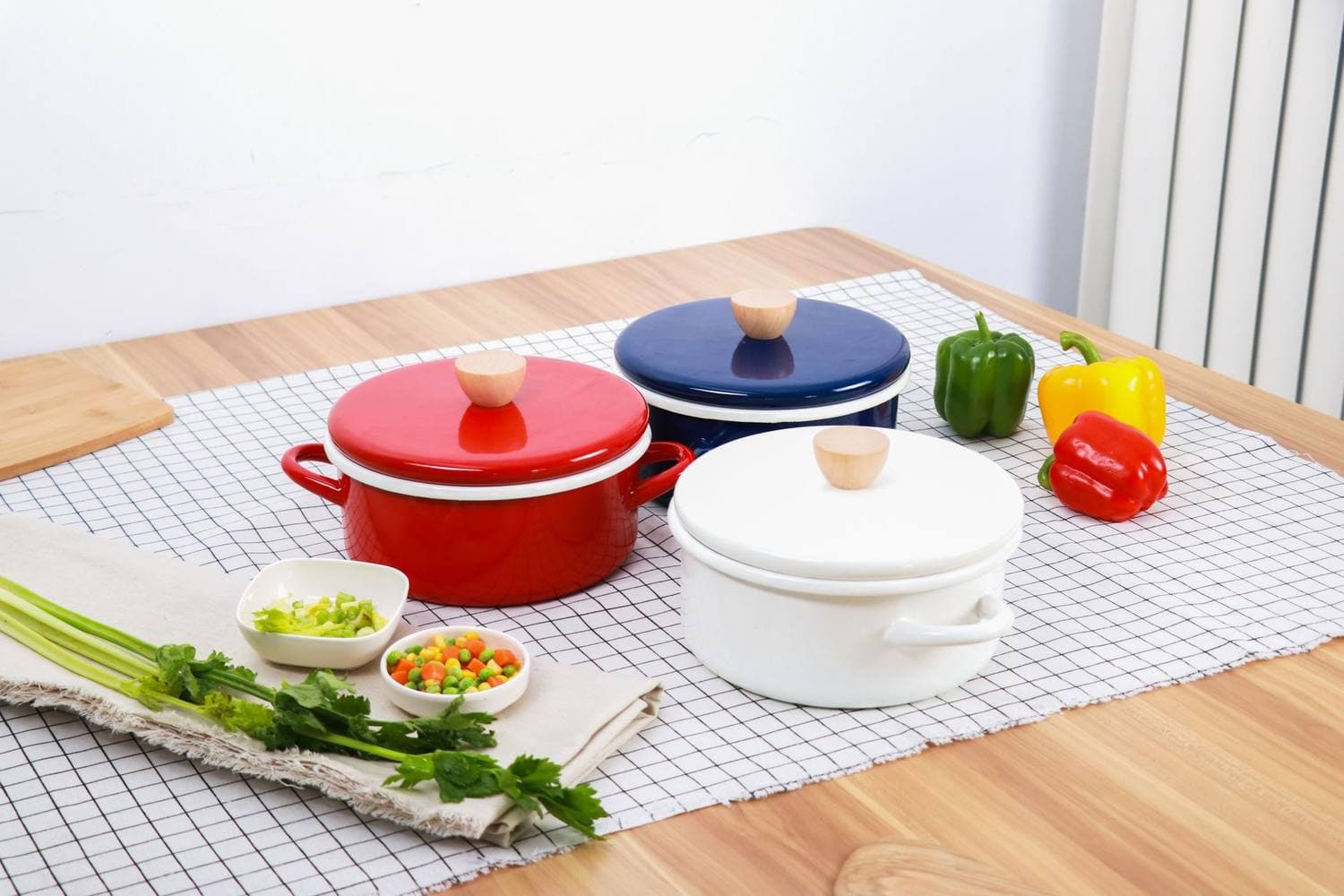
Buyer's guide
Enameled vs Bare Cast Iron
Bare cast iron seasons into a nonstick sear pan but needs care and can rust; enameled iron needs no seasoning and shrugs off acid but never truly sears. Most kitchens want a bare skillet and an enameled pot.
Read →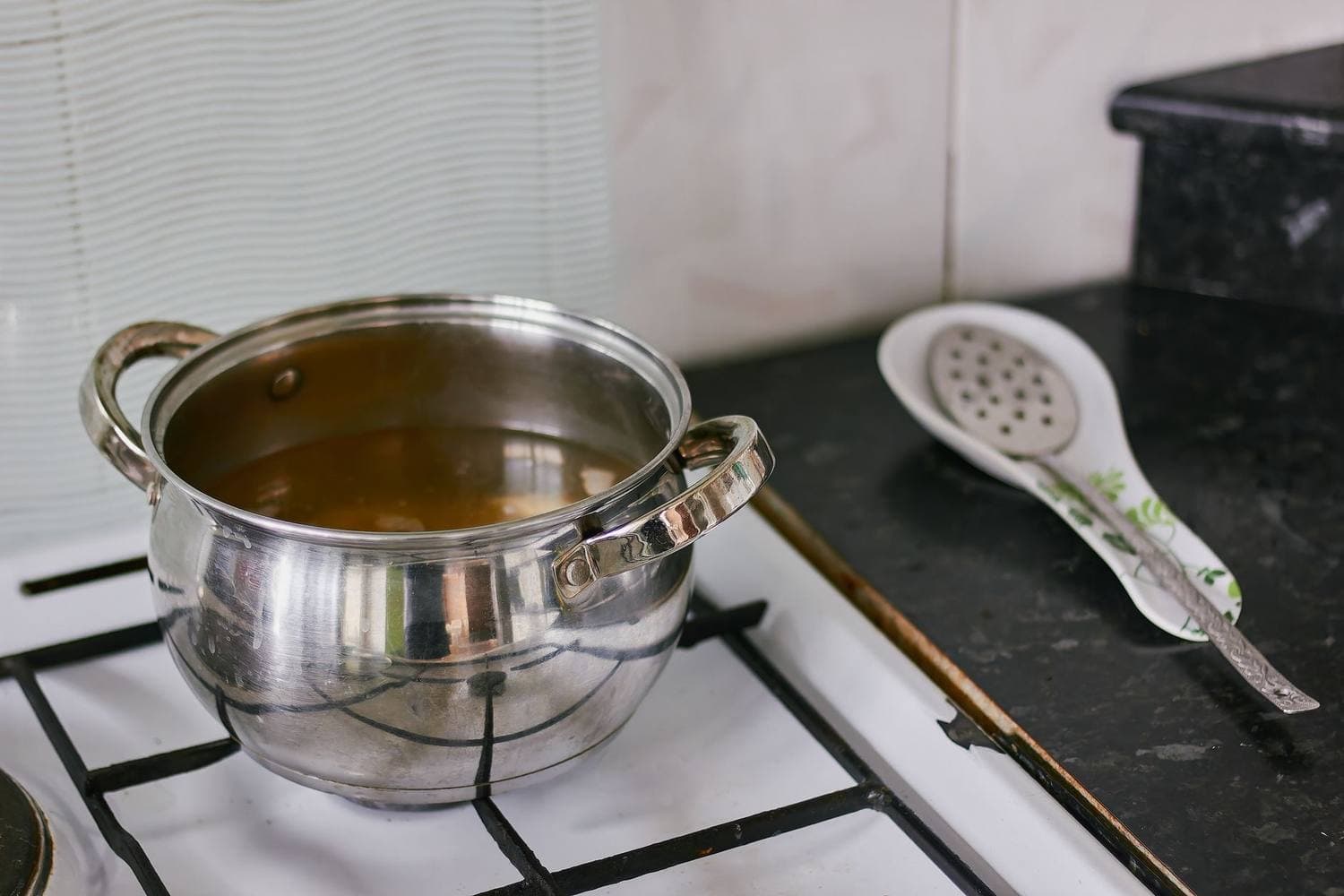
Buyer's guide
Dutch Oven vs Stock Pot
A dutch oven is heavy cast iron that sears, braises, and bakes; a stock pot is a tall, light pot built to boil big volumes of liquid — stock, pasta, canning. They complement rather than replace each other.
Read →
Buyer's guide
Cast Iron vs Cast Aluminum
Cast iron holds heat and sears but is heavy; cast aluminum is light, heats fast, and is easy to lift but loses temperature the moment food hits it. Weight versus heat retention is the whole decision.
Read →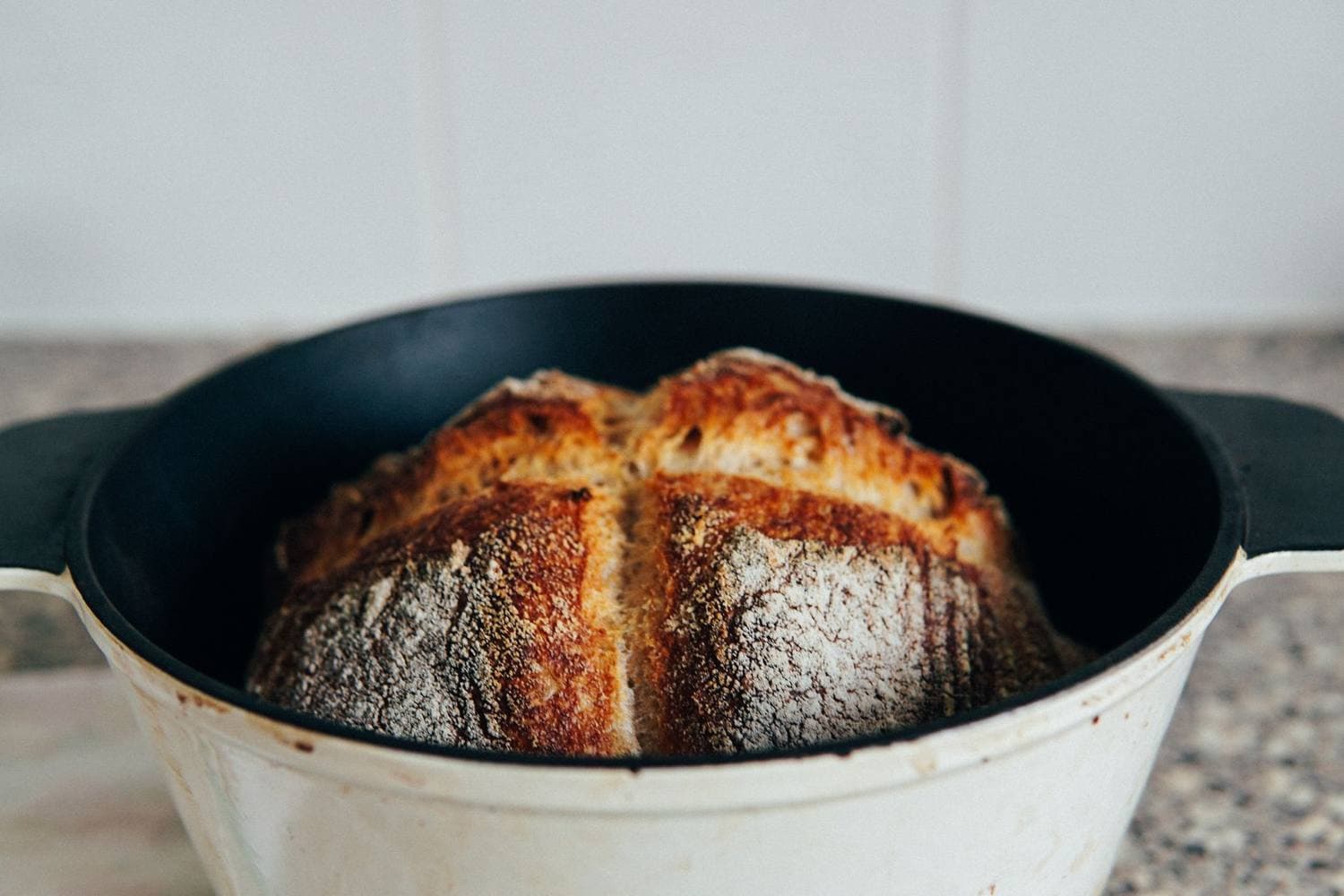
Buyer's guide
Le Creuset vs Staub
Le Creuset has a light interior that shows fond and a huge color range; Staub has a dark browning enamel and a self-basting lid. They cook nearly the same — choose on interior color and looks, not performance.
Read →
Buyer's guide
Field vs Stargazer
Field and Stargazer are both American, machined-smooth, lightweight cast iron skillets. Field is the lightest and most vintage-feeling; Stargazer has the standout ergonomic handle. Both are luxuries a seasoned Lodge nearly matches.
Read →
Buyer's guide
Cast Iron on Glass & Induction Cooktops
Cast iron works on glass-ceramic and induction cooktops — it is excellent on induction because it is magnetic. The only real risk is scratching or cracking the glass, avoided by lifting (never sliding) the pan and using medium heat.
Read →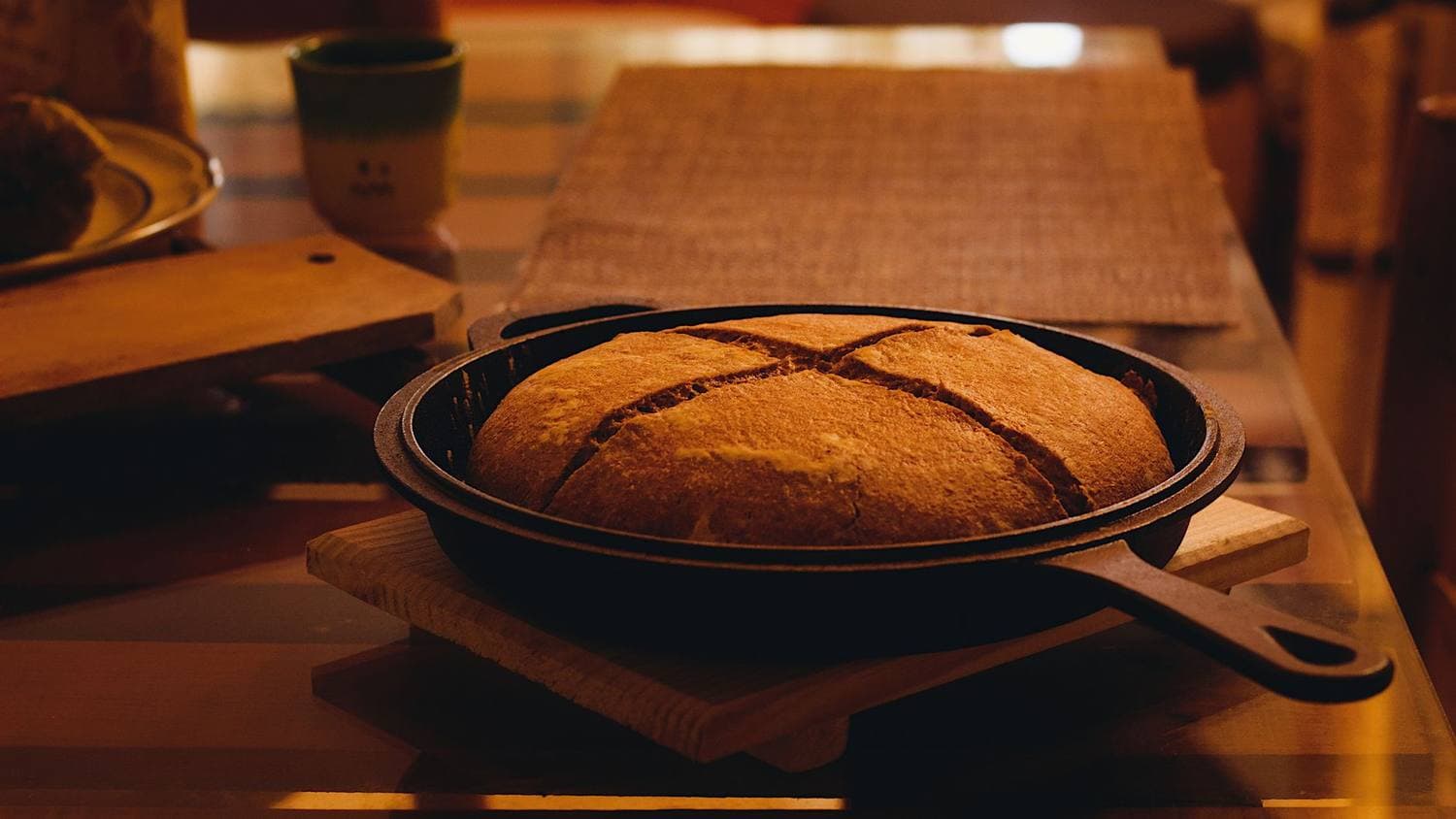
Recipe
Cast Iron Skillet Cornbread
Cast iron cornbread gets its signature crackly, buttery crust from one trick: preheating the buttered skillet screaming-hot before the batter goes in. Here is the full method and the tips that matter.
Read →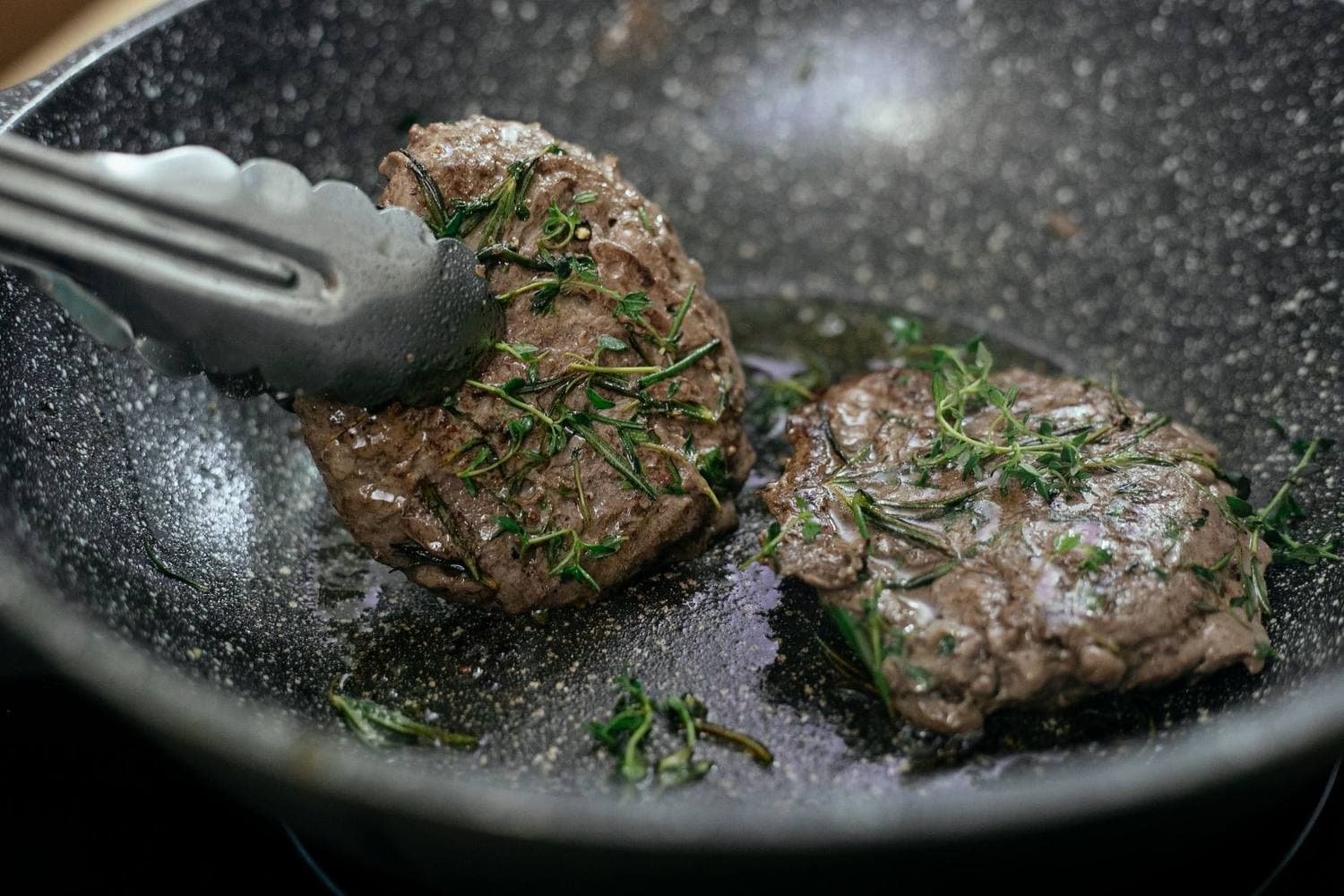
Recipe
Cast Iron Pork Chops
Juicy cast iron pork chops come from a thick chop, a hard sear in a screaming-hot skillet, a butter baste, and pulling them at 140-145F so they finish juicy, not dry. Here is the full method.
Read →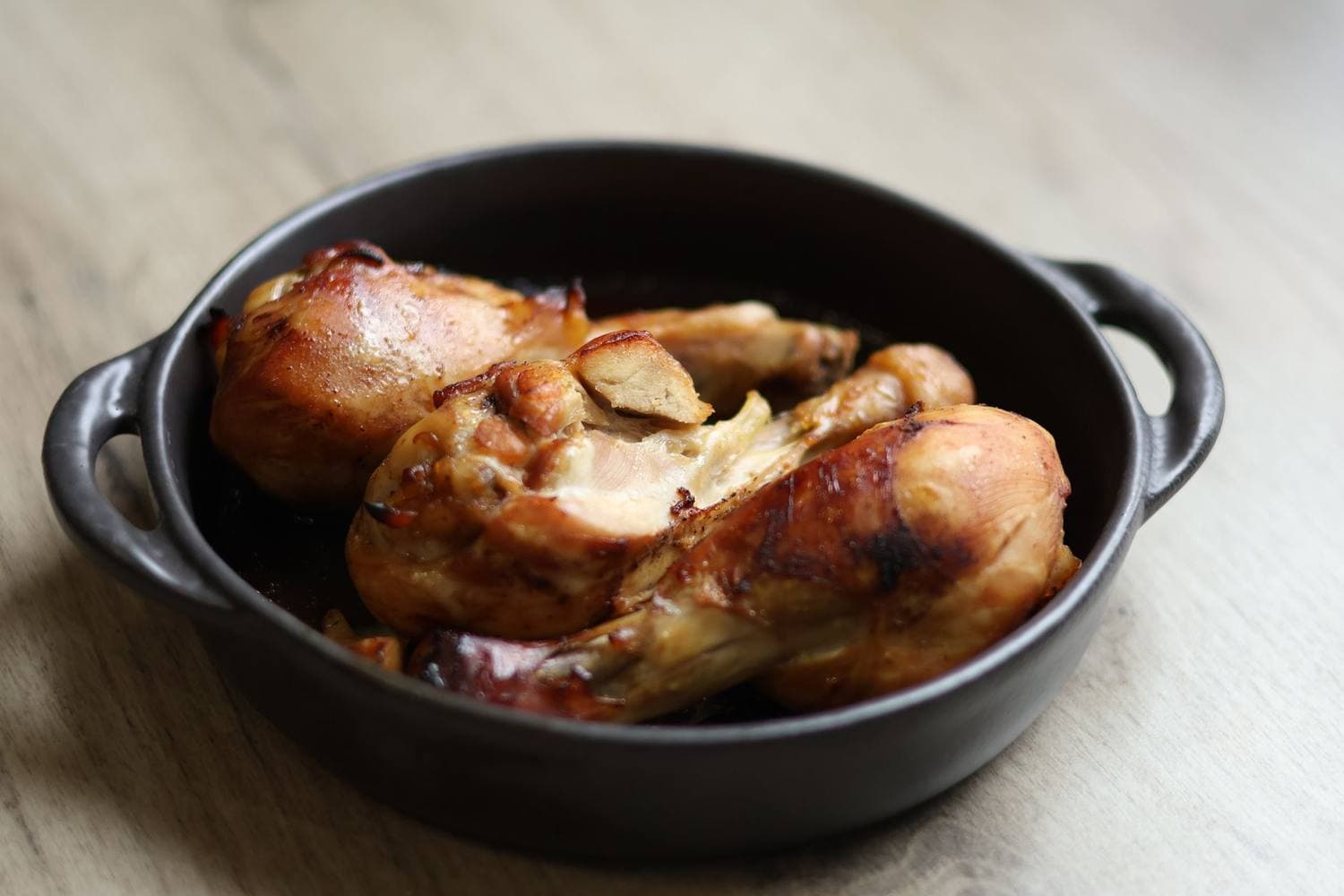
Recipe
Cast Iron Roast Chicken
Cast iron roast chicken gets crackling skin from a dry-brine and a preheated skillet, and juicy meat from pulling it at 165F. The heavy pan conducts fierce heat into the bird and catches the drippings.
Read →
Head to head
Smithey vs Field
Smithey and Field both machine their skillets smooth, but Smithey is heavy with a mirror-polished interior while Field casts thin and light in the vintage Griswold mold. Both are premium luxuries a seasoned Lodge nearly matches.
Read →
Head to head
Dutch Oven vs Cast Iron Skillet
A skillet sears, fries and does everyday cooking; a dutch oven braises, simmers and bakes bread. Most people should buy the skillet first, then add a dutch oven. Here is how they overlap and complement.
Read →
Head to head
Cast Iron vs Ceramic Cookware
Ceramic names two different things: a thin sol-gel nonstick coating on light aluminum, and enameled cast iron. Cast iron wins on durability, heat and searing; a light ceramic nonstick pan wins on weight and gentle egg cookery.
Read →
Head to head
Dutch Oven vs Cocotte
A cocotte is simply the French name for a dutch oven — the same heavy lidded pot. Staub markets its pots as cocottes. Any real difference is branding, self-basting spiked lids, and small oval mini cocottes. Do not overthink the label.
Read →
Buyer's guide
The Best Cast Iron Skillet Brands
A map of the cast iron brands: Lodge the value default, Le Creuset and Staub the enameled icons, Stargazer, Field and Smithey the premium machined-smooth smiths, Victoria and Tramontina on budget, and vintage Griswold for collectors.
Read →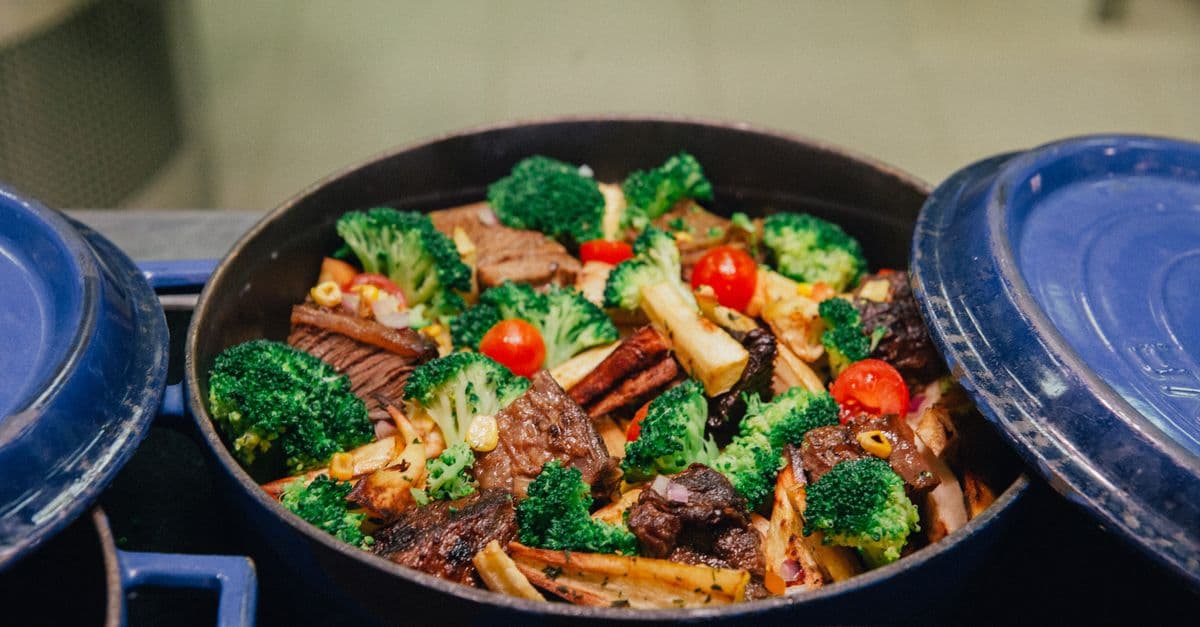
Head to head
Dutch Oven vs Casserole Dish
A dutch oven is a heavy, lidded pot that sears on the stovetop and braises, boils, deep-fries, and bakes bread in the oven, all in one vessel that lasts a lifetime. A casserole dish is a wide, shallow oven-only baking dish, usually glass or ceramic, built for lasagna, gratins, and layered bakes that need a big top surface. They barely overlap, so most cooks keep both.
Read →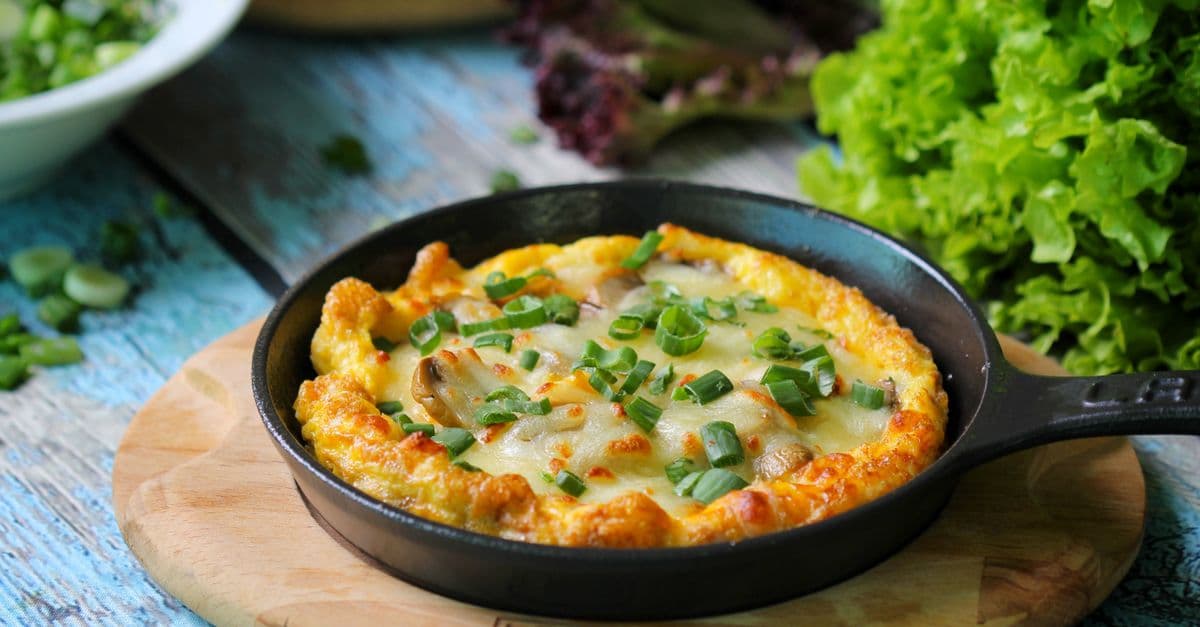
Recipe
Cast Iron Skillet Pizza
Cast iron skillet pizza gives you the crispy, fried bottom a home oven struggles to produce. Preheat the pan, build the pie, start it on the stovetop, then finish hot under the broiler. Here is the full method.
Read →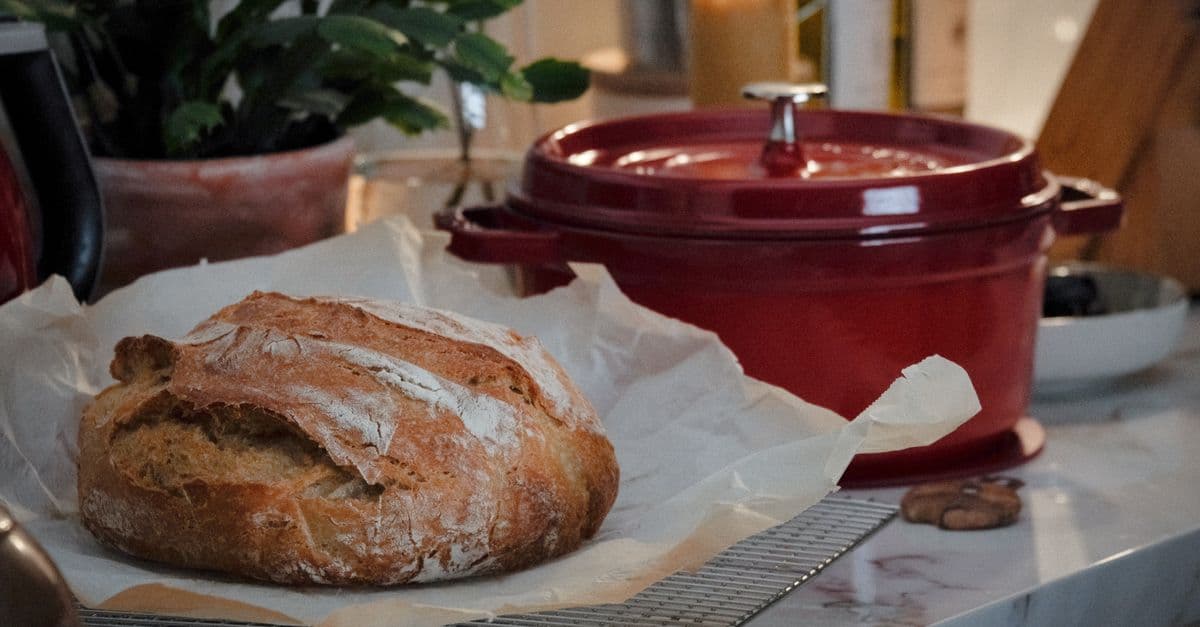
Recipe
No-Knead Dutch Oven Bread
No-knead dutch oven bread is the easiest way to a crackly artisan loaf: a long slow ferment builds flavor, and a preheated covered pot traps steam for a dramatic rise before you uncover it to brown. Here is the full method.
Read →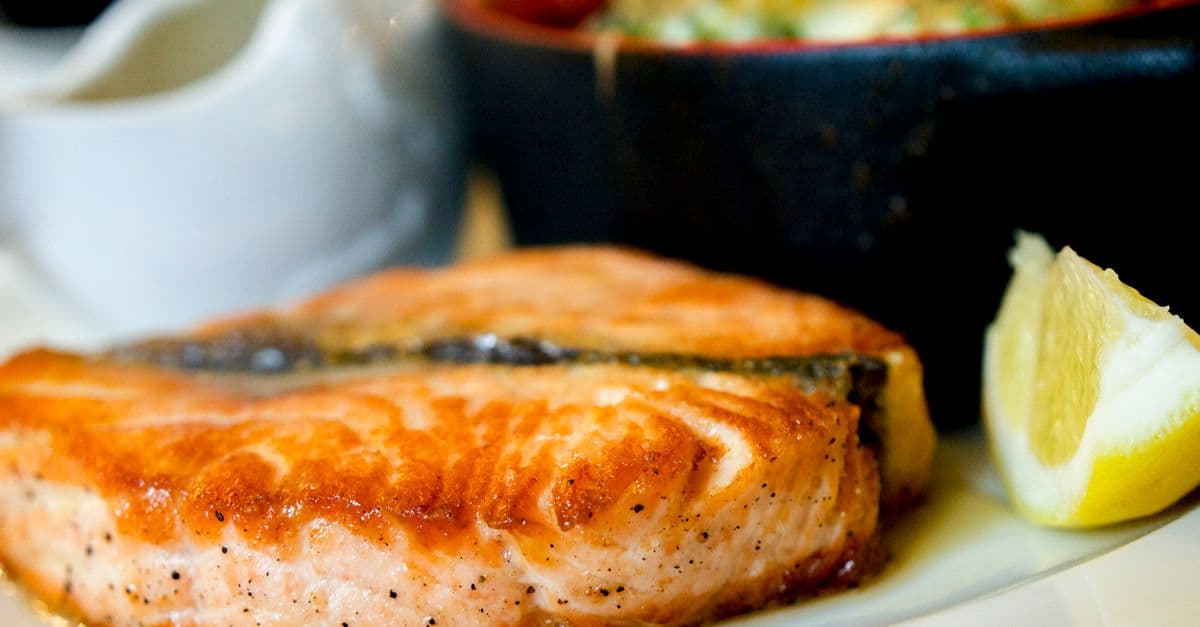
Recipe
Crispy-Skin Cast Iron Salmon
Crispy-skin cast iron salmon comes down to a dry fillet, a hot oiled pan, and cooking it mostly skin-side down with a press before a quick flip. Pull it at 145F. Here is the full restaurant-style method.
Read →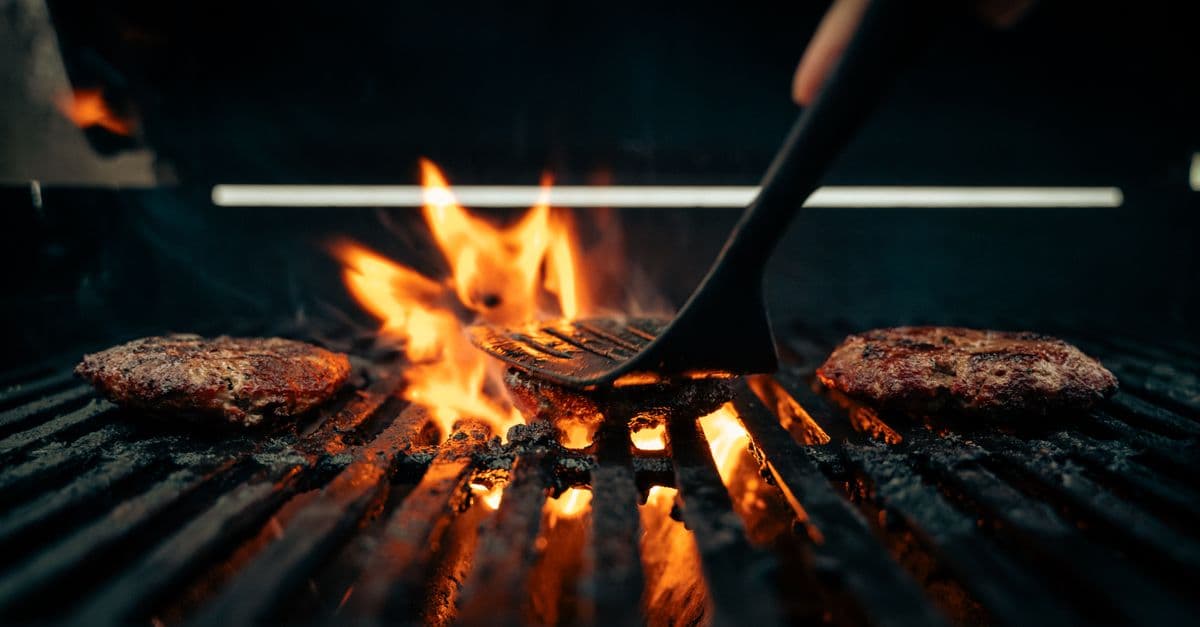
Recipe
Cast Iron Smash Burgers
Cast iron smash burgers are all about crust: get the pan or griddle screaming hot, smash a loose ball of beef thin so maximum surface browns, flip once, add cheese, and cook to 160F. Here is the full method.
Read →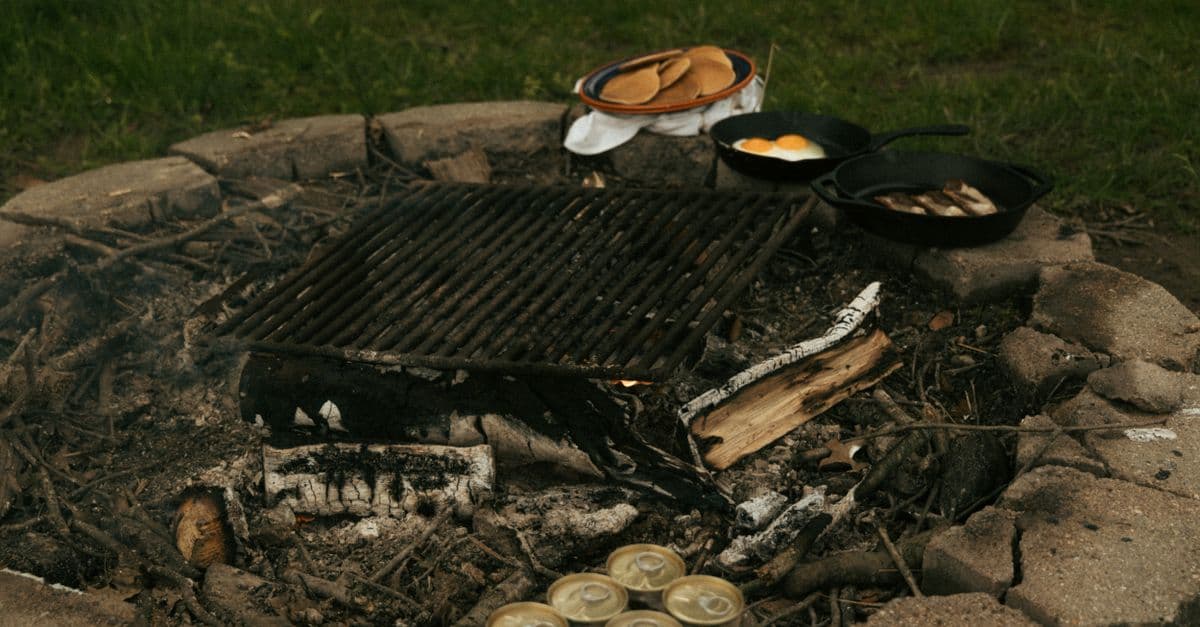
Recipe
How to Cook Bacon in Cast Iron
The secret to even, crisp cast iron bacon is slow rendering: start the strips in a cold pan (or bake them in the oven) so the fat comes out gradually and the bacon stays flat. Plus how to save the fat and clean up.
Read →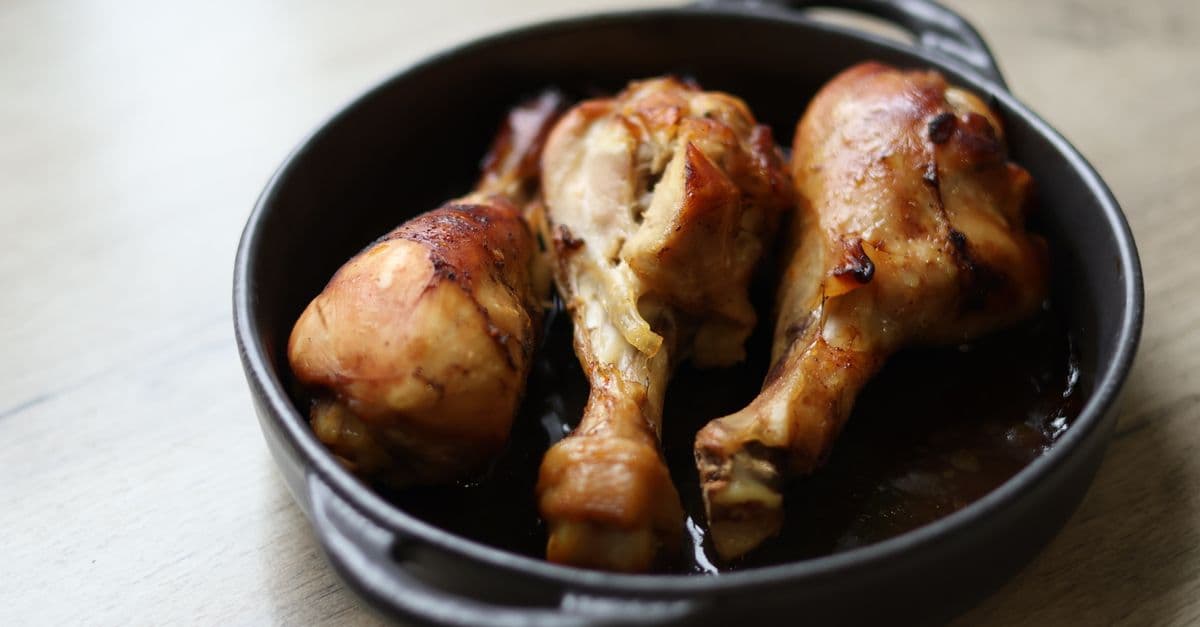
Recipe
Crispy Cast Iron Chicken Thighs
Crispy cast iron chicken thighs come from rendering the skin hard, skin-side down, then finishing in the oven and pulling them at 165F. Here is the full stove-to-oven method, plus bone-in vs boneless.
Read →Recipe
Dutch Oven Pot Roast
Dutch oven pot roast is the classic braise: sear a chuck roast hard for flavor, build a braise with onions, carrots and liquid, then cover and cook it low and slow until it falls apart. Here is the full method.
Read →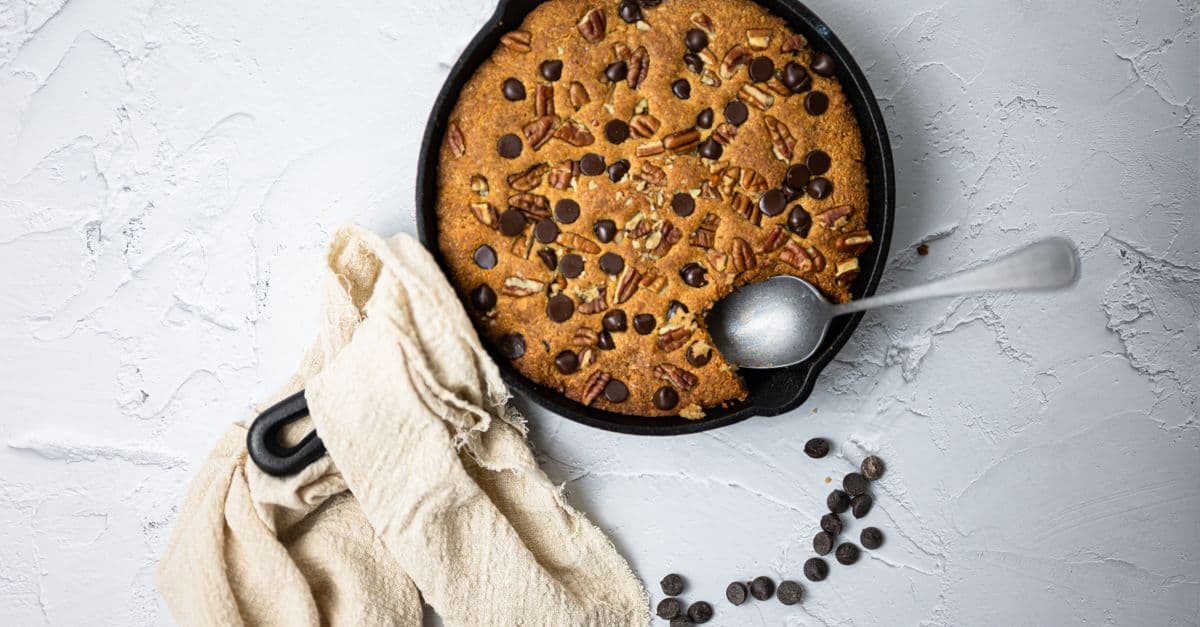
Recipe
Cast Iron Skillet Cookie
A cast iron skillet cookie (or pizookie) is one giant chocolate-chip cookie baked in the pan: crisp edges, a molten gooey center from the skillet's retained heat, and served warm with ice cream. Here is the recipe.
Read →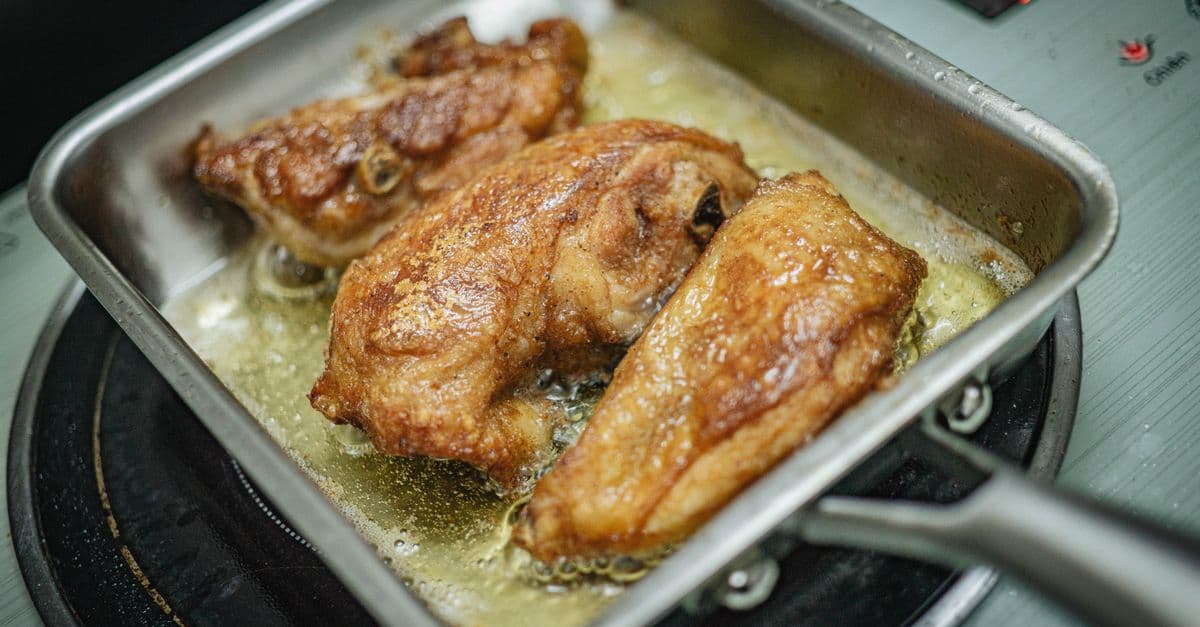
Recipe
Cast Iron Fried Chicken
Classic cast iron fried chicken: brine in buttermilk, dredge in seasoned flour, and fry in a deep skillet or dutch oven. Cast iron holds the oil temperature steady near 325F; fry until the chicken reaches 165F inside.
Read →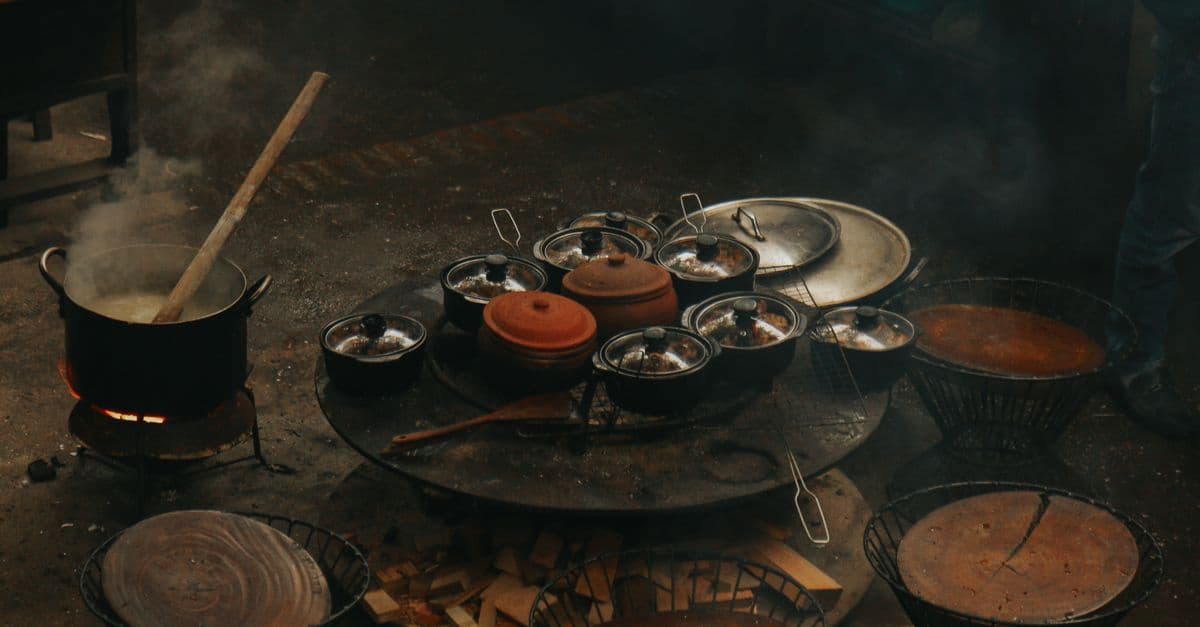
Recipe
Dutch Oven Chili
Big-batch dutch oven chili: brown the meat for flavor, bloom the spices in the fat, then simmer low and slow. Because chili is a long, acidic tomato simmer, reach for an enameled pot over bare cast iron. Full recipe inside.
Read →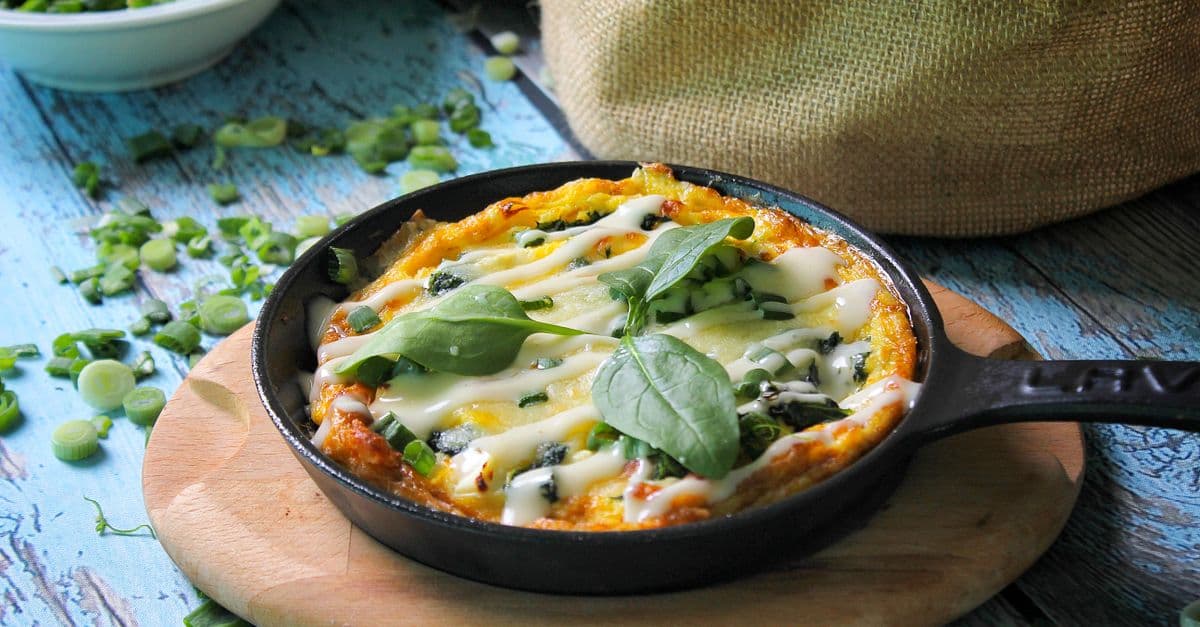
Recipe
Cast Iron Frittata
A cast iron frittata is the easiest one-pan egg dish: soften the fillings, add beaten eggs, set it on the stove, then finish it in the oven. A well-seasoned skillet releases it cleanly; cook the eggs through to 160F.
Read →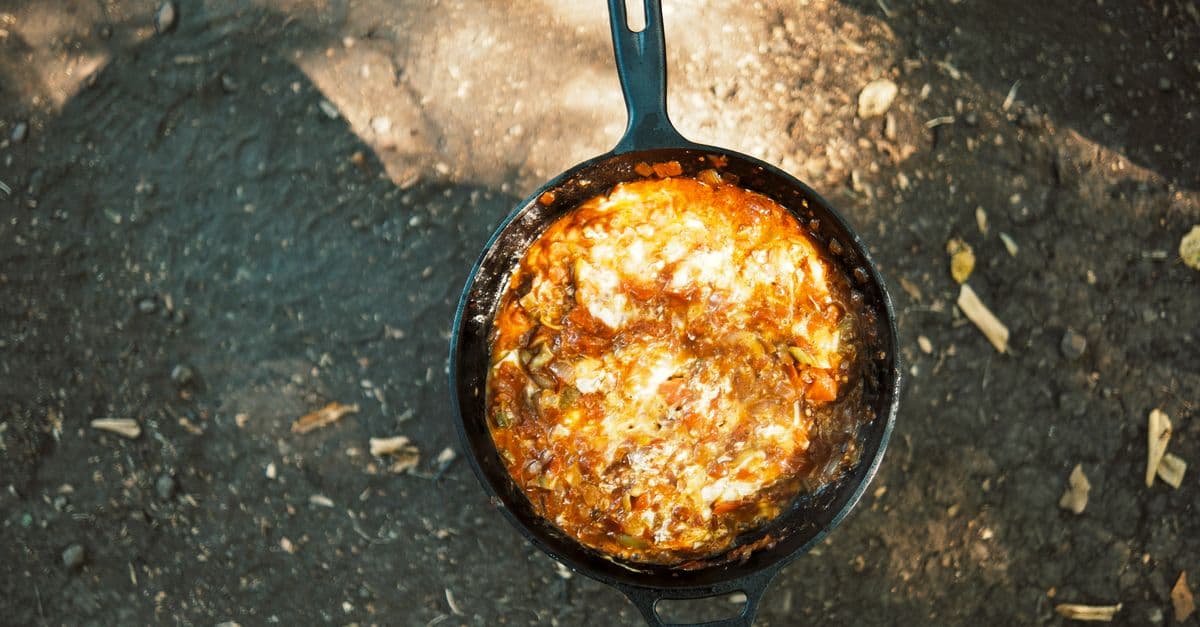
Buyer's guide
How to Buy Vintage Cast Iron
A beginner's guide to buying vintage cast iron: why old Griswold and Wagner pans are prized for their smooth, lighter castings, how to inspect for cracks and warping, how to read maker's marks, and the modern smooth-pan alternatives.
Read →Head to head
Carbon Steel vs Stainless Steel
Carbon steel is reactive seasoned iron that sears hard and turns naturally nonstick but needs care and can rust. Stainless is nonreactive, dishwasher-safe and never seasoned, but food sticks more. Which wins depends on how much upkeep you will accept.
Read →Buyer's guide
Carbon Steel vs Nonstick
Nonstick delivers effortless egg release and easy cleanup but wears out in a few years and cannot brown or take high heat. Carbon steel seasons into a durable, near-nonstick surface that sears and lasts a lifetime, at the cost of a little care.
Read →Buyer's guide
Enameled Cast Iron vs Stainless Steel
Enameled cast iron is a heavy, nonreactive, glass-lined pot that holds heat for braises, soups and bread. Stainless is light, responsive and nonreactive for quick stovetop cooking and pan sauces. They complement each other more than they compete.
Read →Buyer's guide
Is Le Creuset Worth It?
For pure cooking, a budget enameled pot braises almost identically for a fraction of the price. The Le Creuset premium buys harder enamel, bigger handles, a higher knob rating, a lifetime warranty and real resale value — not a better braise.
Read →Buyer's guide
Is Staub Worth It?
Staub's matte black enamel browns well and hides marks, its spiked lid self-bastes, and it is made in France. For the braise itself a budget pot comes close — the premium buys the dark enamel, the lid, durability and the object.
Read →
Buyer's guide
Are Expensive Dutch Ovens Worth It?
Budget, mid and premium dutch ovens all braise closely, because the iron does the cooking. The extra money buys harder enamel, better handles, a lifetime warranty, resale value and looks. The one spec worth paying for is a high knob heat rating for bread.
Read →Buyer's guide
Dutch Oven vs French Oven
A French oven is the same heavy lidded pot as a dutch oven. The name usually just signals an enameled (rather than bare) pot from a French maker like Le Creuset. There is no real cooking difference. Buy on size, material and price.
Read →Head to head
Wagner vs Griswold
Wagner and Griswold are the two great pre-war American foundries, both making thin, smooth, machined iron. Griswold is generally the more collectible and valuable; Wagner is a strong, often more affordable vintage buy. For cooking alone, a seasoned modern pan keeps up.
Read →Buyer's guide
Enameled Cast Iron vs Nonstick
Enameled cast iron is a heavy, nonreactive, glass-lined pot that browns and braises and lasts a lifetime, though food can stick without fat. Nonstick releases eggs effortlessly and cleans in a wipe but wears out in a few years and cannot brown or take high heat.
Read →Head to head
Enameled Cast Iron vs Ceramic Cookware
Enameled cast iron is heavy iron lined with fused glass that browns, braises, and lasts a lifetime. Ceramic cookware is usually light aluminum with a sprayed sol-gel coating that starts slick, heats fast, and loses its nonstick within a year or two. For a lifetime braiser, buy enameled iron.
Read →Head to head
Round vs Oval Dutch Oven
Round is the default: it heats evenly over a round burner, bakes a proper boule, and fits your stovetop. Oval is a specialist shape for a long roast, a whole chicken or a rack of ribs, at the cost of even heating and burner fit. Buy round unless you cook long cuts often.
Read →Head to head
5-Quart vs 7-Quart Dutch Oven
The roughly 5.5-quart pot is the everyday sweet spot for a family of four: a stew, a chicken, a standard boule. It is lighter and easier to store. A 7-quart is for batch cooking, big roasts, and entertaining, but it is heavier, slower to heat, and often too big for a weeknight. Most homes want 5.5 to 6.
Read →
Buyer's guide
Is Smithey Worth It?
For the cooking alone, a Lodge matches it and costs a fraction of the price. Smithey's premium buys a mirror-polished machined surface, a lighter well-balanced pan and American craft, sold direct rather than reliably on Amazon.
Read →Buyer's guide
Is Stargazer Worth It?
For the sear, a Lodge matches it for far less. Stargazer's premium buys a CNC-machined smooth surface, a genuinely better handle, a lighter thinner casting and easy Amazon availability. It is the most sensible boutique buy.
Read →Head to head
Lodge vs Field
Lodge is the pebbly, heavy, near-unkillable workhorse for around twenty-five dollars. Field is a thin, machined-smooth, small-batch American jewel for many times the price. The sear is the same; Field buys finish and lightness, not better cooking.
Read →Head to head
Stargazer vs Smithey
Stargazer is CNC-machined smooth with the best handle in cast iron, lighter, easy to buy on Amazon and usually cheaper. Smithey is mirror-polished, heavier, sold direct and the more jewel-like object. Both are made in the USA and sear the same.
Read →Buyer's guide
Is Field Company Worth It?
For cooking alone, a Lodge matches it. Field's premium buys a light, machined-smooth, American-made pan and small-batch craft, not a better sear. The tiny No. 6 suits one to two servings.
Read →Buyer's guide
Is Finex Worth It?
For the sear a Lodge matches it. Finex's premium buys the patented octagonal shape, a coiled spring handle, a finer surface and USA build, not better cooking. It is heavy, the opposite of a light Field.
Read →Head to head
Lodge vs Smithey
Lodge is the pebbly, heavy, near-unkillable workhorse for around twenty-five dollars. Smithey is a mirror-polished, heavier premium heirloom sold direct for many times the price. The sear is identical; Smithey buys finish and craft, not better cooking.
Read →Head to head
Lodge vs Stargazer
Lodge is the pebbly, heavy, near-unkillable workhorse for around twenty-five dollars. Stargazer is a lighter, thinner, CNC-machined pan with a genuinely better handle, made in the USA and easy to buy on Amazon. The sear is the same; Stargazer buys a smoother surface and a nicer handle.
Read →Buyer's guide
Cast Iron vs Hard-Anodized Aluminum
Cast iron is heavy, sears hard, takes any oven temperature, and lasts a lifetime, but it needs seasoning and care. Hard-anodized aluminum is light, heats fast and evenly, and is easy to clean, but its nonstick coating wears out in a few years and it cannot brown or take very high heat. Different tools.
Read →Head to head
Dutch Oven vs Instant Pot
A Dutch oven is a heavy iron pot that browns deeply, braises with rich flavor, bakes bread, and lasts a lifetime, but it is slow and hands-on. An Instant Pot is an electric multicooker that pressure-cooks tough cuts and beans fast and hands-off, but it steams rather than browns, has electronics that can fail, and cannot bake bread or go in the oven. They complement each other.
Read →Buyer's guide
Cast Iron Grill Pan vs Griddle
A cast iron grill pan has a ridged surface that gives grill marks and lets fat drain away, best for steaks, chops, and vegetables. A griddle is flat, giving full food-to-metal contact and more browning surface, best for smash burgers, pancakes, bacon, eggs, and grilled cheese. Many cooks want both, and a reversible pan puts one on each side.
Read →Head to head
Combo Cooker vs Dutch Oven
A combo cooker is a shallow bare cast iron dutch oven whose deep lid doubles as a skillet, and bread bakers love it for easy loading and scoring. A dutch oven is deeper and more versatile for braises and big batches.
Read →Buyer's guide
Why Use Cast Iron Over Stainless Steel?
The honest case for cast iron over stainless steel - heat retention and sear, a seasoning-nonstick surface, low price and a lifetime lifespan - balanced against the jobs, from acidic sauces to delicate fish, where stainless still wins.
Read →Buyer's guide
Carbon Steel vs Cast Iron Griddle
Carbon steel and cast iron griddles both season and sear - cast iron holds more heat for a steady flat-top, carbon steel is lighter and reacts faster. Which to buy for pancakes, smash burgers and breakfast.
Read →
Buyer's guide
Is Nitrided Cast Iron Worth It?
Nitriding hardens the surface of iron and carbon steel so it resists rust and needs little seasoning upkeep. What it genuinely changes, what buildable slickness you trade away, and when the finish is worth seeking out.
Read →How-to
How to Sear in Cast Iron
The searing method that makes cast iron worth owning - a proper preheat, a dry surface on the food, room in the pan, and the patience to leave it until the crust forms and releases on its own.
Read →How-to
How to Bake Bread in a Dutch Oven
The dutch-oven bread method - preheat the pot screaming-hot, bake lid-on so the loaf's own steam sets a blistered crust, then lid-off to brown. Why it works, and how to load the dough safely.
Read →How-to
How to Cook on a Cast Iron Griddle
Cooking on a cast iron griddle - preheating the big flat surface evenly, setting up hot and cool zones, and the foods it does best: pancakes, eggs, bacon, smash burgers and quesadillas, all at once.
Read →Buyer's guide
What Is Carbon Steel?
Carbon steel is iron alloyed with a small amount of carbon and formed into thin, light pans. Like bare cast iron it is raw metal you season with polymerized oil, so it becomes naturally slick and lasts for decades; unlike cast iron it is thin and light, so it heats fast and responds quickly, which is why chefs and wok cooks favor it. It is the middle ground between a heavy cast iron skillet and a stainless pan.
Read →Head to head
Cast Iron vs Copper Cookware
Cast iron is inexpensive, heavy raw iron that heats slowly and holds a steady temperature for a long time, ideal for searing and braising. Copper is the most responsive cookware metal there is, changing temperature the instant you adjust the flame, which is why it prizes precision sauce work, but it is expensive, high-maintenance, and must be lined with another metal. For most home cooks, cast iron delivers far more cooking per dollar.
Read →Head to head
Carbon Steel vs Enameled Cast Iron
Carbon steel is thin, light, seasoned iron for high, quick, stovetop heat, searing, sautéing, and woks. Enameled cast iron is heavy iron coated in glass that needs no seasoning, shrugs off acidic braises, and holds a low, even heat for hours in a Dutch oven. They do not overlap much: carbon steel is a fast pan, enameled cast iron is a slow pot. Most serious kitchens end up with one of each.
Read →Head to head
Cast Iron vs Stainless Steel Grill Grates
Cast iron grill grates hold huge heat and sear the hardest, laying down deep grill marks, but they need seasoning and can rust if left wet outdoors. Stainless steel grates are lighter, resist rust, and shrug off the weather with almost no care, though they mark food a little less aggressively. Sear-chasers who maintain their grill lean cast iron; anyone who wants to grill and walk away leans stainless.
Read →Buyer's guide
Is Lodge Cast Iron Worth It?
Lodge is the best value in cookware, full stop: an American-made, pre-seasoned cast iron skillet for around twenty-five dollars that will outlast everything else in your kitchen. The low price costs you a pebbly (not machined-smooth) surface and standard cast iron weight, both of which fade as reasons over time. Unless you specifically want a lighter, glass-smooth boutique pan or a French enamel heirloom, Lodge is the right buy.
Read →
Buyer's guide
Is Tramontina Worth It?
Tramontina makes a well-regarded budget enameled cast iron Dutch oven, often sold through warehouse clubs, that delivers most of a Le Creuset's day-to-day cooking for a fraction of the price. What you give up is the harder, prettier enamel, the plush handles, the lifetime warranty, and the resale value of the French pots. For a value buyer who wants a real enameled Dutch oven that cooks beautifully, it is absolutely worth it.
Read →Buyer's guide
Is Cast Iron Worth It?
For most home cooks cast iron is well worth it: a good skillet costs little, lasts for generations, sears and bakes like nothing else, and gets slicker the more you use it instead of wearing out like nonstick. The honest costs are its weight, a small learning curve around seasoning and drying, and the fact that it is poor for long acidic cooking. If you want one durable, versatile, buy-once pan and do not mind the weight, the answer is yes.
Read →Head to head
Lodge vs Le Creuset vs Staub
For enameled Dutch ovens the three names are Lodge, Le Creuset, and Staub. Lodge is the value pot: most of the cooking for roughly a third of the price. Le Creuset is the plush icon, with a light interior, big handles, endless colors, and a lifetime warranty. Staub is the browning champion, with a dark matte interior and a self-basting lid that many cooks prefer for braises. All three cook wonderfully; the choice is budget, looks, and priorities.
Read →Buyer's guide
What Is a Braiser?
A braiser is a wide, shallow, lidded pan — most often enameled cast iron — designed to sear food and then braise it in the same vessel. Its big flat bottom browns a whole batch at once and its low sides suit a single layer of chicken thighs, chops, or short ribs simmering in a little liquid. It is a specialist: brilliant at braises and one-pan meals, but it holds less liquid than a Dutch oven, so a deep pot is the better single buy.
Read →Buyer's guide
What Is Enameled Cast Iron?
Enameled cast iron is ordinary cast iron coated in vitreous enamel — a hard glass fused to the metal. That coating means no seasoning, no rust, no reaction with acidic food, and easy cleanup, plus a range of colors. The trade-offs are that it can chip if dropped or banged, it is not as slick as a well-seasoned bare pan for eggs, it dislikes very high empty-pan heat and thermal shock, and it costs more. It is the material behind most Dutch ovens and braisers.
Read →Head to head
Bare vs Enameled Dutch Oven
A bare cast iron Dutch oven is inexpensive, takes seasoning, and is the best tool for high-heat bread and searing — but it needs care and dislikes long acidic braises. An enameled Dutch oven needs no seasoning, handles tomato and wine braises freely, and cleans up easily, at a higher price and with a coating that can chip. For most people buying one pot, enameled is the easier, more versatile choice; bread bakers are the main reason to choose bare.
Read →How-to
How to Braise in a Dutch Oven
Braising means searing food hard, then cooking it low and slow in a little liquid under a lid until it turns tender. A Dutch oven is ideal because it browns on the stovetop and holds a steady, even heat in the oven. The method: pat dry and sear in batches, build a flavor base with aromatics, deglaze, add liquid only partway up the food, cover, and cook low (around 300°F) until fork-tender. It is the technique behind pot roast, short ribs, and stew.
Read →Head to head
Cast Iron vs Carbon Steel vs Stainless Steel
Cast iron and carbon steel are the same seasoned iron in two thicknesses; stainless is an inert alloy you never season. Most kitchens want a cast-iron pan and a stainless pan as the core, with carbon steel as the lighter iron for stovetop cooks. Here is which to buy, and when.
Read →Buyer's guide
Cast Iron vs Wrought Iron
Wrought iron has not been produced commercially since 1973, so nothing on a shelf today is wrought iron — the gates and railings sold under the name are mild steel. If you are shopping for a pan, your real choice is cast iron vs carbon steel.
Read →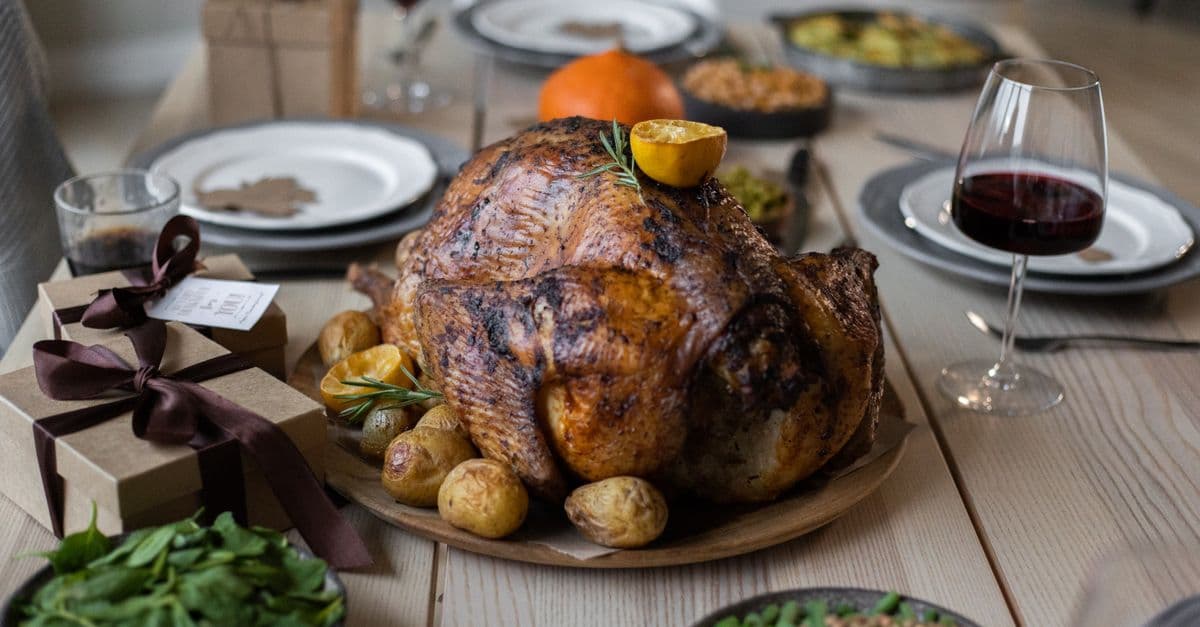
Recipe
Cast Iron Turkey Breast: The Small-Table Holiday Roast
A bone-in turkey breast roasted in a 12-inch cast iron skillet: dry brine a day ahead, roast hot, pull at the USDA-safe 165F, and build the gravy in the same pan. Feeds four to six without a twenty-pound bird.
Read →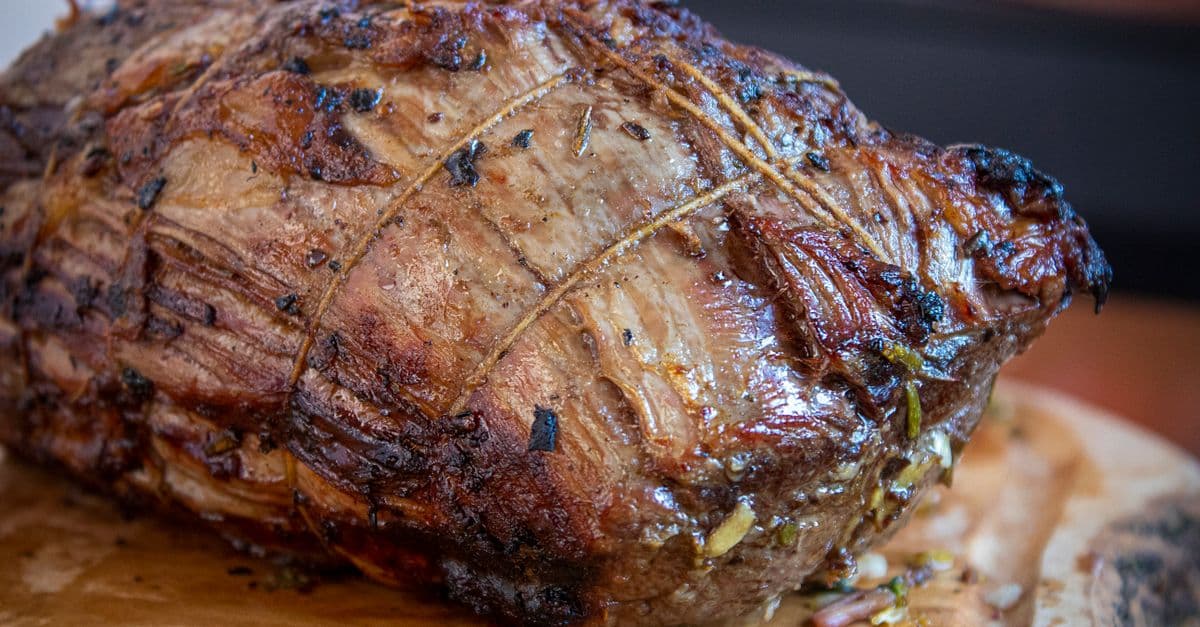
Recipe
Cast Iron Prime Rib: Low Oven First, Hard Sear Last
Reverse-sear a standing rib roast: salt it a day ahead, roast it low until the center hits your target, then finish it in a screaming cast iron skillet. An even interior edge to edge, and a crust the oven alone cannot build.
Read →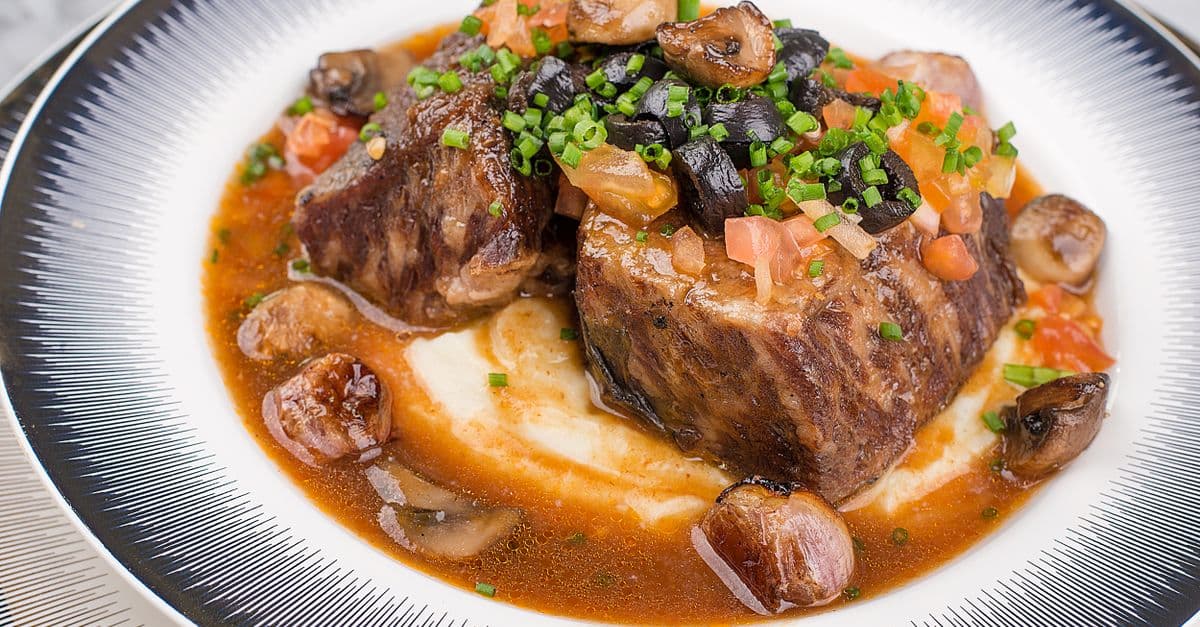
Recipe
Dutch Oven Short Ribs: Big-Batch, Better on Day Two
Beef short ribs braised in an enameled Dutch oven: brown hard in batches, braise at 300F for three hours, chill overnight, lift the fat and reheat. A big-batch holiday main that is genuinely better the second day.
Read →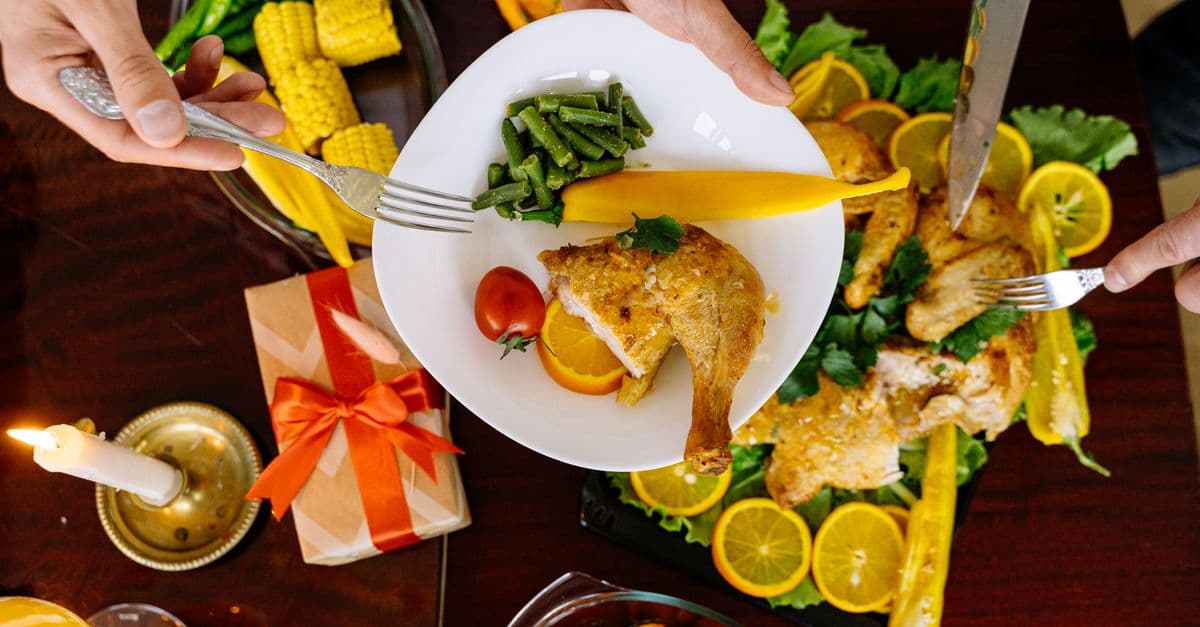
Buyer's guide
Holiday Sides in Cast Iron (and How to Fit Them All In)
Six holiday sides cast iron genuinely improves - stuffing, sprouts, gratin, cornbread, glazed carrots and crushed potatoes - with the pan each needs, the make-ahead point for each, and a schedule that keeps them out of each other's way.
Read →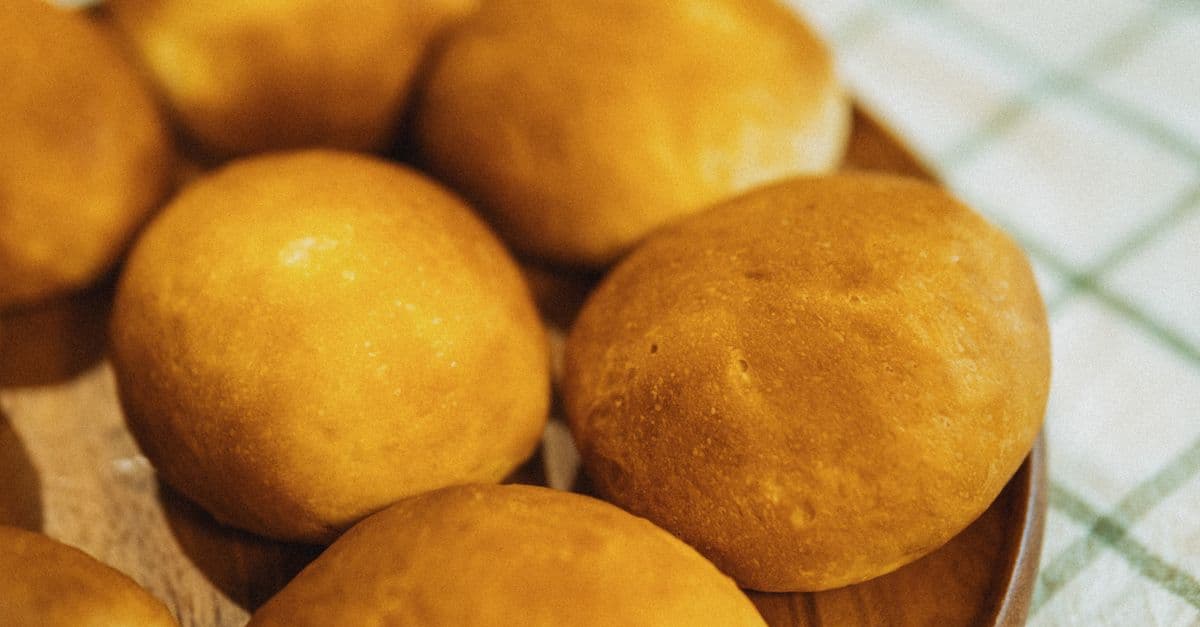
Recipe
Cast Iron Dinner Rolls: Soft Middles, Crisp Bottoms
Enriched pull-apart dinner rolls baked in a cast iron skillet: nine in a 10.25-inch pan, twelve in a 12-inch, with an overnight cold proof so the only thing left on the day is baking them.
Read →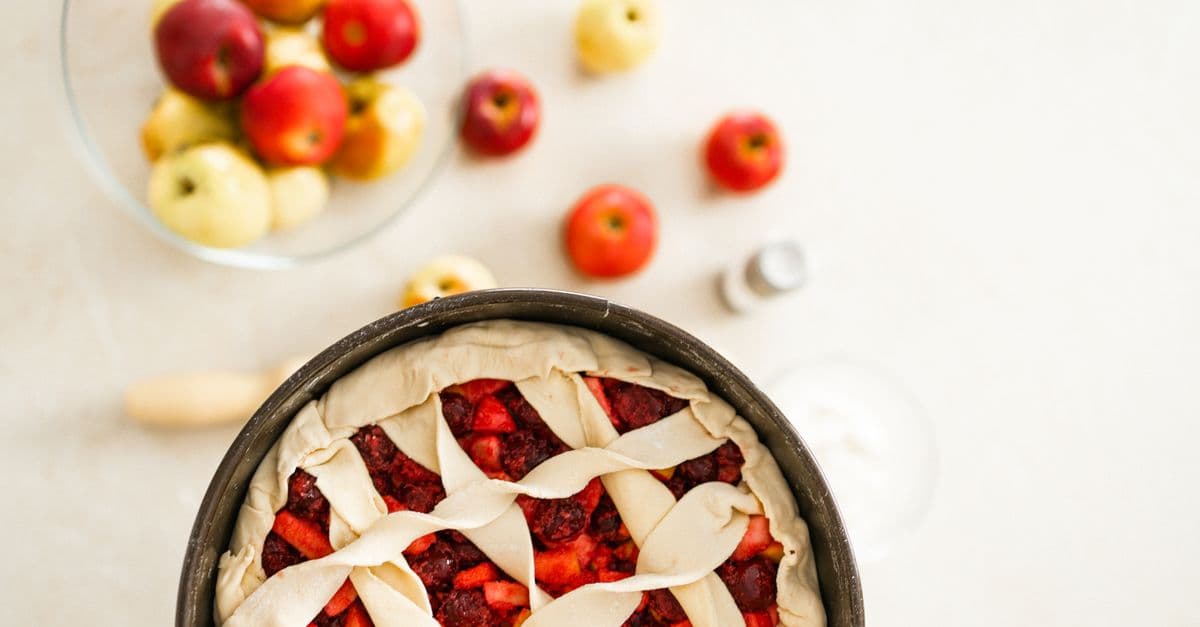
Recipe
Cast Iron Skillet Apple Pie: The Bottom Crust Fix
Apple pie baked in a cast iron skillet: a butter-and-brown-sugar caramel built in the pan, firm apples that hold their shape, and a bottom crust that actually bakes through because the iron delivers heat a glass dish cannot.
Read →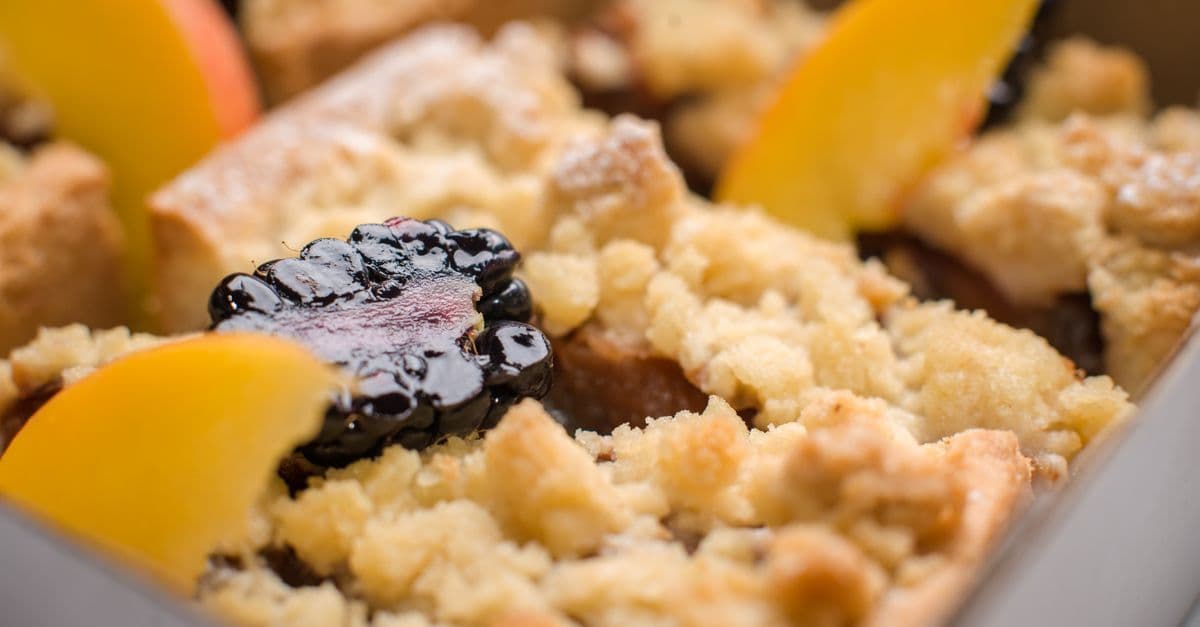
Recipe
Cast Iron Skillet Cobbler: No Pastry, No Oven Panic
Fruit cobbler in a cast iron skillet: biscuit top or batter top, works straight from frozen fruit, and can be finished on a covered grill or over coals when the oven is already full.
Read →
Buyer's guide
How to Identify Vintage Cast Iron: Gate Marks, Heat Rings and Numbers
A practical identification guide for unmarked and vintage cast iron: gate marks and their era, heat ring styles, why the big number is not the diameter, and how molders' marks and pattern letters fit in.
Read →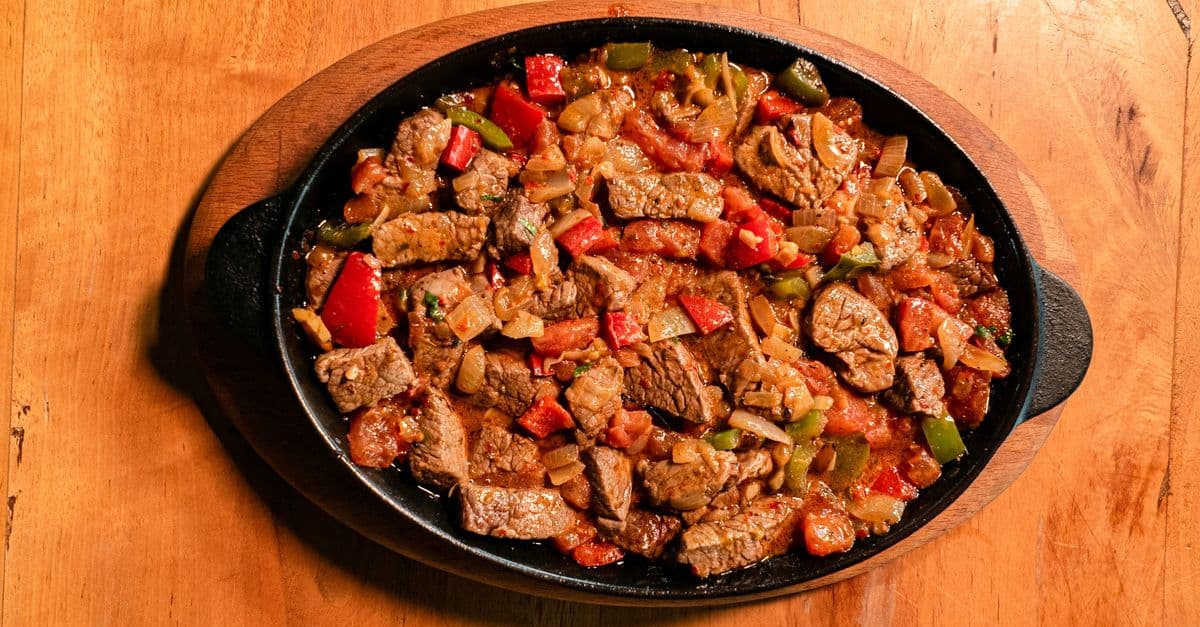
Buyer's guide
How to Date a Lodge Cast Iron Skillet
A decade-by-decade guide to dating vintage Lodge cast iron from its marks: single-notch and three-notch heat rings, the SK and DO model letters, the arrival of Made in USA, and the two egg logos.
Read →
Buyer's guide
Why Does My Induction Cooktop Buzz?
Induction buzzing is normal and usually comes from the pan, not the cooktop. GE and KitchenAid both say so - and GE states that heavier pans such as enameled cast iron are quieter than lightweight multi-ply stainless.
Read →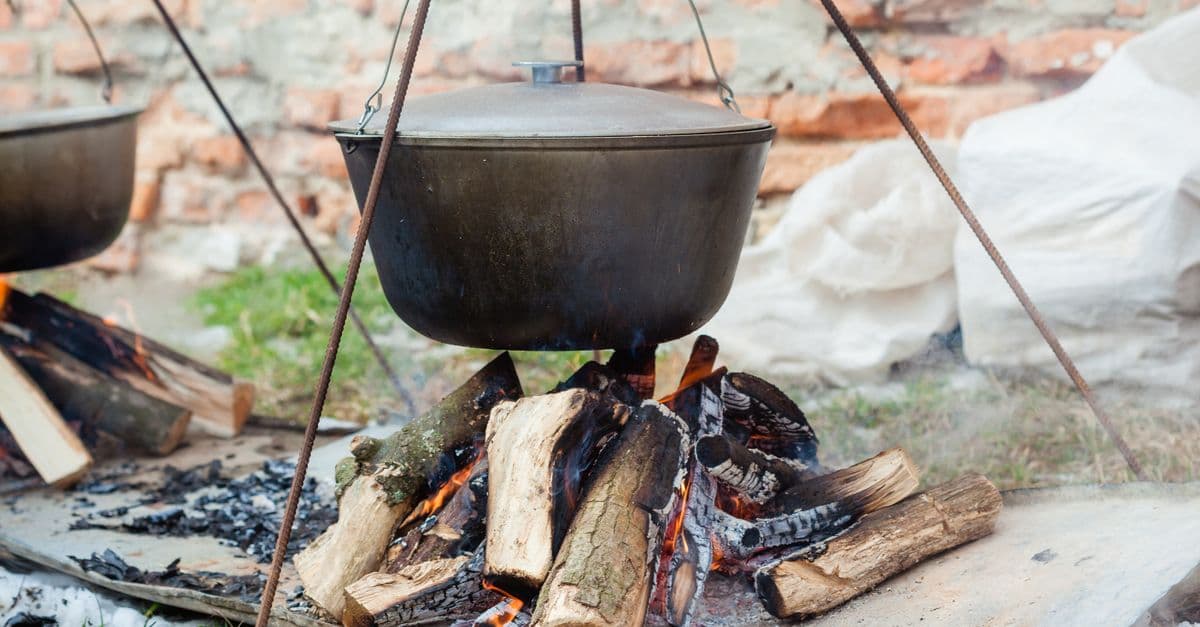
Buyer's guide
Enameled or Bare Cast Iron for Camping?
Take bare cast iron camping. Enamel is glass fused to iron, and direct coals, cold water and hard knocks are exactly what glass hates - while bare iron shrugs all three off and can be repaired in a way enamel cannot.
Read →