Care & Seasoning
Cast Iron Care & Seasoning
The part everyone worries about and almost nobody explains properly. Seasoning is polymerized oil, rust is reversible, and soap is fine. Here's the method.
Most cast-iron 'rules' are folklore repeated until it sounds like fact. Seasoning is not a mysterious ritual — it is thin coats of oil polymerized by heat, and once you understand that, the whole subject gets simple. These guides give you the reproducible method for seasoning, cleaning, and rescuing a rusty pan, and separate what actually matters from what people merely fear.
We earn a commission when you buy through our Amazon links, at no extra cost to you. It never affects our rankings, and we say so when the cheaper pan is the better buy. How this works.
Start here
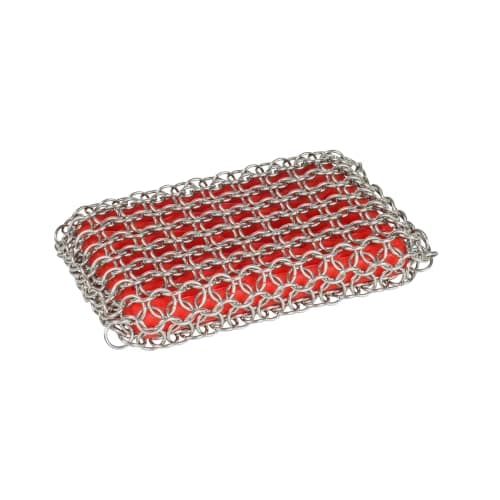
How to Clean a Cast Iron Skillet
The soap myth busted, a fast everyday cleaning method, and the three cheap tools - chainmail, brush, seasoning spray - that make it effortless.
Before you buy
What to know first
Seasoning is not magic — it's chemistry
Seasoning is a layer of oil that has been heated past its smoke point until it polymerizes into a hard, bonded, slick coating on the iron. That is the whole secret. Once you understand that the goal is thin coats fully polymerized — not thick, sticky, gummy layers — everything about maintaining a pan becomes obvious, and the ritual stops being intimidating.
The soap myth, retired
You can use dish soap on cast iron. The 'never use soap' rule is a holdover from when soap was made with lye that genuinely stripped seasoning; modern dish soap does not. A quick wash, a thorough dry, and a wipe of oil is a perfectly good routine. What actually damages a pan is leaving it wet — that is what rusts it, not a drop of Dawn.
Rust is reversible — a neglected pan is rescuable
A rusty cast-iron pan is not ruined. Rust sits on the surface and comes off with a scrub or a vinegar soak, after which you re-season and the pan is as good as new. This is the great advantage of cast iron over almost any other cookware: there is virtually nothing you can do to it that a scrub and a re-season cannot undo. Our rust guide walks the whole rescue.
Enameled iron is a different animal
If your pan is enameled — a Le Creuset, a Staub, a Lodge enameled dutch oven — none of the seasoning advice applies. Enamel is glass; it needs no seasoning and cannot rust, but it can chip and stain and dislikes sudden temperature swings and empty high heat. We keep a separate guide for it so the two care routines never get crossed.
Everything in this hub
All care & seasoning guides
How-to
How to Clean a Cast Iron Skillet
The soap myth busted, a fast everyday cleaning method, and the three cheap tools - chainmail, brush, seasoning spray - that make it effortless.
$24.90Top pick3 picks ranked
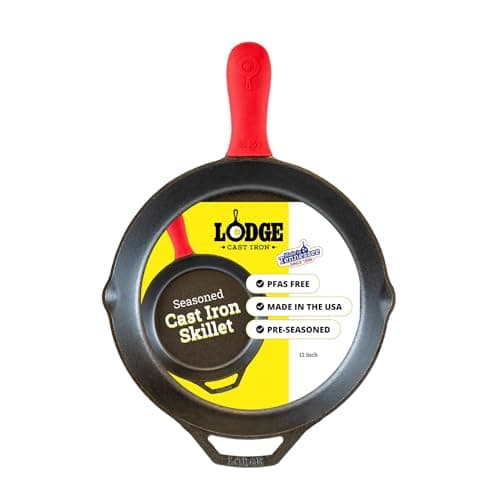
Buyer's guide
How to Sear Without Setting Off the Smoke Alarm
A sear does not have to fill the kitchen. Switch to a refined high-smoke-point fat, dry the meat properly, and use a pan big enough that you can sear at a lower setting - with the published smoke points for every common cooking fat.
$34.90Top pick3 picks ranked
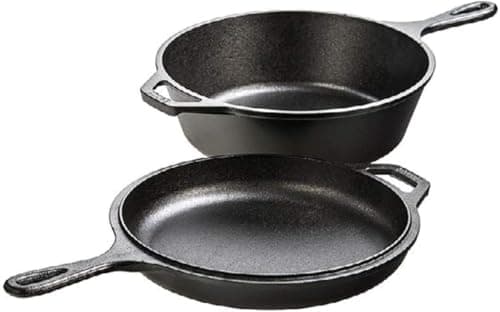
Buyer's guide
Why Your Dutch Oven Bread Burns on the Bottom
A scorched base is the predictable result of putting slack dough onto a surface that conducts heat 150 times faster than a stone. Five fixes ranked by effectiveness, from free (parchment, a higher rack) to buying the right vessel.
$59.90Top pick2 picks ranked
How-to
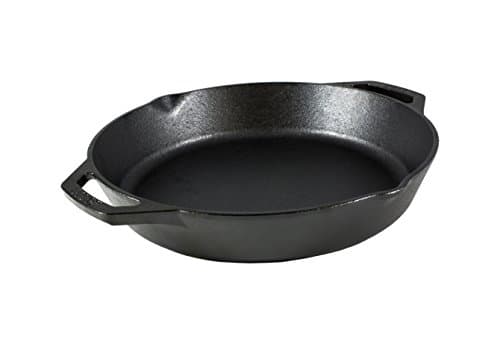
Chainmail vs Steel Wool
The scrubbing question settled: what chainmail, a stiff brush, a plastic scraper and steel wool each do to a polymerized-oil seasoning layer, the one job steel wool is genuinely for, and why none of them belongs on enamel.
$24.90Top pick3 picks ranked
How-to
Cast Iron Skillet Setup Tips
The setup decisions, not the technique: where the pan should live, the first three things to cook in it and in what order, what to buy alongside it, and the small-kitchen version of all of it.
$24.42Top pick3 picks ranked
How-to
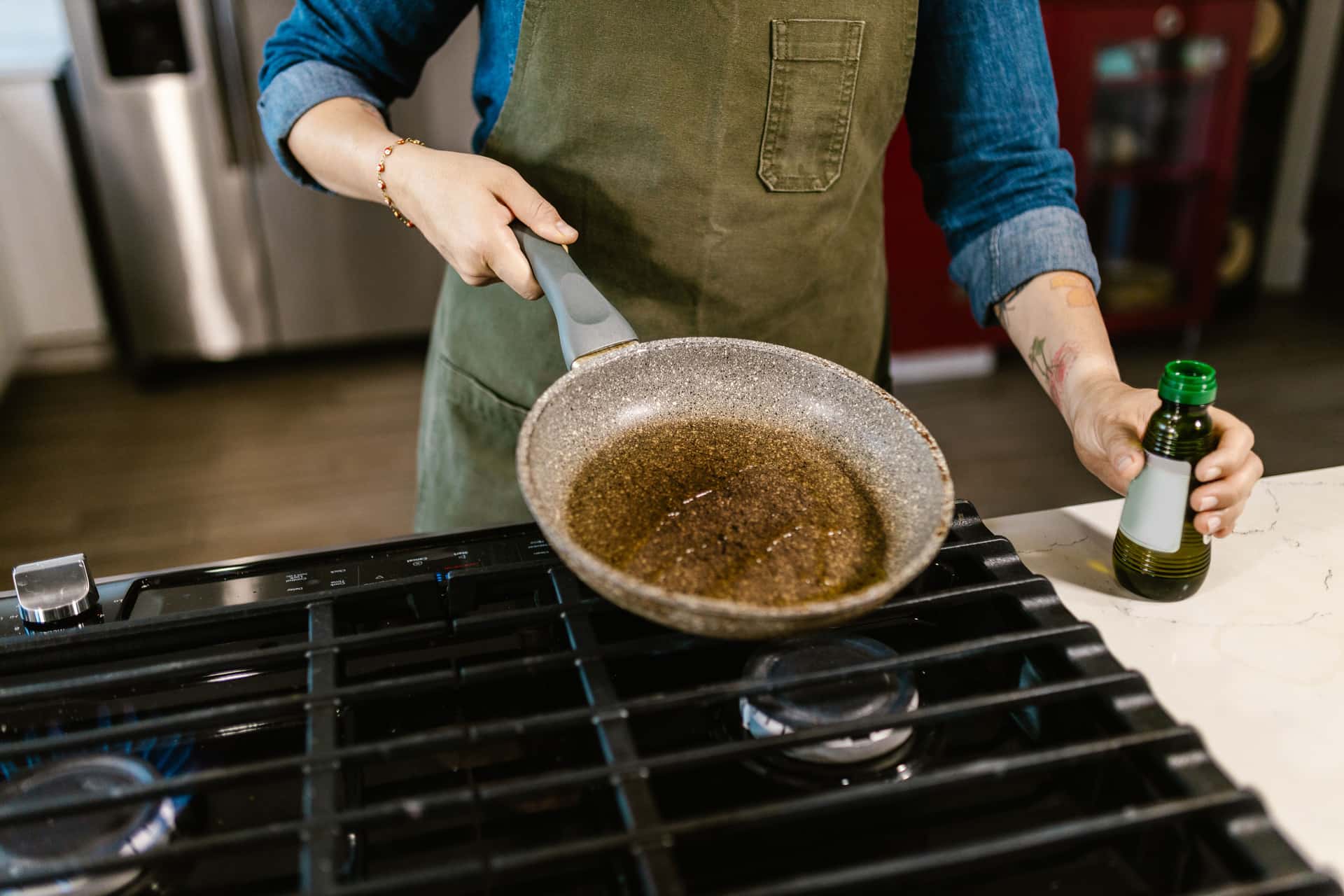
How to Season a Cast Iron Skillet
What seasoning actually is (a polymerized oil layer, not baked-on grease), and the exact thin-coat, high-heat method that builds it.
Read →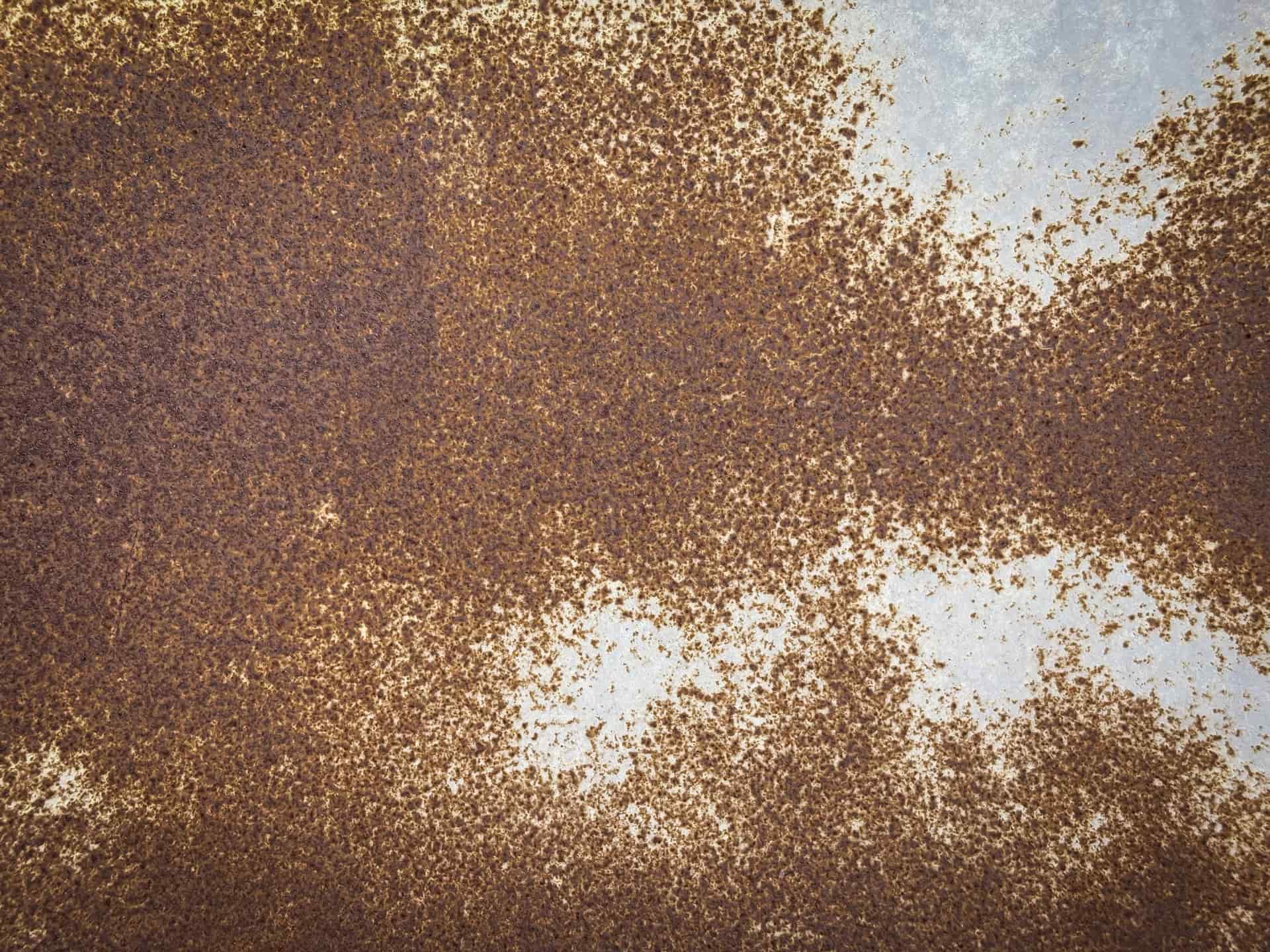
How-to
How to Remove Rust from Cast Iron
Rust is reversible. Methods sorted by severity - from a chainmail scrub for light rust to a strictly timed vinegar soak for the worst cases - then re-season.
Read →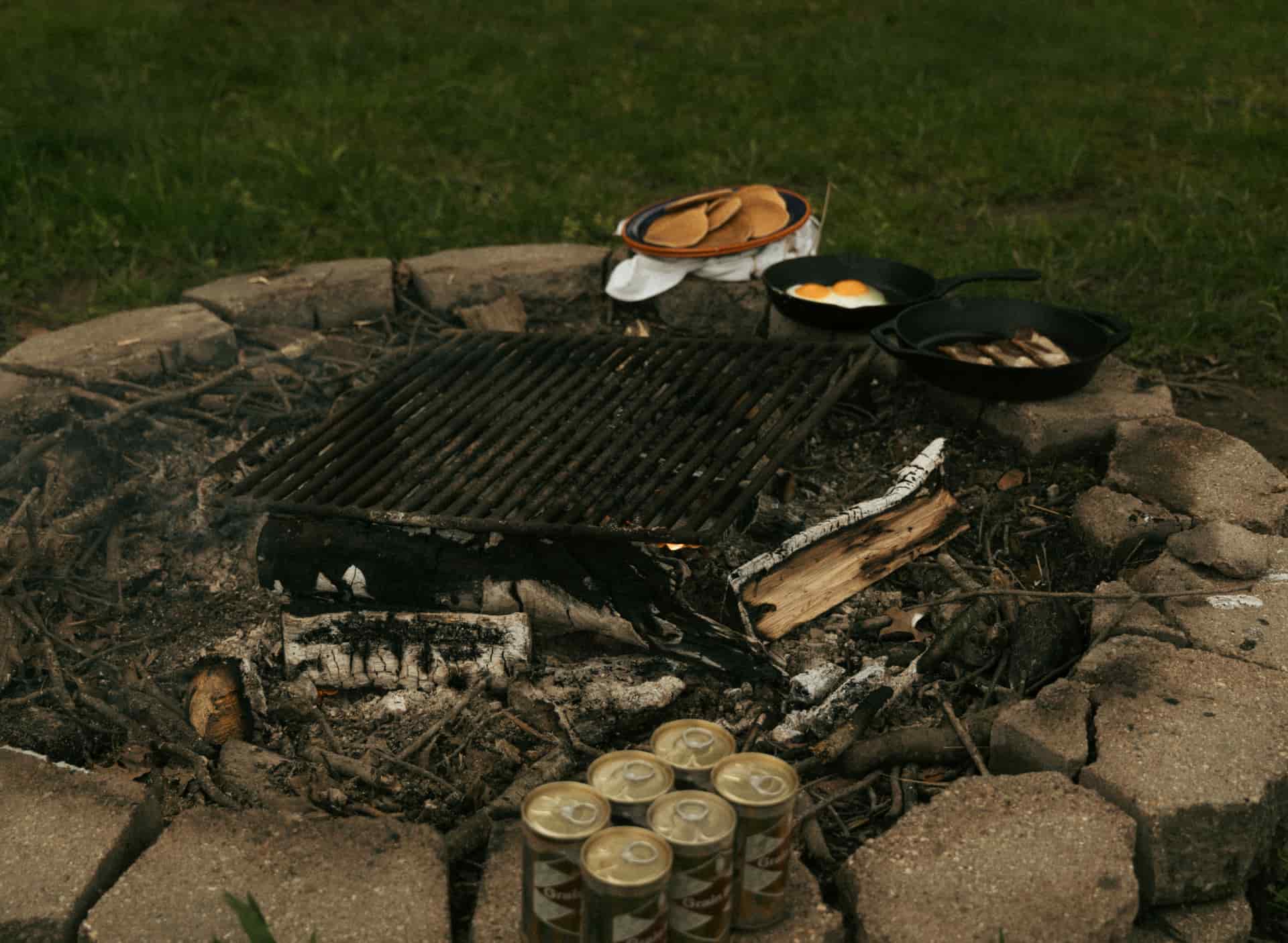
Buyer's guide
Cast Iron for Beginners: Your First Pan and First Cook
Which pan to buy first, how to use it on day one, the first cooks that build seasoning (and the ones to avoid), and the myths that scare people off.
Read →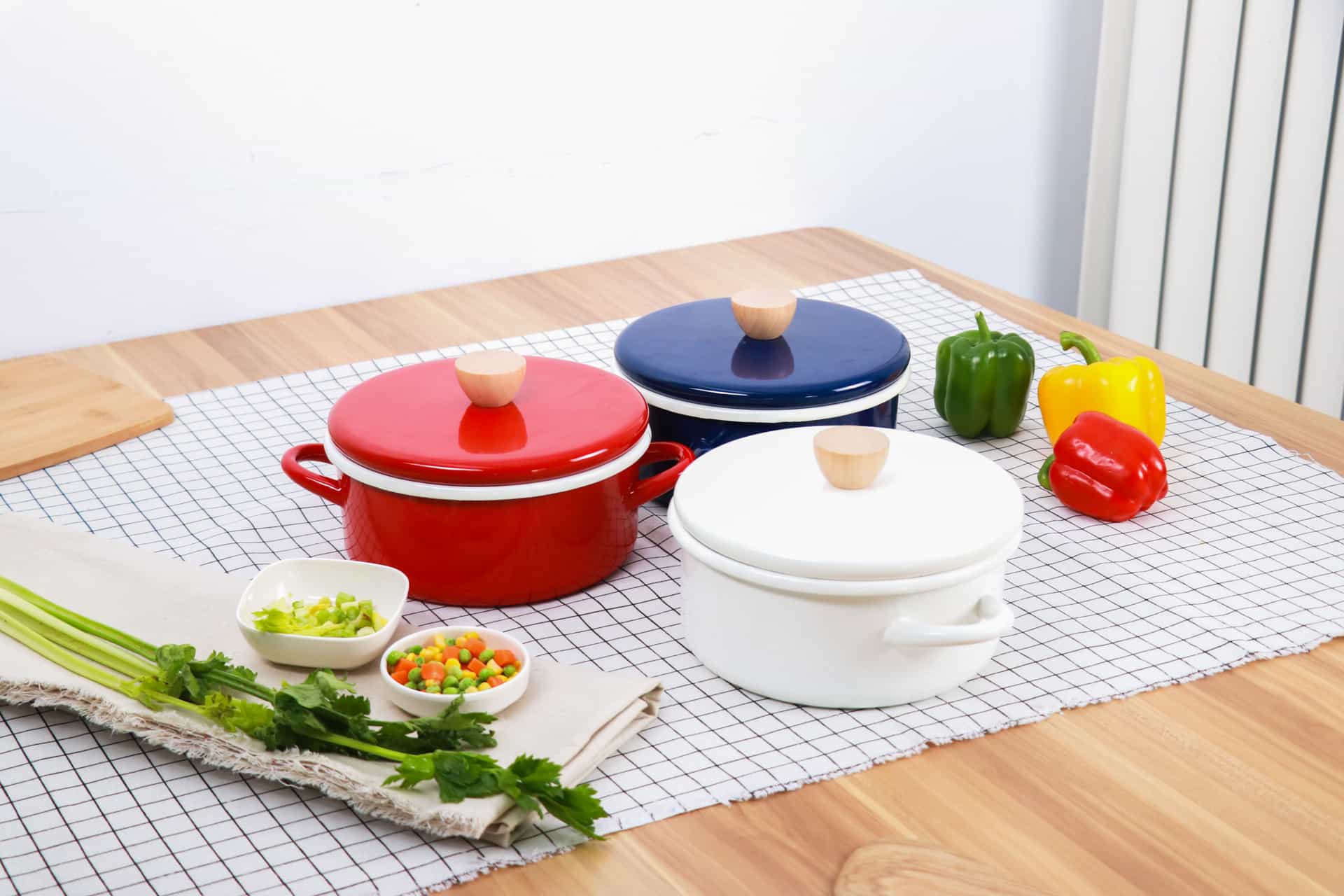
Buyer's guide
How to Care for Enameled Cast Iron
Enamel needs no seasoning. How to avoid thermal shock and chipping, lift stains with baking soda or Bar Keepers Friend, and how it differs from bare-iron care.
Read →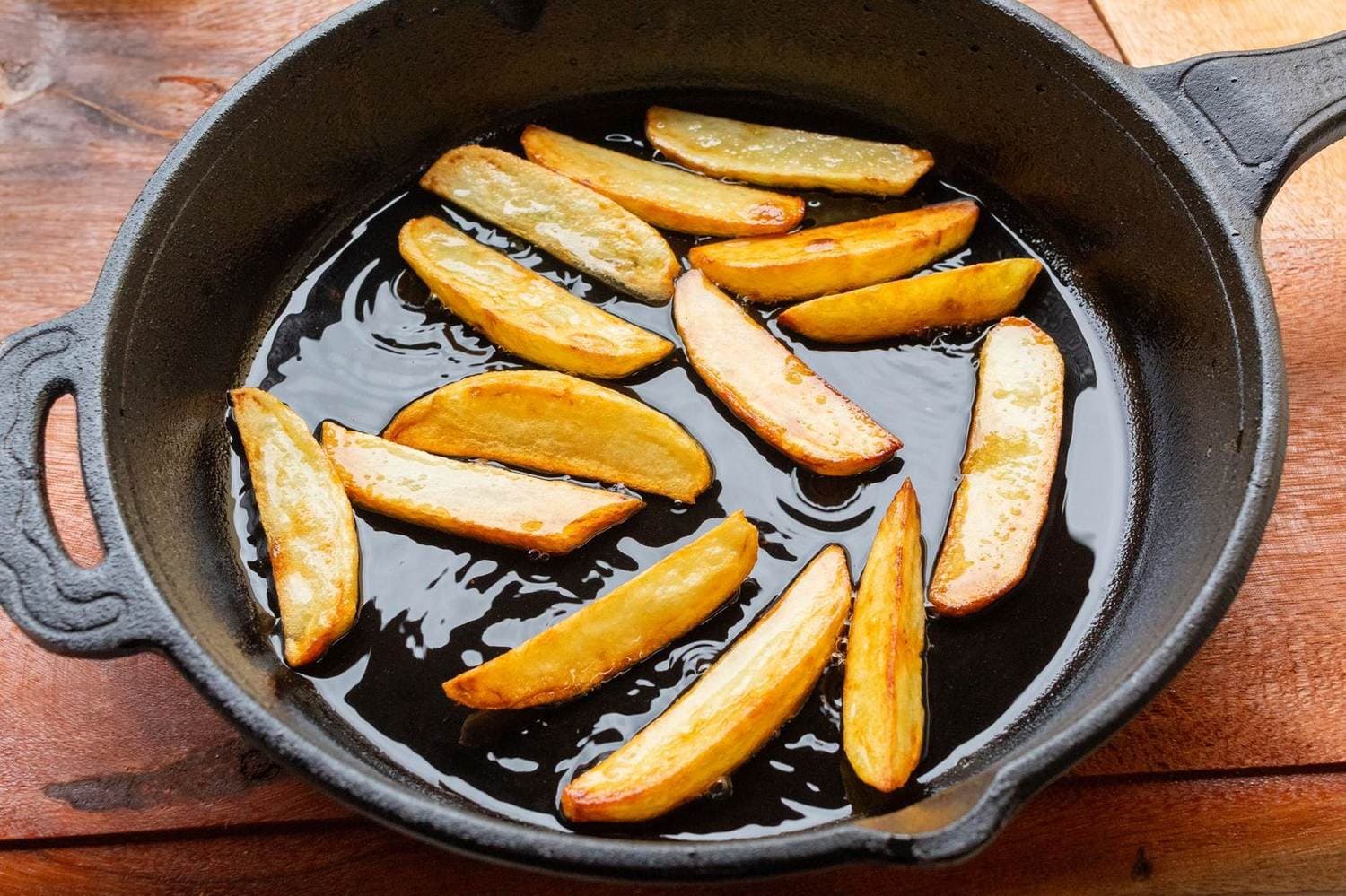
How-to
Why Is My Cast Iron Sticky?
A sticky, tacky cast iron pan is almost always too much oil that never fully polymerized. The fix is simple: scrub the gum back and re-season with thin coats heated past the smoke point.
Read →
How-to
Cast Iron Seasoning Flaking or Peeling
Flaking, peeling black seasoning is uneven or over-thick seasoning shedding — it is polymerized oil, not rust, and it is harmless. Scrub the loose flakes back to a sound surface and re-season thin.
Read →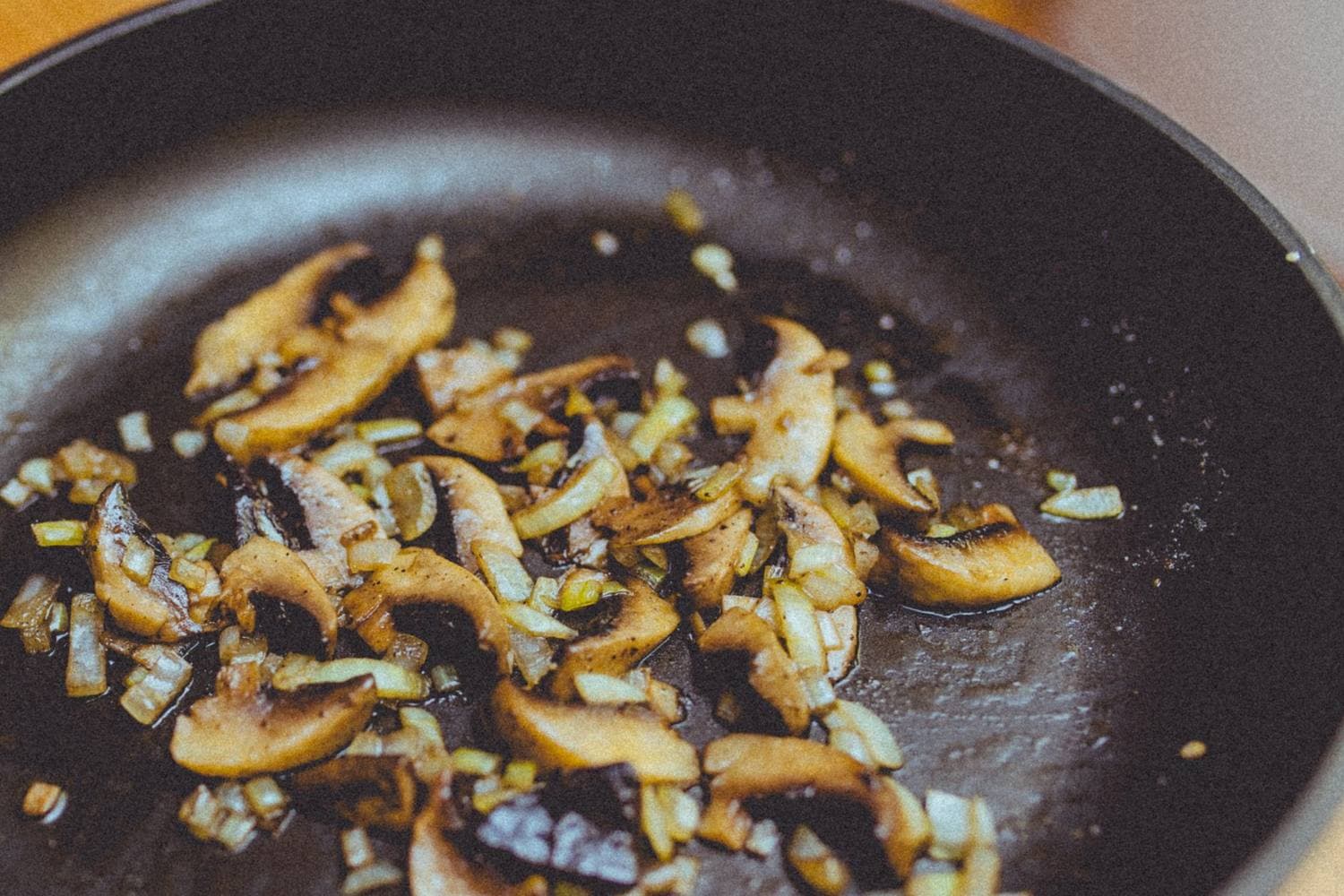
How-to
Why Does Food Stick to Cast Iron?
Food sticks to cast iron for four fixable reasons: the pan is not hot enough, there is too little fat, the seasoning is thin, or you moved the food too soon. Fix those and a cast iron pan releases like nonstick.
Read →
How-to
How to Cook Eggs in Cast Iron (Without Sticking)
Eggs cook cleanly in cast iron with a well-seasoned pan, medium (not high) heat, enough fat, and a little patience. Here is the method for fried, scrambled, and over-easy eggs.
Read →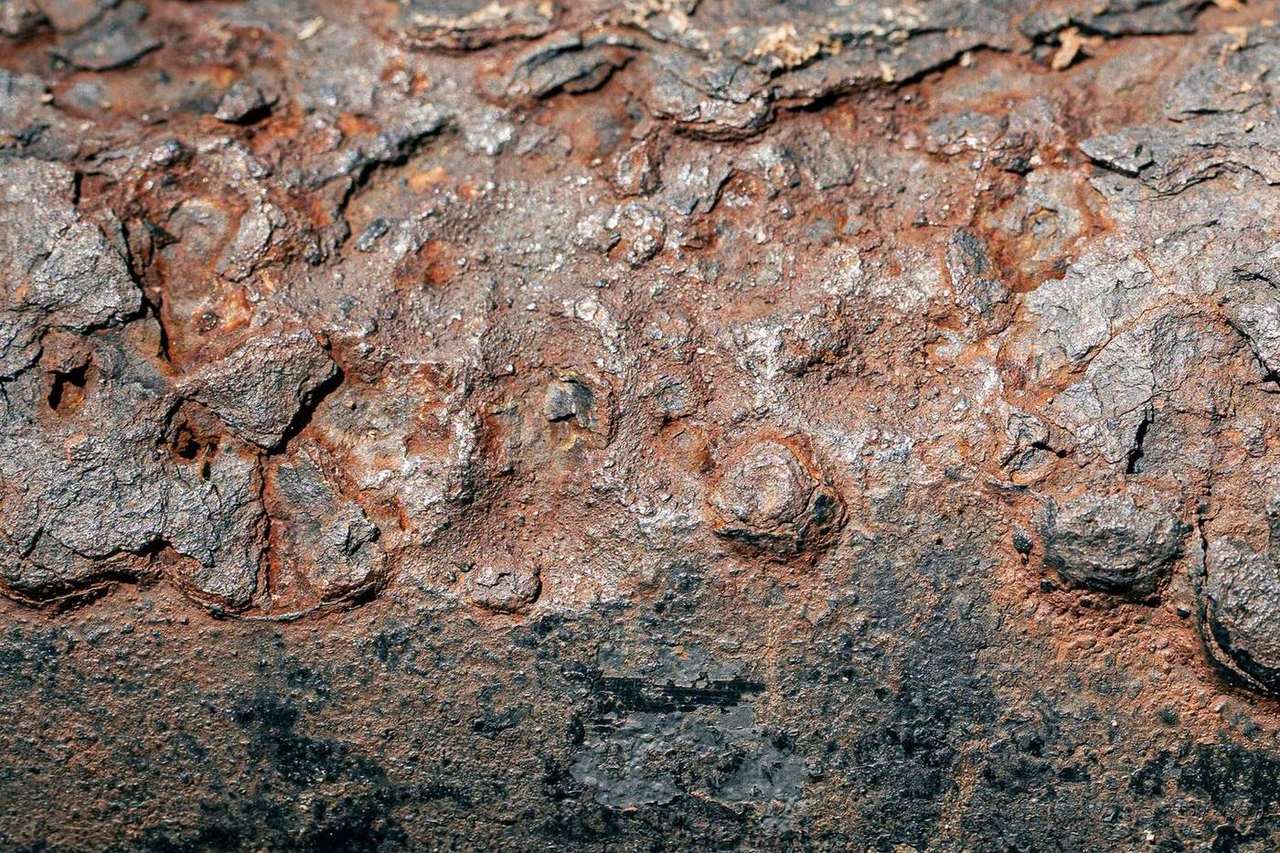
How-to
How to Restore Cast Iron
A neglected or vintage cast iron pan is almost always rescuable. Strip the old seasoning and rust back to bare metal with an oven cycle, a lye bath, or vinegar for rust, then re-season. Here is each method and when to use it.
Read →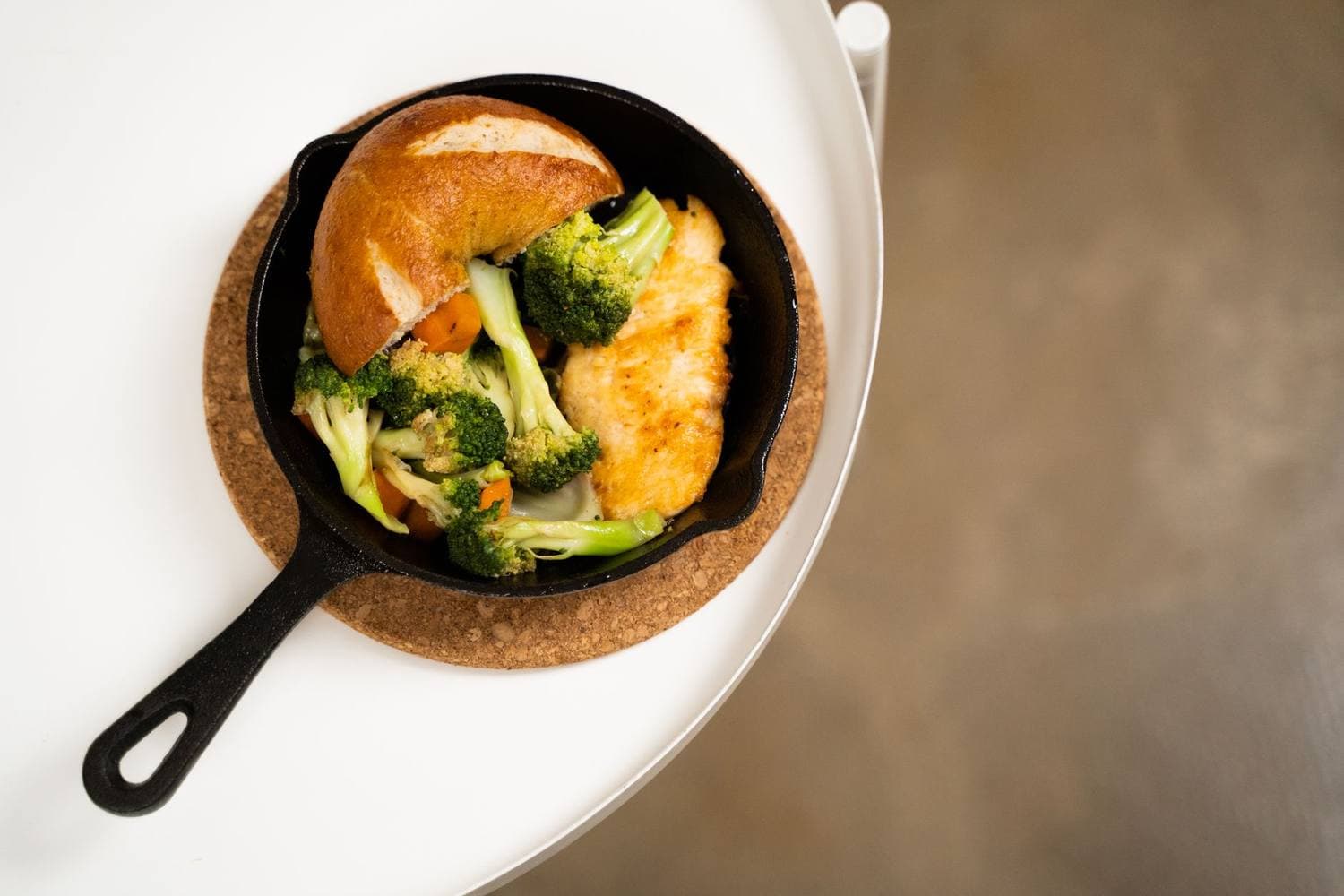
Buyer's guide
Is Cast Iron Safe to Cook With?
Bare cast iron has no chemical coatings and leaches only a small amount of dietary iron — usually a benefit. Reputable enamel is inert and lead-free. The one group who should moderate is people with iron-overload conditions.
Read →
How-to
How to Store Cast Iron
Store cast iron bone-dry with a thin film of oil, put a paper towel between stacked pans, keep lids ajar so moisture cannot get trapped, and never store food in it. Trapped moisture is the only real enemy.
Read →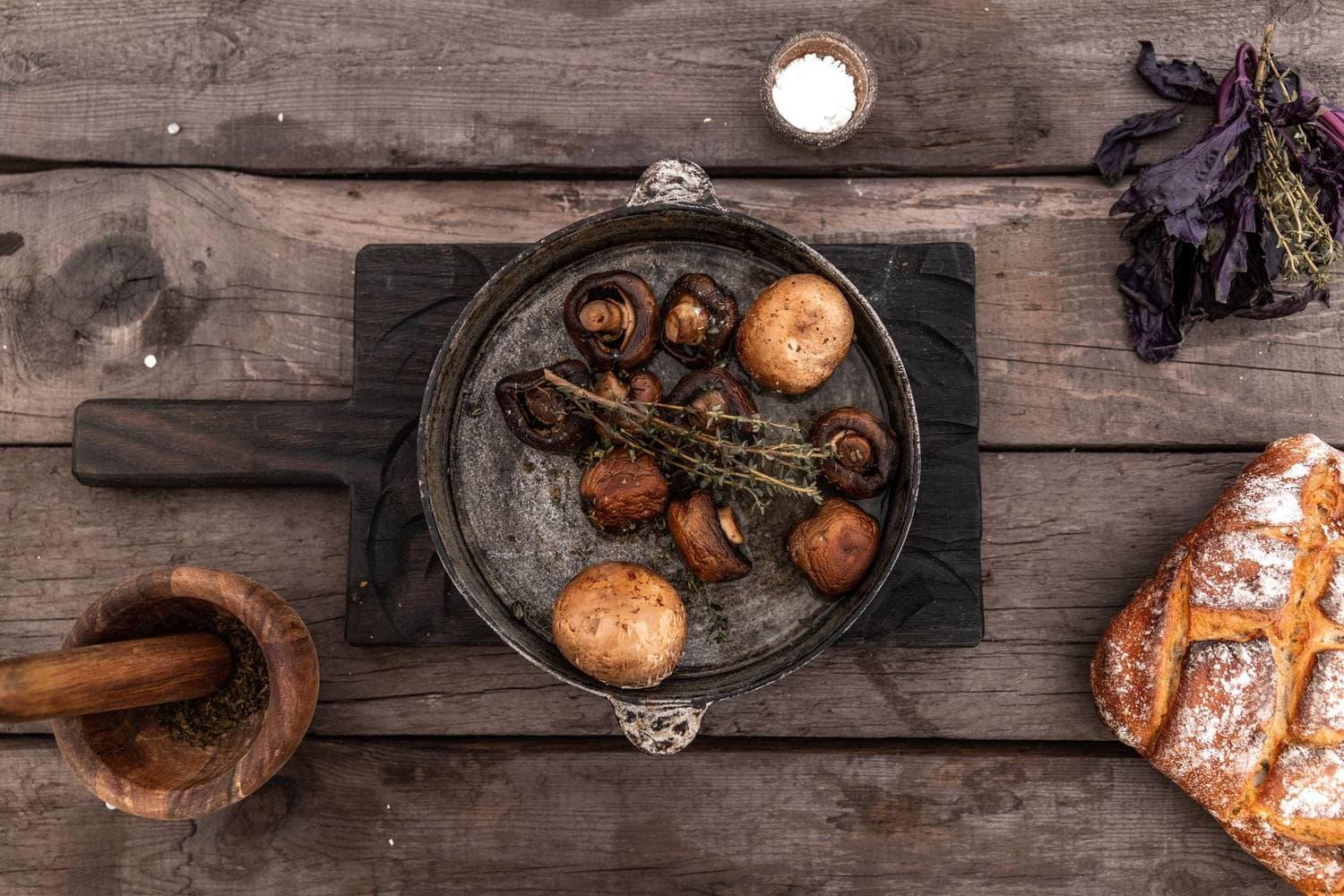
How-to
How to Tell If Cast Iron Is Seasoned
A well-seasoned cast iron pan is dark, semi-glossy, smooth, and slick, and food releases from it. Dull gray or matte patches mean under-seasoned; tacky means too much oil. Here is how to read the look, the feel, and the quick tests.
Read →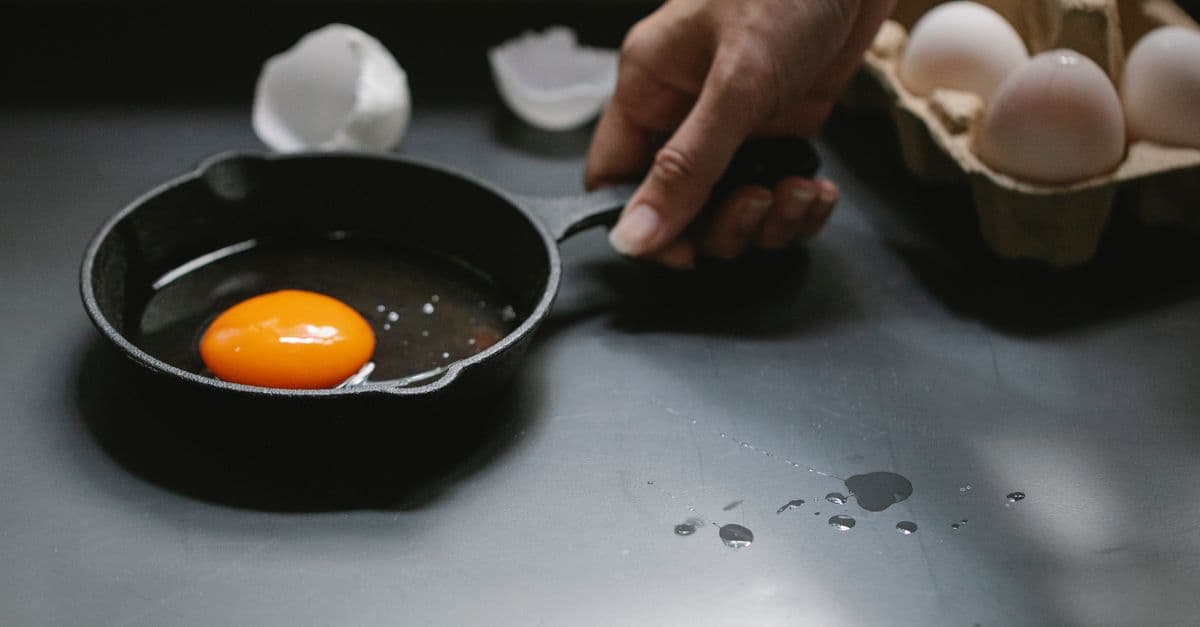
Buyer's guide
Can You Use Soap on Cast Iron?
Modern dish soap does not strip seasoning — that's polymerized, bonded oil, not loose grease. Here's where the myth came from and what actually harms a pan.
Read →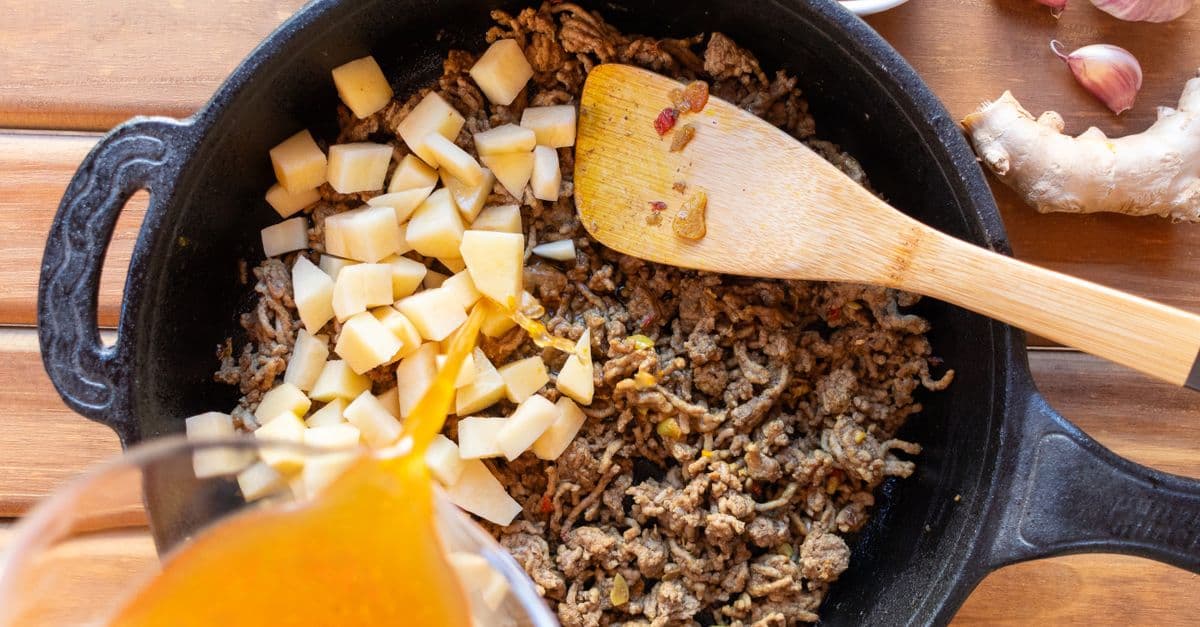
Buyer's guide
The Best Oil for Seasoning Cast Iron
Any neutral, high-smoke-point oil seasons well. Here's why smoke point and polymerization matter, the flaxseed debate, and the oils to skip.
Read →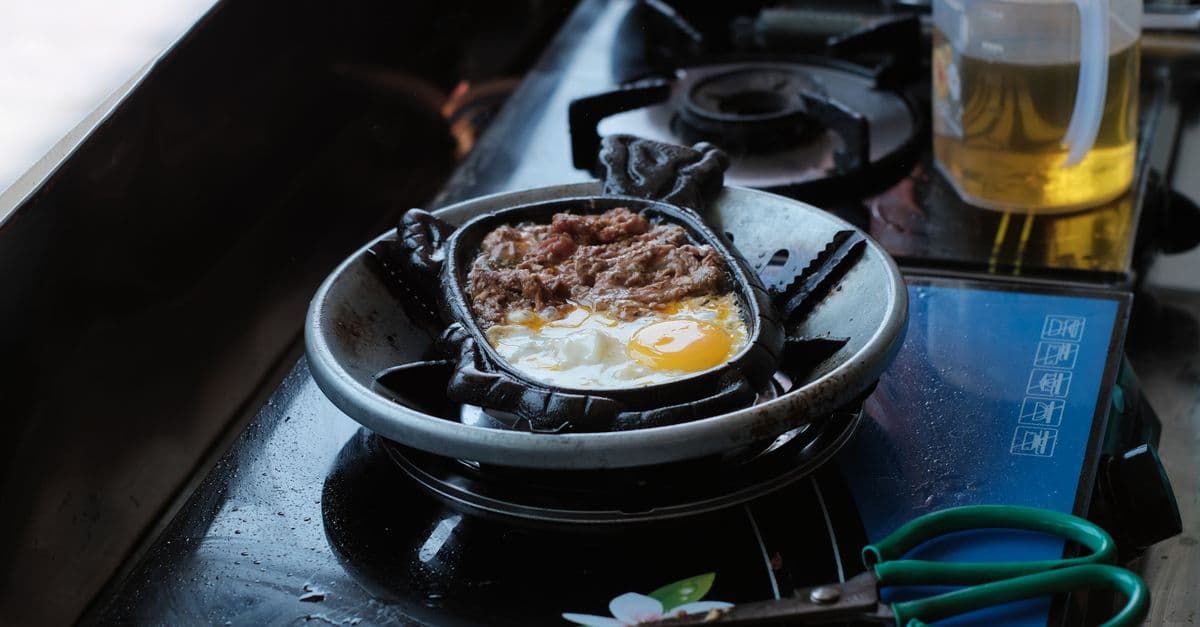
How-to
How to Preheat Cast Iron
Preheat on medium and give it time — iron heats slowly and unevenly. The water-drop test, when to add oil, and why preheating fixes sticking and sear.
Read →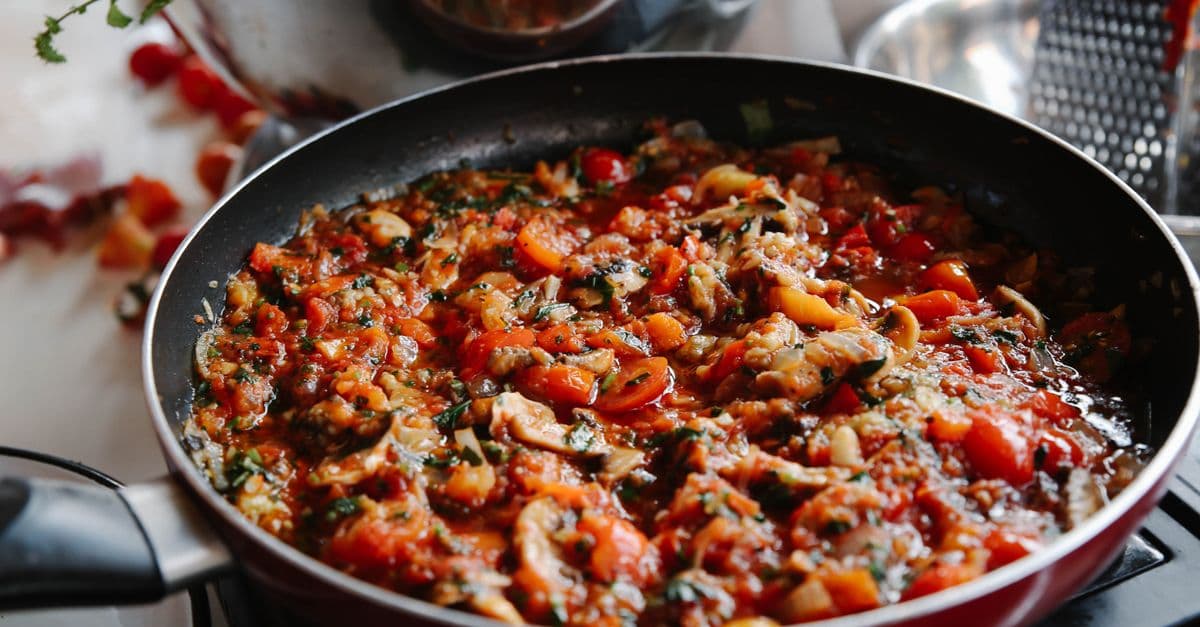
Buyer's guide
Can You Cook Tomato Sauce in Cast Iron?
Brief cooking of tomatoes on well-seasoned bare iron is fine; long acidic simmers can strip a thin coat and taste metallic. Enameled cast iron is the right tool for long braises.
Read →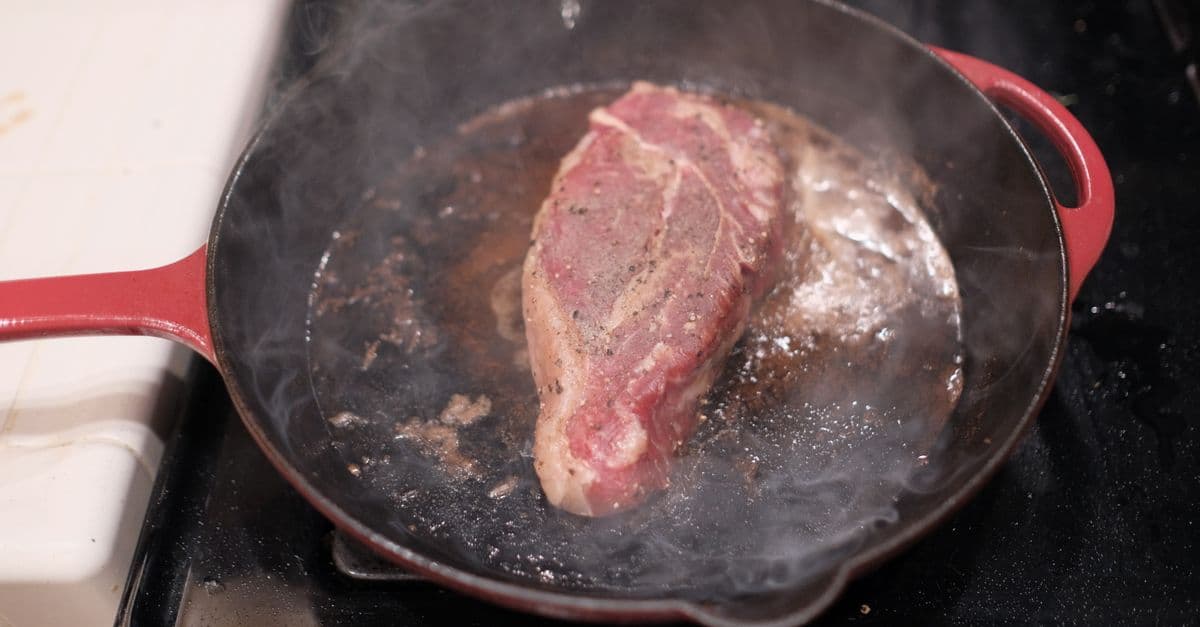
Buyer's guide
Why Does My Cast Iron Smoke?
Cast iron smokes when oil passes its smoke point, when there's too much oil or residue, or when heat is too high. Here's the cause behind each and the fix.
Read →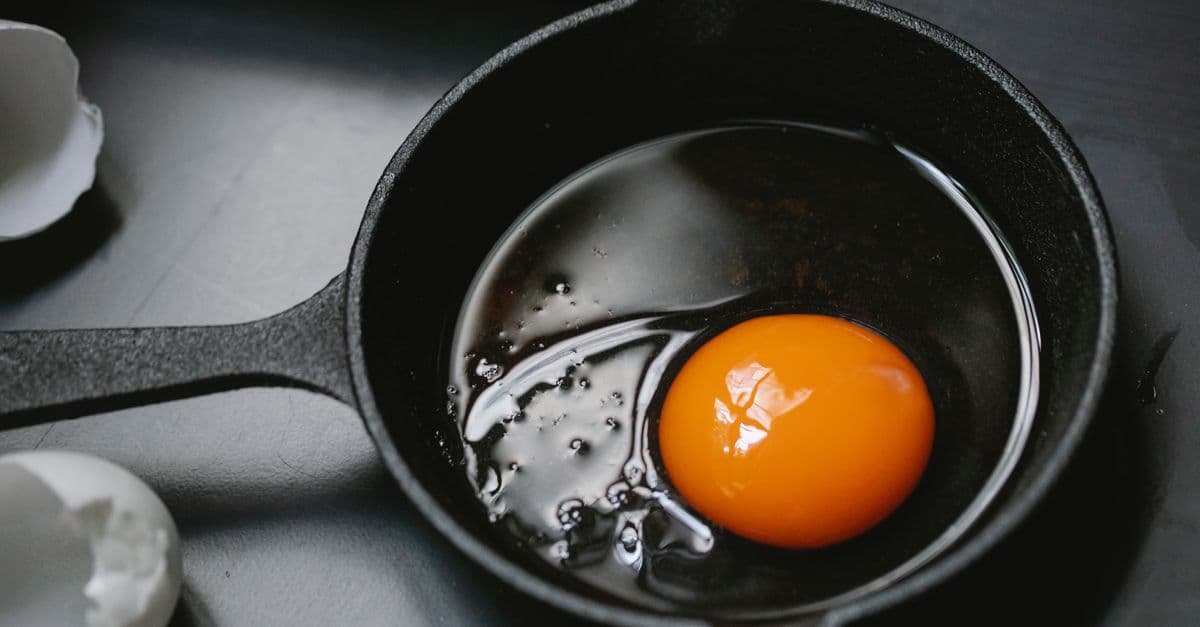
How-to
How Often Should You Season Cast Iron?
You mostly season just by cooking with fat. A full oven re-season is only for a dull, patchy, or sticking pan, or after rust. Here are the signs to watch for.
Read →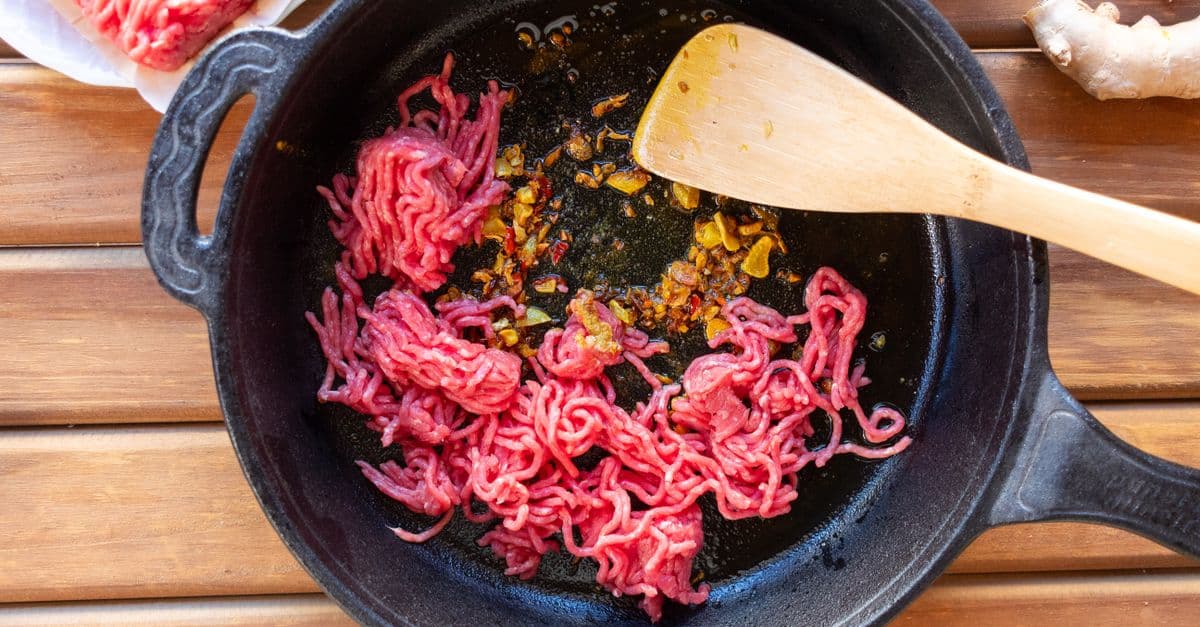
Buyer's guide
Can You Use Metal Utensils on Cast Iron?
Yes on bare cast iron — bonded seasoning self-heals and a metal spatula keeps it slick. Never on enamel, where hard metal chips the glass. The distinction is the whole answer.
Read →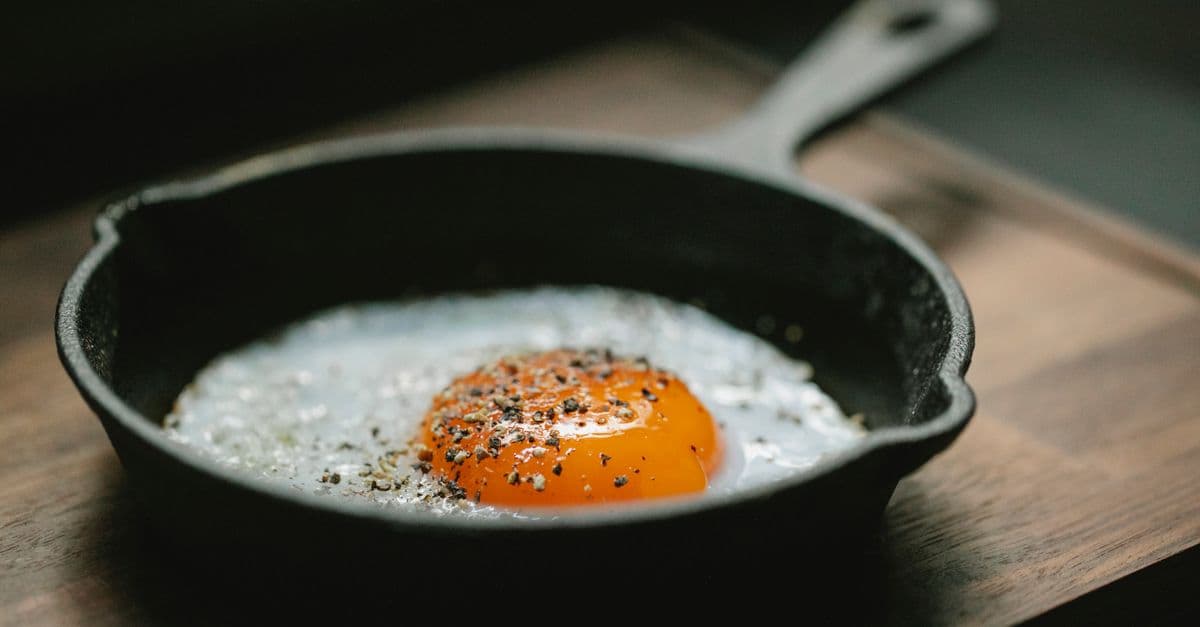
Buyer's guide
Is Cast Iron Non-Stick?
Seasoned cast iron becomes genuinely non-stick via polymerized oil, but it's not the same as PTFE and behaves differently. Here's how to actually get eggs to release.
Read →
Buyer's guide
Can You Put Cast Iron in the Oven?
Bare iron is oven-safe at any temperature; enameled is safe up to its lid-knob rating, often around 500°F. Watch low-rated plastic knobs, and remember the handle gets oven-hot.
Read →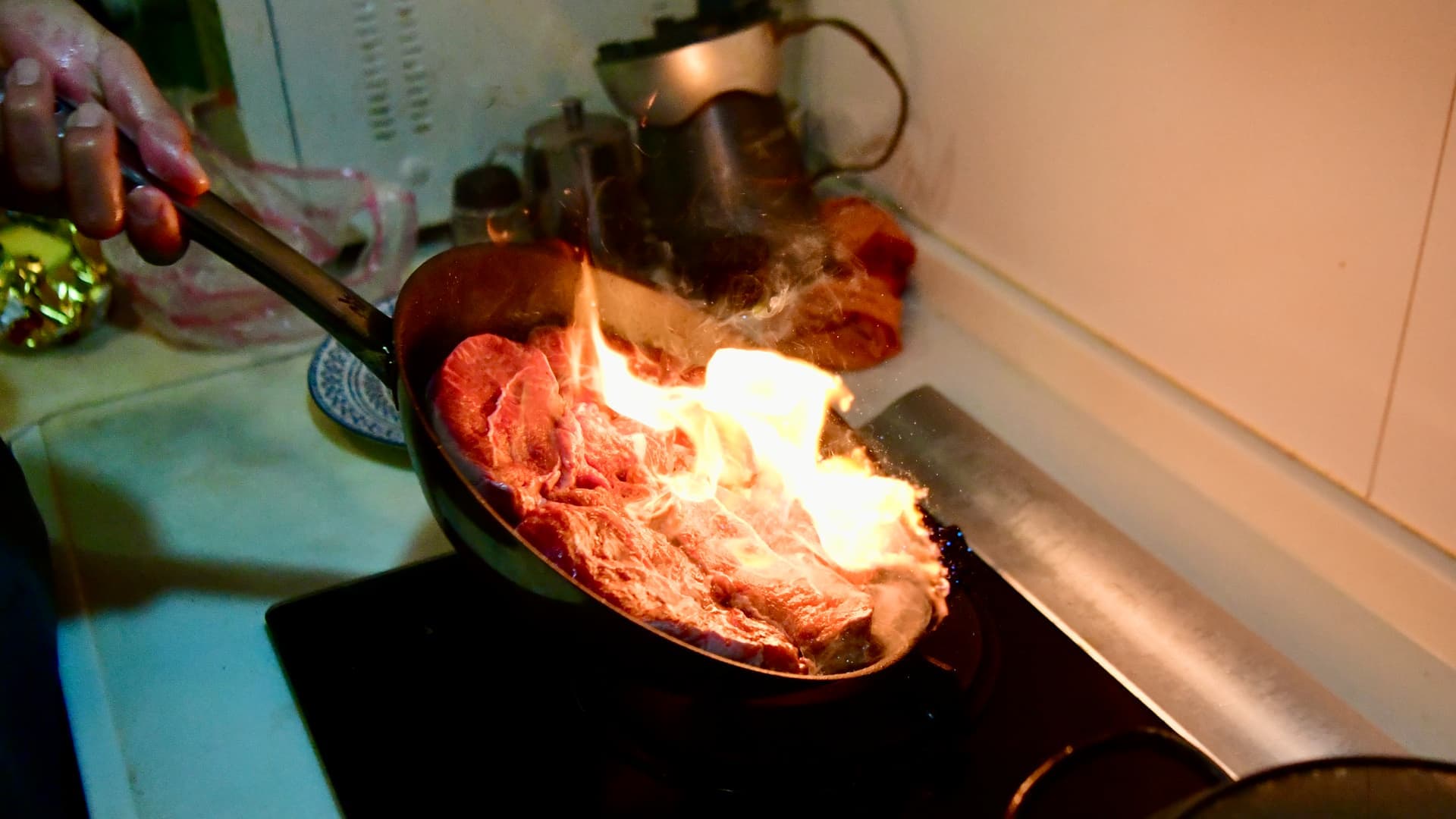
How-to
How to Season Carbon Steel
Strip the factory wax, then bake thin coats of a high-smoke-point oil onto the pan two to four times. It is the same chemistry as seasoning cast iron, and it takes an afternoon.
Read →Buyer's guide
Chipped Enamel on Cast Iron
Enamel is fused glass and cannot be truly repaired at home. A chip on the outside or rim is cosmetic and safe to keep using; a chip on the cooking surface means it is time to stop. Check your warranty either way.
Read →Buyer's guide
Can Cast Iron Crack?
Yes, cast iron can crack or warp, almost always from thermal shock (a sudden temperature swing) or a hard drop. Here is how to avoid it and how to tell a truly-done pan from one that just needs re-seasoning.
Read →How-to
How to Remove Stains From Enameled Cast Iron
The brown film that builds up inside light-colored enameled pots is cosmetic staining, not damage. Lift it with a baking soda simmer, a baking soda paste, or a gentle cookware cleaner — never steel wool or thermal shock.
Read →
How-to
How to Use a Dutch Oven
A dutch oven browns on the stovetop and finishes in the oven, which makes it the best pot for braises, soups, stews, and no-knead bread. Here is how to use one, plus first-use and care notes by type.
Read →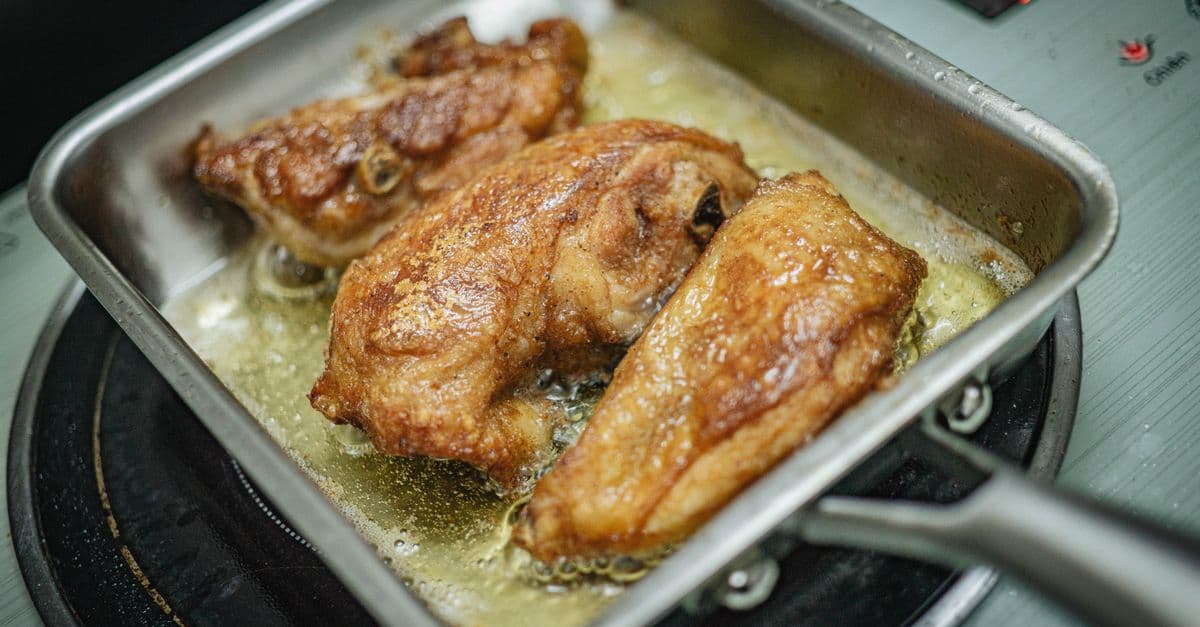
How-to
How to Deep Fry in Cast Iron
Cast iron holds oil temperature better than any thin pan, which is the secret to crisp, non-greasy frying. Use a deep skillet or dutch oven, fill no more than a third with a high-smoke-point oil, hold 350 to 375F, and never leave hot oil unattended.
Read →How-to
How to Strip Cast Iron Seasoning
When a pan is badly built up, crusty, or deeply rusted, you strip it back to bare metal and start over. Here are the honest methods, ranked, the real safety notes for lye and self-clean, and when NOT to strip a pan that just needs a wash.
Read →How-to
How to Keep Cast Iron From Rusting
Cast iron rusts from trapped moisture, not from a quick wash. Dry it thoroughly on the burner, keep a healthy layer of seasoning and a thin oil film, and store it dry with a little airflow. Do that and it never rusts.
Read →How-to
How to Clean Burnt Cast Iron
Burnt-on food comes off cast iron without wrecking the seasoning if you work gentlest-first: deglaze while warm, simmer water to loosen, then a salt scrub or chainmail. Save stripping and re-seasoning for truly carbonized crust.
Read →Buyer's guide
Is Black Residue on Cast Iron Safe?
Black residue on cast iron is almost always loose seasoning - carbon and polymerized oil - which is harmless to swallow but a sign the coat needs work. It is not rust and not toxic. Here is how to tell what you are seeing and what to do.
Read →How-to
How to Use a Wok
Season the wok first, then heat it until it just smokes before the oil goes in. Cook in stages: aromatics, then protein seared and pulled out, then vegetables, then everything back together with the sauce. Keep it all moving and never crowd the pan, and you get the smoky char cooks call wok hei.
Read →How-to
How to Cook With Carbon Steel
Season a carbon steel pan before its first cook, then work a little cooler than you would with cast iron because it heats and reacts fast. It sears, sautes, fries eggs once seasoned, and makes crepes and stir-fries, and it wants the same dry-and-oil care as cast iron. Skip long acidic simmers until the seasoning is well built.
Read →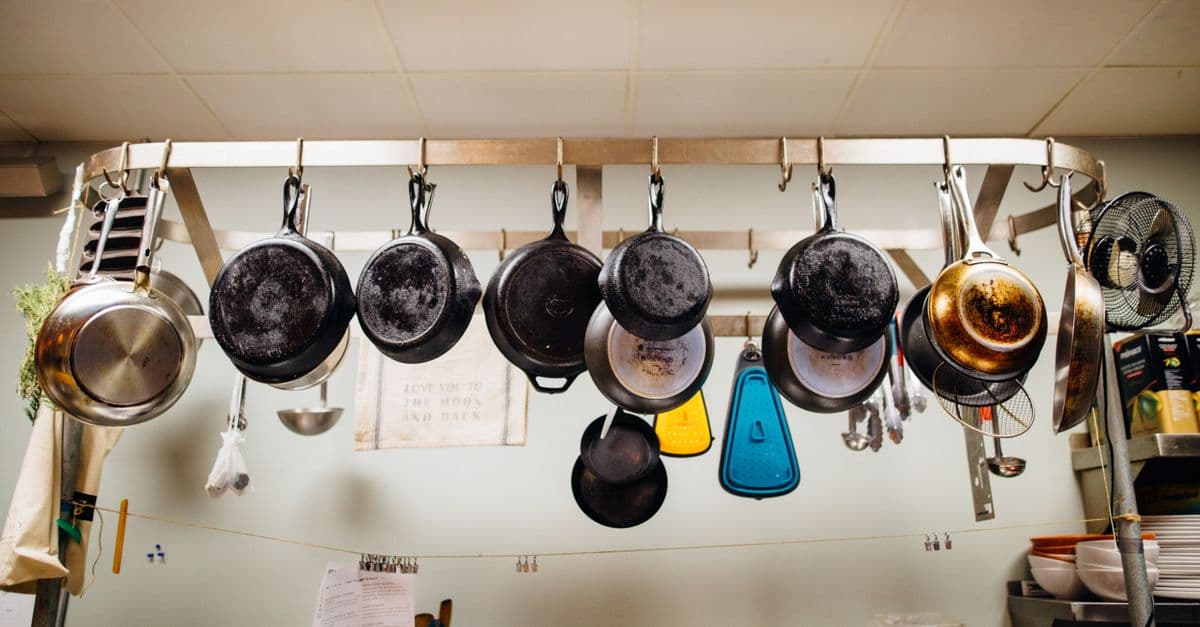
How-to
How to Camp Cook With Cast Iron
Cast iron is the classic campfire cookware because it takes direct flame and coals and holds heat outdoors. Cook in a footed camp dutch oven with coals on top and underneath using the rough coal-count rule, sear on a grate over the fire, and clean it fireside by scraping, rinsing with hot water, drying by the flames, and re-oiling. Never shock a hot pan with cold creek water.
Read →Buyer's guide
Is Cast Iron Dishwasher Safe?
No. A dishwasher's harsh detergent and long wet cycle strip the seasoning and rust bare iron. Hand-wash in under two minutes instead. Enameled cast iron is the exception.
Read →Buyer's guide
Why Does Cast Iron Heat Unevenly?
Cast iron has high thermal mass but low thermal conductivity, so it is slow to spread a burner's heat sideways and starts with a hot center. Preheat gently for several minutes and it holds that even heat beautifully.
Read →How-to
How to Use Cast Iron for the First Time
A beginner's first steps with a new cast iron skillet - what to do out of the box, the easy first cooks that build the surface, and the few rules that matter versus the folklore you can ignore.
Read →How-to
How to Stop Food Sticking to Enameled Cast Iron
Enamel never seasons into a nonstick surface, so food sticks when the pan is too cool or too dry - the fix is a proper preheat and enough fat, plus patience for the food to release on its own.
Read →
How-to
How to Clean a Cast Iron Griddle
Cleaning a cast iron griddle is a skillet routine on a bigger surface - scrape while warm, wash with warm water and a scrubber, dry completely on the heat, and oil. The extra steps are the grease channel and the large flat top.
Read →How-to
How to Restore Enameled Cast Iron
Restoring enameled cast iron is deep-cleaning stains and burnt-on marks - baking soda and simmering, not re-seasoning. What a chip really means, and the honest line on when a pot is done versus a bare pan you can always save.
Read →Buyer's guide
Is Rusty Cast Iron Safe to Use?
A little surface rust on cast iron is not dangerous — rust is iron oxide, not a toxin, and the tiny amount you might ingest is harmless for almost everyone. But you should not cook on a rusty pan as it is: rust means the seasoning has failed there, so food will stick and taste metallic, and flakes are unpleasant. The fix is simple and total — scrub the rust off, re-season, and the pan is restored. Rust is reversible, which is cast iron's superpower.
Read →How-to
How to Clean Cast Iron Grill Grates
To clean cast iron grill grates: brush them with a grill brush while they are still hot after cooking to knock off residue, then, when they need more, scrub with warm water and dry them thoroughly — heat drives off the last moisture. Wipe on a thin coat of oil to protect the bare iron, since grates live outdoors where they rust easily. Season them like any cast iron, and rescue rust with a scrub and re-oil. The whole job is keeping them dry and lightly oiled.
Read →How-to
How to Season a Dutch Oven
To season a bare cast iron Dutch oven: wash and dry it, wipe an ultra-thin coat of high-smoke-point oil over the whole pot — inside, outside, and the lid — buff off the excess, then bake it upside down at around 450–500°F for an hour and let it cool in the oven. Repeat for a few coats. Enameled Dutch ovens need no seasoning because the glass surface is not bare iron; only their exposed rim wants a wipe of oil. Re-season a bare pot whenever it looks dull or after a big cleanup.
Read →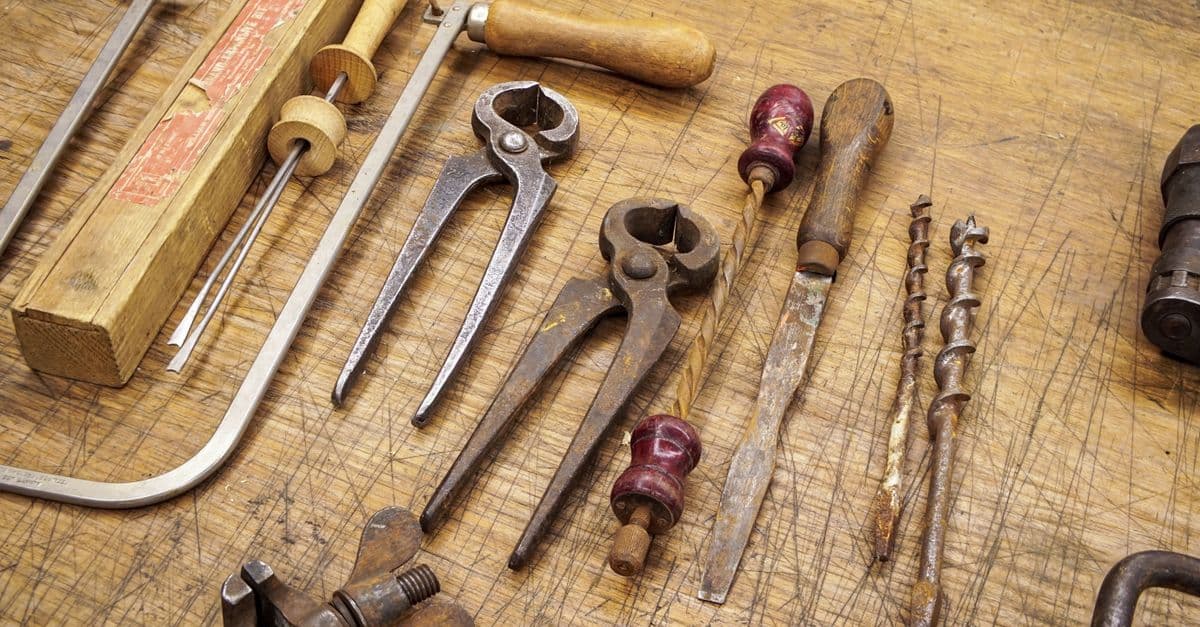
How-to
The Cast Iron Lye Bath: How to Set One Up Safely
A full lye bath guide: one pound of lye crystals to five gallons of water in a lidded plastic container, days rather than hours of soaking, and the safety rules that actually matter. Includes what must never go in a lye bath.
Read →
How-to
Cast Iron Electrolysis: How to Build and Run an E-Tank
A working electrolysis tank for cast iron rust removal: 1-2 tablespoons of washing soda per gallon, a manual battery charger, black clamp on the skillet and red on a sacrificial anode, run outdoors because it produces hydrogen.
Read →
Buyer's guide
When Cast Iron Is Not Worth Restoring
The honest go/no-go on a damaged pan: how to find hairline cracks under raking light, the wobble test for warping, what rust and sulfur pitting actually cost, and why the classic ring test does not work.
Read →