The Brands
Cast Iron Brands, Compared
From the $25 workhorse to the $400 heirloom. What each brand actually does better, who it's for, and when you're paying for the logo.
Cast iron brands sort into three camps: the value giant (Lodge), the French enamel icons (Le Creuset, Staub), and the American boutique smiths (Smithey, Field, Stargazer). Each camp is genuinely good at something, and each asks you to pay for something. These reviews are about telling you which is which — including, plainly, when a brand's premium buys you craft and when it buys you a name.
We earn a commission when you buy through our Amazon links, at no extra cost to you. It never affects our rankings, and we say so when the cheaper pan is the better buy. How this works.
Start here
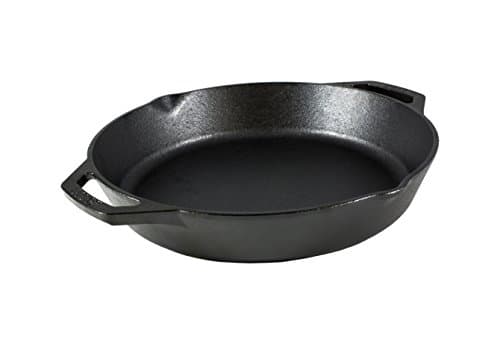
Lodge Cast Iron Review
American-made, near-unkillable, and priced so low it is the default skillet and dutch oven we point most readers to.
Before you buy
What to know first
The three camps
Lodge is the value giant: American-made, pebbly-surfaced, near-unkillable, and cheap enough to buy without a second thought. Le Creuset and Staub are the French enamel icons — heirloom objects with lifetime warranties and real resale value. Smithey, Field and Stargazer are the American boutique smiths, machining a glass-smooth surface and casting thin in the pre-war Griswold tradition. Knowing which camp a pan belongs to tells you most of what you need before you read a single spec.
When a premium is craft, and when it's a logo
A boutique smith's premium is mostly real: a machined surface and a lighter, better-balanced pan are things you can feel. A French pot's premium is part craft and part brand — the enamel and hardware are genuinely nicer, but the cooking is close to a Lodge enameled that costs a third as much. We are explicit on every review about which part of the price is performance and which part is the name on the pan.
Made in USA, made in France, made everywhere
Lodge and the American smiths are made in the United States; Le Creuset and Staub in France; value brands like Tramontina and Victoria elsewhere. Origin does not change how a pan cooks, but it does track with price, warranty and resale. If a heirloom you can hand down matters to you, that is a real reason to pay for a French or American-boutique pan — just not a cooking one.
Which brand should you actually start with
Almost everyone should start with Lodge — a bare 10.25-inch skillet and, if you want a pot, the enameled dutch oven. Graduate to a boutique smith when you know you love cast iron and want a smoother, lighter pan; buy a French pot when you want the object as much as the cooking. Our Lodge review is the honest default; the rest tell you when to spend more.
Everything in this hub
All brands guides
Brand review
Lodge Cast Iron Review
American-made, near-unkillable, and priced so low it is the default skillet and dutch oven we point most readers to.
$24.42Top pick4 picks ranked
Brand review
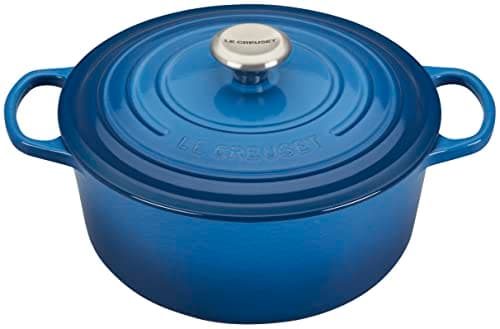
Le Creuset Review
Superb, iconic and heirloom-priced. You pay for the warranty, the resale value and the beauty - not for better cooking than a Lodge enameled.
$454.95Top pick3 picks ranked
Brand review
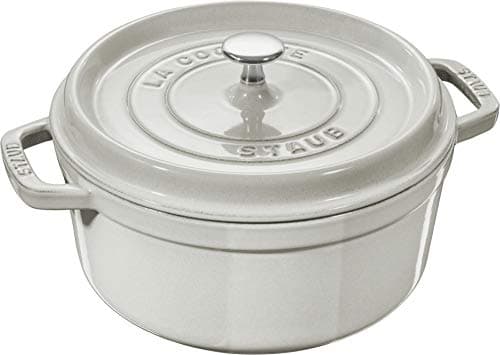
Staub Review
Made in France, built around dark browning enamel and a self-basting lid. The Le Creuset alternative for cooks who brown hard and braise low.
$329.99Top pick2 picks ranked

Brand review
Field Company Cast Iron Review
Light, smooth and American-made in the vintage Griswold tradition. A genuine luxury small skillet - and it does not pretend otherwise.
$135.00Top pick1 picks ranked
Brand review
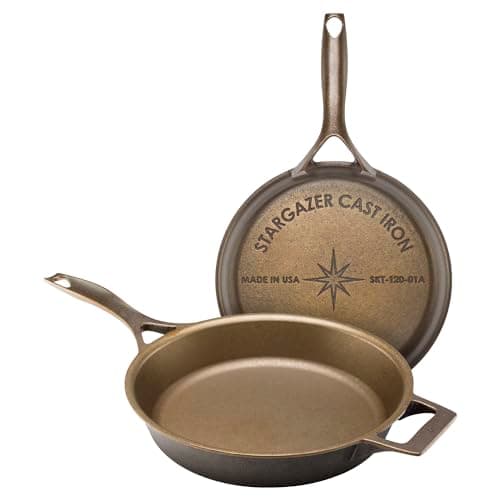
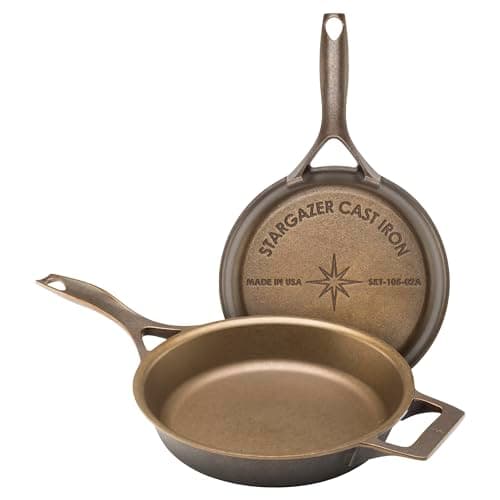
Stargazer Cast Iron Review
Machined-smooth, American-made, and built around a handle that actually stays cool and comfortable. The rare boutique pan that is a real upgrade, not just a status buy.
$175.00Top pick1 picks ranked
Brand review
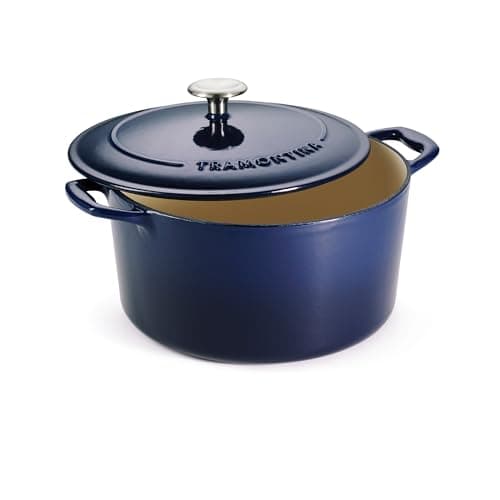
Tramontina Cast Iron Review
The budget-reviewer darling for enameled dutch ovens - a big, capable 6.5-quart pot for not much money. Just mind the 450F knob rating.
$62.96Top pick1 picks ranked
Brand review
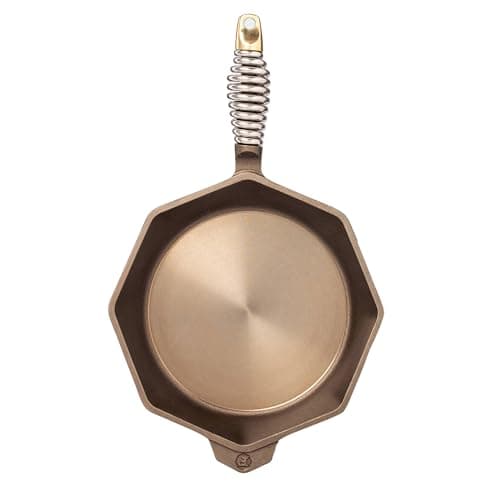
Finex Cast Iron Review
The octagonal, spring-handled, made-in-USA design icon of cast iron. Beautiful and heavy - a luxury that is honest about being one.
$199.95Top pick3 picks ranked
Brand review
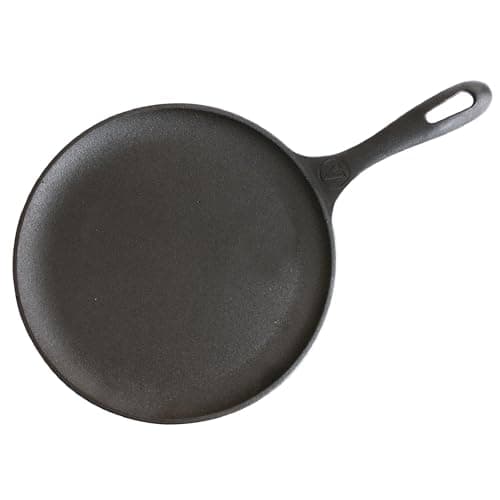
Victoria Cast Iron Review
Victoria is the value skillet alternative to Lodge: a more comfortable long handle, a flaxseed-oil seasoning head start, and real expertise in comals, at a similar price. Casting consistency is a small notch below Lodge.
$30.99Top pick2 picks ranked
Brand review
Stargazer Cast Iron Skillet Review
A focused review of the Stargazer 12-inch skillet - machined glass-smooth, cast light, and built around the best handle in the category. Which size to buy, and whether to spend past a Lodge.
$175.00Top pick1 picks ranked
Brand review
Field Company Skillet Review
A focused review of the Field Company skillet - light, glass-smooth and American-made in the pre-war Griswold tradition. Which size to buy, where to buy it, and whether the luxury is worth it.
$135.00Top pick1 picks ranked
Roundup
The Best American-Made Cast Iron
Six pieces of genuinely American-cast iron, ranked with live prices - led by the Lodge 10.25-inch, which is both the cheapest and the most useful. Includes the line Lodge itself draws between its American bare iron and its imported enameled line, and the excellent pans we recommend that are not American at all.
$24.42Top pick6 picks ranked
Brand review
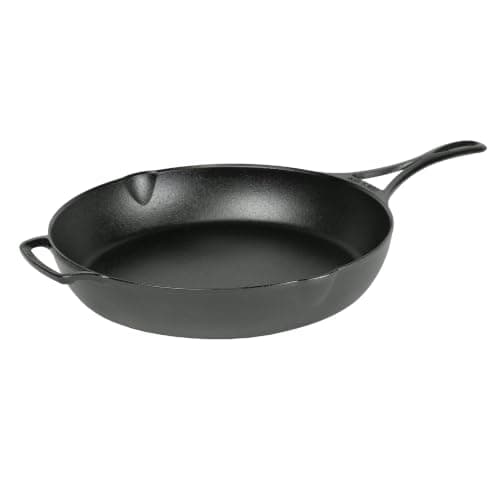
Lodge Blacklock Skillet Review
A close read of Lodge's premium bare skillet - thinner, triple seasoned at the foundry, with a longer handle. What you are buying, what the thinner casting costs you in stored heat, and the machining claim Lodge pointedly does not make.
$79.95Top pick1 picks ranked
Head to head
Backcountry Iron vs Lodge
The cheapest genuinely milled skillet against the default Lodge and the lighter Blacklock, compared on published weights and published finishes — with a straight answer on which to buy and why a smooth surface matters less than people expect.
$24.42Top pick3 picks ranked
Roundup
The Best Lodge Alternatives
Six alternatives to a Lodge skillet ranked by the complaint each one answers: the machined American pan most people should buy, the cheapest milled surface, the lightest heirloom, a long-handled budget pick, a design object, and the carbon steel pan that leaves cast iron behind.
$155.00Top pick6 picks ranked
Roundup
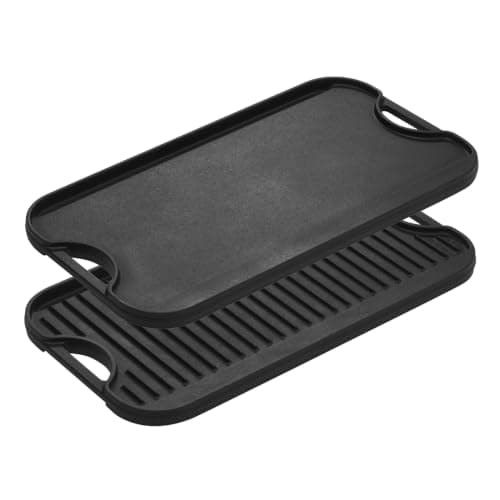
Lodge Cast Iron Griddles
The complete Lodge flat-surface range in one place: two round griddles, the two-burner reversible slab, two grill pans and the sizzling oval server — sorted by what you cook and how much burner you have.
$49.90Top pick6 picks ranked
Head to head
Lodge Classic vs Chef Collection vs Blacklock
Lodge's three lines, head to head on the only four things that differ: how the surface is cast, how much the pan weighs, how it is seasoned, and the shape of the handle. Spoiler: the cheapest line is still the right answer for most buyers.
$24.42Top pick3 picks ranked
Buyer's guide
Griswold Cast Iron
The Griswold identification guide: the cross-logo sequence collectors use to date a pan, the reproduction tells, what actually drives price, and the three tools that take a flea-market find back to a cooking pan.
$24.90Top pick3 picks ranked
Buyer's guide
Wagner Cast Iron
Wagner's full story and markings: the Wagner Ware, National, Long Life and Wardway sub-brands, the Griswold takeover it pulled off in 1957, why Wagner pans cost less than Griswold ones for the same quality, and what to buy new instead.
$135.00Top pick3 picks ranked
Brand review
Smithey Ironware Review
Gorgeous, polished, made-in-Charleston cast iron sold direct rather than on Amazon. We tell you exactly where to buy it - and the smooth pans you can buy on Amazon instead.
Read →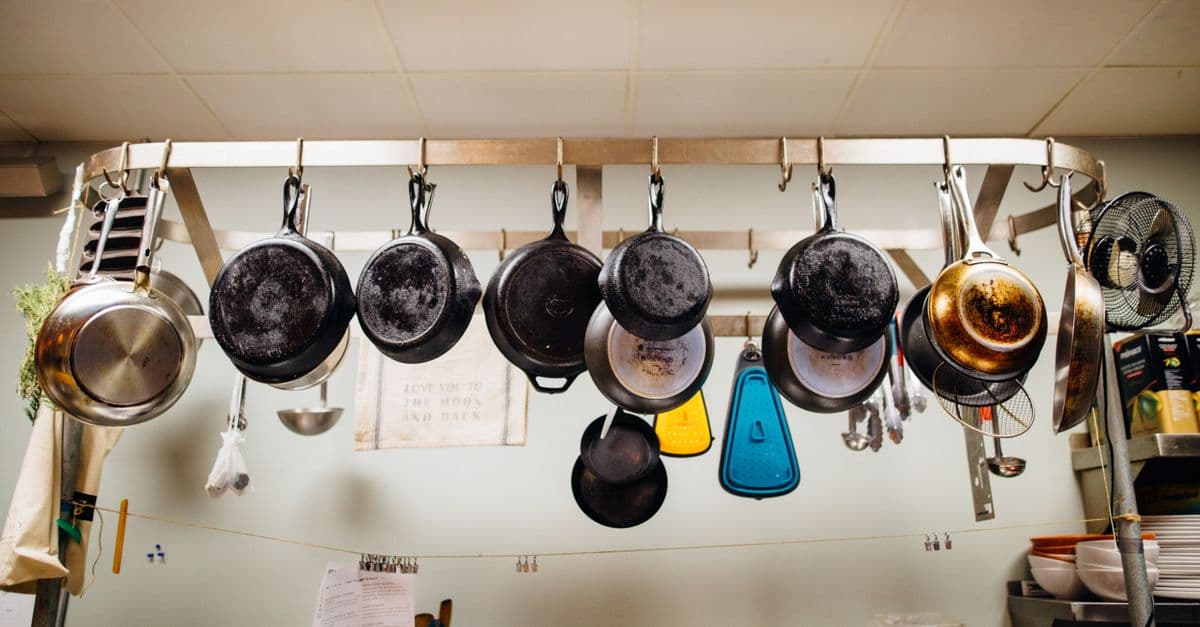
Brand review
Lancaster Cast Iron Review
Ultralight, machined-smooth, made-in-Pennsylvania cast iron sold direct rather than on Amazon. What makes it special, and the smooth pans you can buy on Amazon instead.
Read →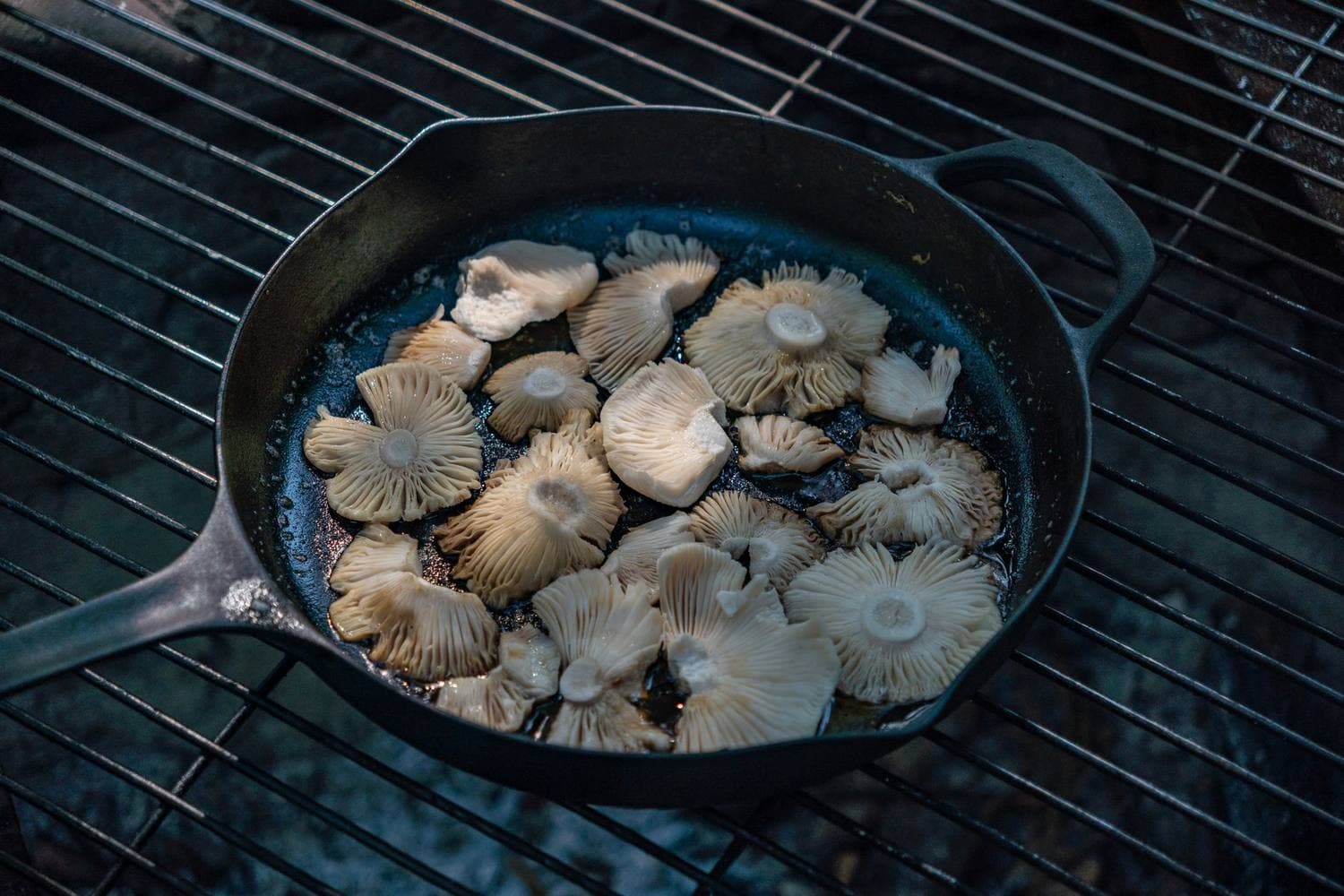
Head to head
Lancaster vs Stargazer
Lancaster and Stargazer are both machined-smooth, ultralight, made-in-Pennsylvania skillets. Lancaster is a touch lighter and direct-order only; Stargazer has the best handle in cast iron and a first-party Amazon listing.
Read →Head to head
Lancaster vs Smithey
Lancaster is an ultralight, machined-smooth thin skillet; Smithey is a heavier, mirror-polished heirloom. Both sell direct, not on Amazon. Choose Lancaster for lightness, Smithey for the finish and heft.
Read →Head to head
Lancaster vs Field
Lancaster and Field both make thin, light, machined cast iron in the pre-war Griswold tradition. Lancaster is among the very lightest pans on the market and often the more affordable of the two, sold direct. Field is a touch heavier with a beloved satin-smooth finish and iconic status. Both are premium luxuries a well-seasoned Lodge nearly matches for cooking — the choice is weight and price versus finish and pedigree.
Read →