Yes. Cooking in bare cast iron does transfer dietary iron into food, and in some dishes the effect is large — an American Dietetic Association study found the iron in spaghetti sauce rose 845 percent, from 0.61 to 5.77 mg per 100 g. If that is your reason for buying a pan, buy a plain bare skillet: a $25 Lodge 10.25-inch does this exactly as well as a $200 boutique pan, and better than any enameled pot. Two honest caveats follow, and one of them is a reason some people should not do this at all.
This page exists because it is one of the most-searched questions about cast iron and one of the worst-answered. We are not clinicians and nothing here is medical advice; if you are treating a diagnosed deficiency, that is a conversation with your doctor, not with a cookware site. What we can do is report what the published research says, cite it, and tell you which pan does the thing you are asking about.
What the study actually measured
The source behind nearly every article on this subject is an American Dietetic Association study, summarized on Wikipedia's cast-iron cookware page, which found that cast-iron cookware can leach significant amounts of dietary iron into food — and, importantly, that how much varies enormously by dish. Two of its figures bracket the range:
| Food | Iron before | Iron after cooking in cast iron | Change |
|---|
| Spaghetti sauce | 0.61 mg/100 g | 5.77 mg/100 g | +845% |
| Cornbread | 0.67 mg/100 g | 0.86 mg/100 g | +28% |
| Tomato sauce, UNSEASONED skillet (separate lab test) | Not stated | 10.8 mg/100 g | — |
| Tomato sauce, seasoned skillet (same lab test) | Not stated | “only a small amount” leached | — |
The first two rows are the ADA study; the last two are laboratory tests by America's Test Kitchen, reported in the same Wikipedia summary. We did not measure any of this — we do not run a lab, and our methodology page says so in those words. We are reporting published figures and naming their source, which is the whole of our method on questions like this.
The four things that decide how much iron you get
The same summary lists what the amount absorbed depends on: the food, its acidity, its water content, how long it is cooked, and how old the cookware is. In practice that means:
- Acidity. Food acids — tomato, wine, vinegar, citrus — pull far more iron out of the pan than neutral foods. That is why the sauce figure dwarfs the cornbread figure.
- Water content.Wet, simmering dishes transfer more than a dry sear — a quick fillet of salmon, a frittata or a hard sear contribute far less than a pot of sauce.
- Time. A long simmer transfers more than four minutes of eggs.
- The age and state of the pan. A newer or stripped pan transfers more than an old, well-built one.
The caveat that reverses the usual advice
Here is the part that most articles leave out, and it is the single most useful fact on this page: a well-seasoned pan transfers less iron, not more. In the lab tests cited above, an unseasoned skillet put 10.8 mg/100 g of iron into tomato sauce while a seasoned pan leached only a small amount. That makes sense from what seasoning physically is: a bonded layer of polymerized oil sitting between the iron and your food.
So the iron-transfer effect is largest in exactly the conditions that are worst for your pan: a new or stripped surface, a long acidic simmer, lots of liquid. That is the same cooking we warn against in can you cook tomato sauce in cast iron and the reason Lodge's own care guidance is cautious about acidic foods: it strips seasoning and can leave a metallic taste. You cannot simultaneously maximize iron transfer and look after a pan. Decide which you are doing.
Who should avoid this on purpose
The flip side of the effect is real. The same source states plainly that people with hemochromatosis — iron overload — should avoid using cast-iron cookware because of the leaching effect, and that people with anemia or other iron deficiencies may benefit from it. If you are in the first group, the practical answer is enameled cast iron: enamel is inert glass fused to the iron, and the same summary notes that for those seeking to reduce iron in their diet, enameled cast iron limits the leaching of dietary iron into food. Our enameled skillet roundup and enameled vs bare cast iron cover that side of the fork.
Keep the scale of it honest
A skillet is not a supplement. Iron deficiency is the most common nutritional deficiency worldwide and it is a clinical matter with clinical answers. What a cast iron pan contributes is non-heme iron, which the body absorbs less readily than the heme iron in meat, and in amounts that depend on what you cooked. The strongest evidence that the effect is nonetheless real and useful is that it was deliberately engineered into a public-health device: the lucky iron fish, a small iron ingot cooked with food to provide dietary iron, was developed on the back of exactly this mechanism.
The sensible framing: if you were going to buy a skillet anyway, cooking in bare iron is a free marginal benefit, and tomato-based simmers are where it shows up most. If you are buying a pan as a treatment, talk to your doctor first.
Which pan, then
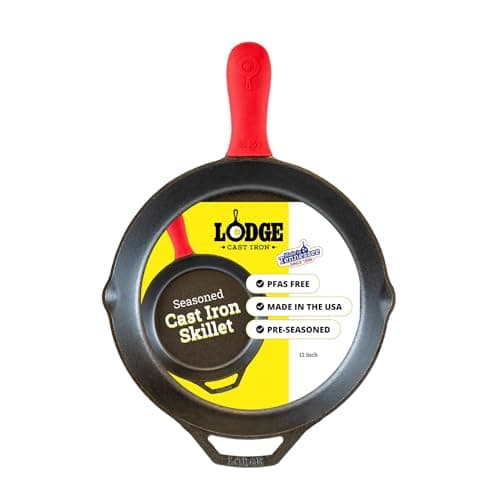
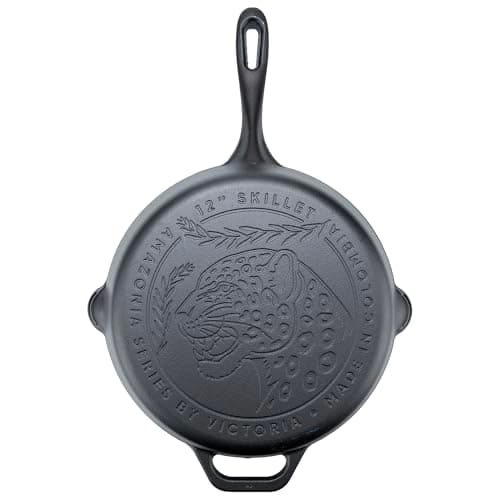
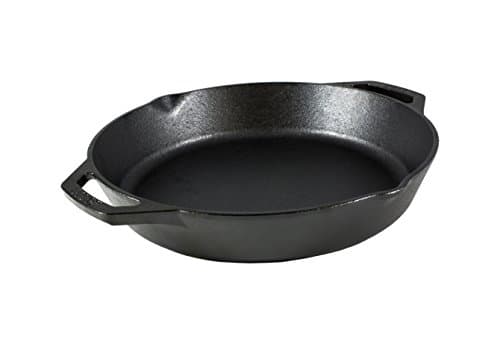
Any bare cast iron pan. This is the one question on this entire site where price buys you nothing: the iron in a $25 Lodge is the same iron as in a $200 machined boutique pan, and the variables that matter are the food, the acidity, the time and the state of the seasoning. So the three picks below are a plain 10.25-inch Lodge, the 12-inch for bigger wet dishes, and a Victoria 12-inch for anyone who wants a longer, more comfortable handle on a pan that will spend time full of simmering sauce.
What to avoid for this purpose: enameled pots and pans (the enamel is a barrier by design), and any pan with a nonstick coating. If you want the broader buying advice, our skillet roundup ranks the whole field, best for beginners is the first-pan page, and is cast iron worth it takes on the general case for the material.
Not medical advice.Everything above is reported from the published sources listed at the bottom of this page. Iron supplementation, deficiency and overload are clinical matters — particularly hemochromatosis, where additional dietary iron is a genuine risk. Talk to a doctor or dietitian about your own situation. We sell nothing but opinions about pans, and we would rather you got this one right.
If iron transfer is your reason for buying, read this part
Buy bare, not enameled
The entire effect depends on food touching iron. Enamel is a glass barrier — useful if you want less iron, counterproductive here. Bare, pre-seasoned cast iron is what you want, and it is also the cheapest part of the market.
Spend the minimum
A machined surface, a thinner casting and a lighter pan are all genuine upgrades for cooking, and completely irrelevant to this question. The default 10.25-inch Lodge is the right buy; our best budget cast iron page makes the general version of that argument.
Size for wet cooking, not for searing
The dishes that transfer the most iron are saucy and simmered, so a bigger pan with more surface and more volume does more of it. A 12-inch skillet is the practical choice if sauces and braises are the plan; a 10.25-inch is the better all-rounder. The 10-inch vs 12-inch comparison covers the trade-off, and a skillet with a lid is worth considering if you simmer a lot.
Accept the trade-off with your seasoning
Long acidic cooking in bare iron does two things at once: it moves the most iron into your food and it eats your seasoning. Plan to re-season more often if you do this regularly — how to season cast iron and how often to season are the two pages you will need. A dedicated older pan for acidic simmering is not a silly idea.
Ignore the scare stories in both directions
Cast iron is not dangerous, and it is not a vitamin. Our is cast iron safe page handles the usual worries, and is black residue on cast iron safe covers the one that comes up most often with a newly seasoned pan.
And if you have hemochromatosis
Use enameled cast iron or stainless steel, not bare iron, and take the question to your clinician rather than to a search engine. The leaching effect that makes this page interesting for one group of people is exactly the reason another group is told to avoid these pans.