The Dutch Ovens
Dutch Ovens
Soups, braises, bread, and a whole chicken — the most useful pot in the kitchen. We show where a $90 pot matches a $450 one, and where it genuinely doesn't.
The dutch oven is the pot that turns cheap, tough cuts into the best meal of the week, and bakes a bakery-grade loaf of bread on the side. The famous French names are wonderful objects — and for pure cooking, an enameled Lodge does ninety percent of the job for a third of the price. This hub is about matching the pot to your cooking and your budget, not to the marketing.
We earn a commission when you buy through our Amazon links, at no extra cost to you. It never affects our rankings, and we say so when the cheaper pan is the better buy. How this works.
Start here
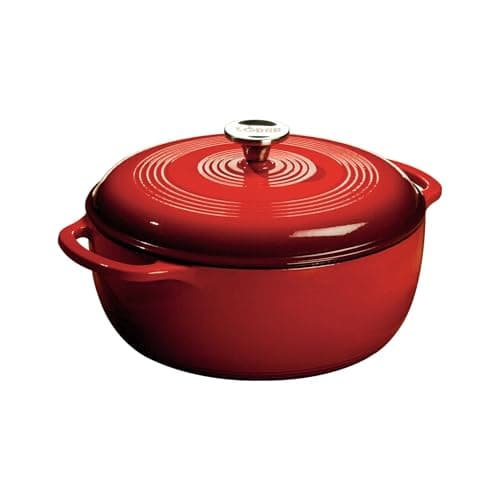
The Best Dutch Ovens
Six dutch ovens ranked, from the value-champion Lodge enameled pot to French heirlooms and a bare pot built for bread.
Before you buy
What to know first
Enameled or bare — the first fork
Enameled dutch ovens need no seasoning, shrug off acidic tomato braises, and clean up with soap and water — the easy, forgiving choice, and the one most people should buy. Bare cast iron takes and holds seasoning, so it becomes naturally nonstick and is superb for bread and searing, but it needs care and dislikes long acidic cooking. If you buy one pot, buy enameled; if you bake a lot of bread, a bare pot or combo cooker is the better tool.
Size: five to six quarts is the sweet spot
A 5.5 to 6-quart round pot is the most useful single size — big enough for a family stew, a whole chicken, or a large boule of bread, without being so heavy it stays in the cupboard. Go smaller (4 quarts) only if you cook for one or two; go bigger only if you routinely batch-cook. Round suits bread and most cooking; oval is a niche shape for long roasts.
Where the money actually goes
Between a $90 Lodge and a $450 Le Creuset, the cooking is nearly identical. The premium buys a harder, prettier enamel, larger and more comfortable handles, a higher oven-safe knob rating, a lifetime warranty, and real resale value. Those are legitimate reasons to splurge — they are just not performance reasons. We say which is which on every pot.
The one spec to check: the knob
If you bake bread, the pot goes into a very hot oven, sometimes preheated empty. Check the temperature rating of the lid knob — the French pots and the Lodge enameled are rated to 500°F, while some budget pots cap out at 450°F. It is the single spec that quietly rules a pot in or out for high-heat bread, and the one most buyers never think to check.
Everything in this hub
All dutch ovens guides
Roundup
The Best Dutch Ovens
Six dutch ovens ranked, from the value-champion Lodge enameled pot to French heirlooms and a bare pot built for bread.
$72.99Top pick6 picks ranked
Roundup
The Best Enameled Cast Iron Dutch Ovens
Six enameled dutch ovens ranked for braising, from the Lodge that wins on value to the French icons worth their price.
$72.99Top pick6 picks ranked
Roundup
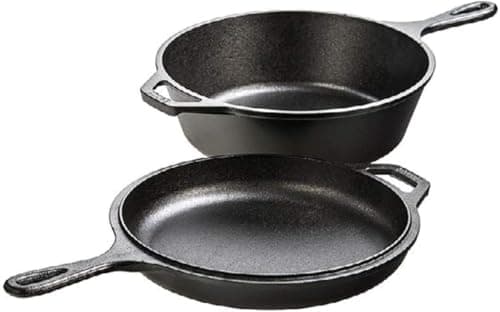
The Best Dutch Oven for Sourdough Bread
Five bread vessels ranked, from the budget-champion Lodge Combo Cooker to a French heirloom and a ceramic cloche.
$59.90Top pick5 picks ranked
Roundup
The Best Budget Dutch Ovens
Budget enameled cast iron dutch ovens ranked with live prices - the pots that braise, bake bread and make soup nearly as well as a French one for far less.
$72.99Top pick5 picks ranked
Roundup
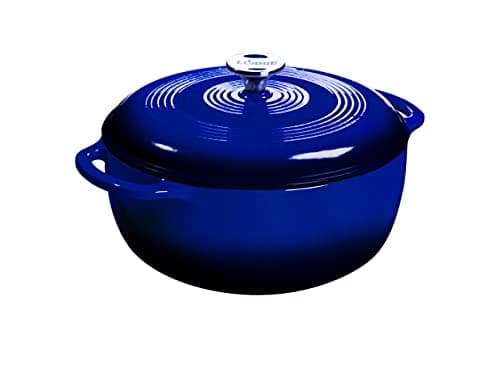
The Best Small Dutch Ovens
Small dutch ovens (about 2 to 4 quarts) ranked with live prices - right-sized enameled pots for one or two people, from a value Lodge to a budget Amazon Basics and a premium Le Creuset.
$59.90Top pick3 picks ranked
Roundup
The Best Lodge Dutch Ovens
Lodge dutch ovens ranked with live prices - the value enameled pot most people should buy, the bare double dutch oven, the two-in-one combo cooker, and the outdoor camp dutch oven.
$72.99Top pick4 picks ranked
Roundup
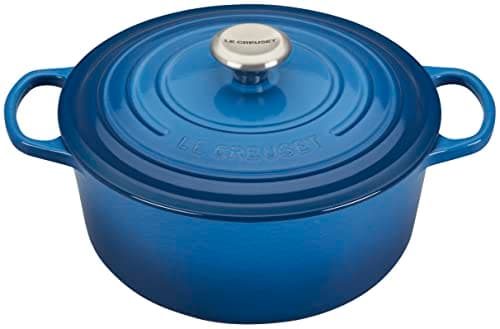
The Best Le Creuset Dutch Ovens
Le Creuset dutch ovens ranked by size with live prices - the 5.5-quart is the sweet spot, the 4.5-quart the light everyday pick, the 7.25-quart for a crowd, the 2.75-quart for two.
$454.95Top pick4 picks ranked
Roundup
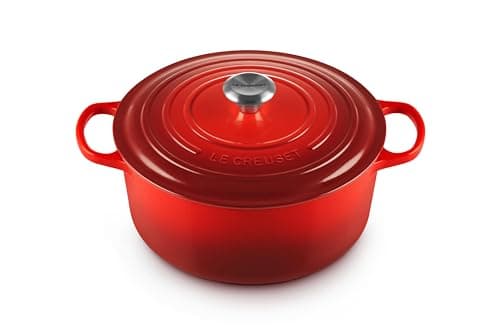
The Best Le Creuset Alternatives
Enameled cast iron dutch ovens that cook like a Le Creuset for far less - the Lodge 6-quart is the best-value pick, with a large Tramontina, a mid Cuisinart, a rock-bottom Amazon Basics and a small Lodge.
$72.99Top pick5 picks ranked
Roundup
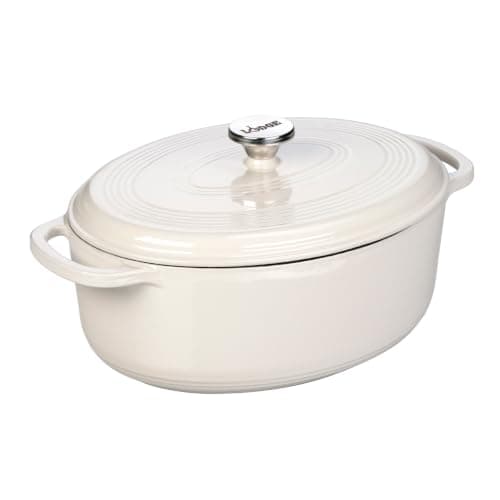
The Best Large Dutch Ovens
Large dutch ovens from 6.5 quarts up - the Le Creuset 7.25 is the heirloom, the Lodge 7.5 the value pick, with a budget Tramontina, a rock-bottom Amazon Basics and a camp pot for cooking over fire.
$363.69Top pick5 picks ranked
Roundup
The Best Oval Dutch Ovens
Five oval dutch ovens ranked, from the value-champion Lodge to French heirlooms built for roasts, plus the budget picks that fit a whole bird for less.
$99.90Top pick5 picks ranked
Roundup
The Best Dutch Ovens for Beginners
Start with one 6-quart enameled pot. It braises, bakes bread, and cleans up with soap and water, and it costs a fraction of a French heirloom that cooks about the same. Here are the beginner picks, ranked.
$72.99Top pick6 picks ranked
Roundup
The Best Dutch Oven Brands
Lodge, Le Creuset, Staub, Tramontina, Cuisinart and Amazon Basics, compared brand by brand. What each is actually good at, what the French premium really buys, and where the badge stops mattering.
$72.99Top pick6 picks ranked
Roundup
The Dutch Oven Gift Guide: Six Pots, Every Budget
Gifting a dutch oven, done properly: the mid-size enameled Lodge is the pot that lands for almost anyone, a small pot suits a one or two person household better than people expect, and the French pots are for milestones. Live prices throughout.
$72.99Top pick6 picks ranked
Head to head
Dutch Oven vs Bread Cloche
A bread cloche is lighter, shallower and easier to load than a dutch oven - and it bakes bread only. The dutch oven does the same job and then cooks everything else, which is why it wins for almost every household. Compared on loading, weight, crust, capacity and price, with live figures.
$59.90Top pick4 picks ranked
Roundup
The Best Dutch Ovens for Soup and Stew
Five enameled pots ranked for soup and stew, sized by household rather than by price: the 6-quart Lodge that suits most kitchens, a 5-quart for two, two large-batch pots at 7.25 and 7.5 quarts, and where a stock pot is the smarter buy.
$72.99Top pick5 picks ranked
Head to head
Lodge vs Amazon Basics Dutch Oven
The 6-quart Lodge against the 6-quart and 4.3-quart Amazon Basics pots: what the small premium actually buys, which published specs exist for each, and when the rock-bottom pot is genuinely the right call.
$72.99Top pick3 picks ranked
Roundup
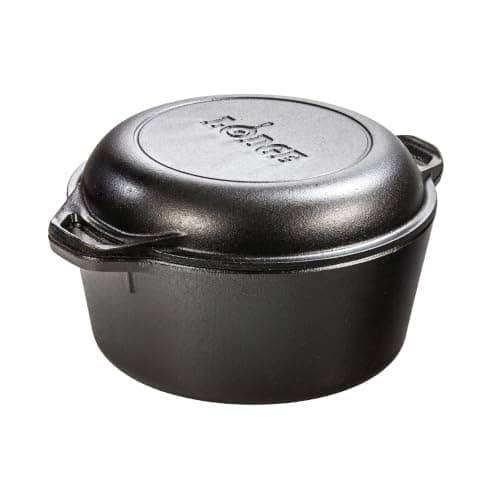
The Best Cast Iron Pots
Four bare cast iron pots ranked on what actually separates them: how the lid works, how easily you load it, and whether it belongs on a stovetop or over coals. The enameled pots are a different page on purpose.
$59.90Top pick4 picks ranked
Buyer's guide
Dutch Oven Recipes
The complete dutch oven recipe index, grouped by method rather than by meal: what the lid is doing in each group, the three mistakes that flatten a braise, and which pot suits which job.
$72.99Top pick3 picks ranked
Brand review
Lodge Enameled Dutch Oven Review
The 6-quart Lodge Essential Enamel dutch oven, reviewed: what the stainless knob and 500F ceiling actually buy you, the honest cons, where Lodge publishes that this line is made, and which of the four sizes to pick.
$72.99Top pick4 picks ranked
Buyer's guide
Where to Buy a Dutch Oven
The channel guide rather than another ranking: what online, big-box, cookware stores, factory outlets and secondhand each do well, the eight-point in-person inspection, and the two routes where people lose money.
$72.99Top pick4 picks ranked
Buyer's guide
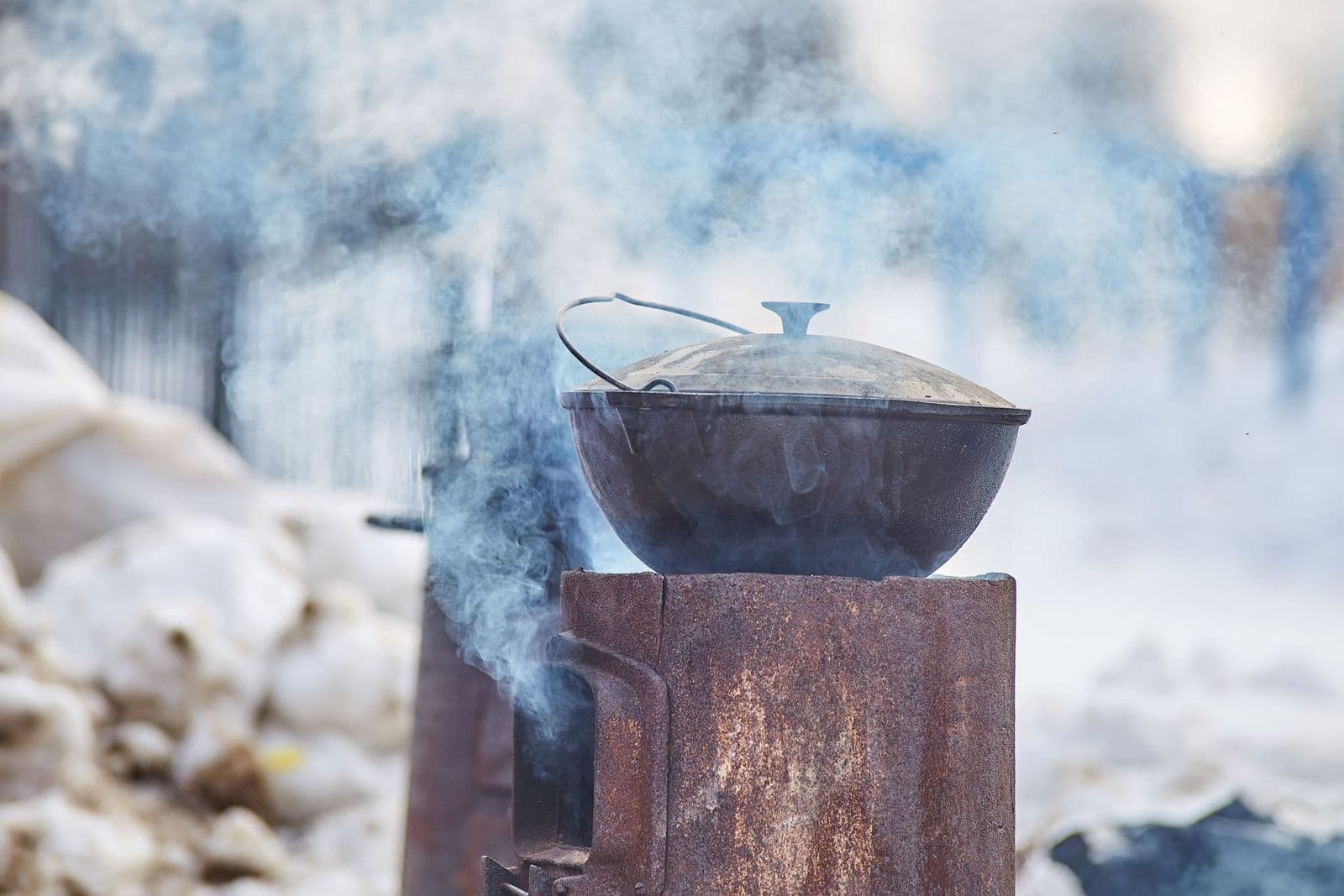
What Size Dutch Oven Do You Need?
For most people a 5.5-to-6-quart round dutch oven is the sweet spot — a family stew, a whole chicken, or a boule of bread. Here is when to size up or down, and round versus oval.
Read →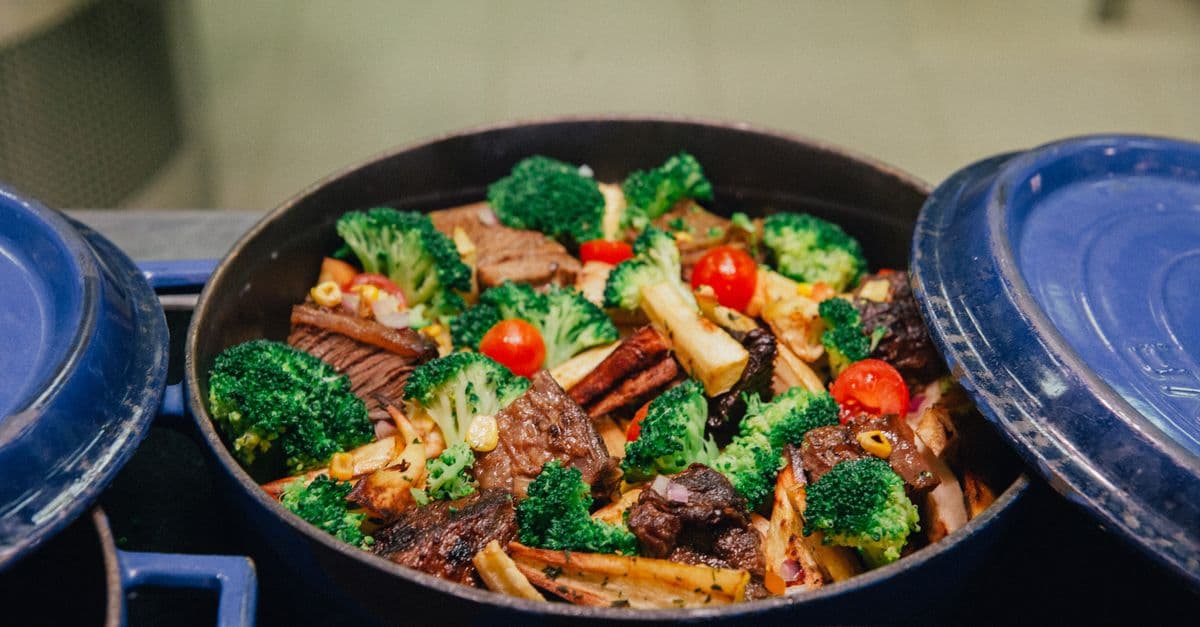
Head to head
Dutch Oven vs Roasting Pan
A dutch oven is a lidded pot for moist braises, soups and bread; a roasting pan is a big open vessel with a rack for dry-roasting large birds and joints. Which to buy first, and when a dutch oven covers both.
Read →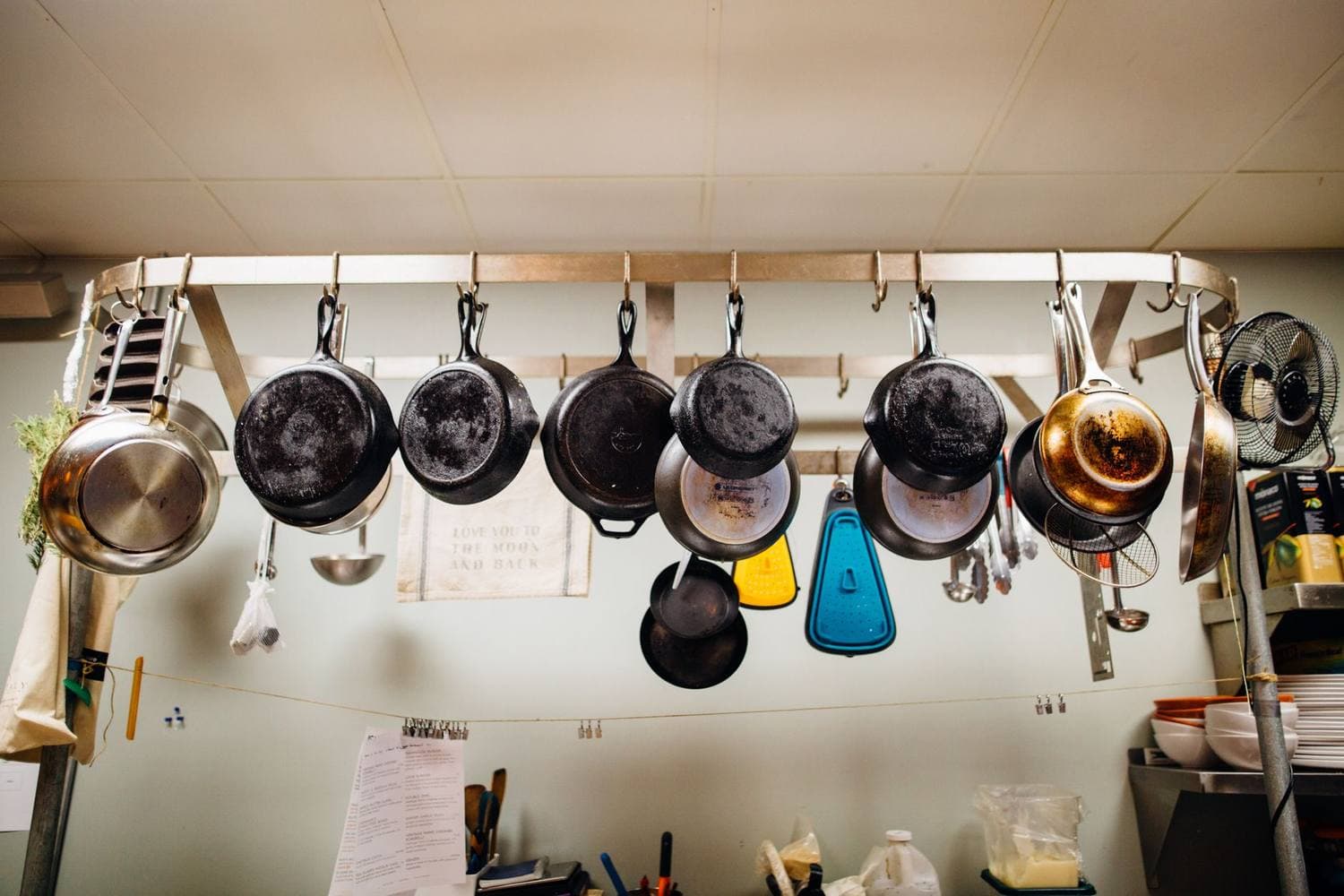
Head to head
Aluminum vs Cast Iron Dutch Oven
An aluminum Dutch oven is far lighter, never rusts, needs no seasoning, and heats quickly — ideal for backpacking or anyone who hates the weight of iron. A cast iron Dutch oven is heavy but holds and radiates heat far better over campfire coals, sears harder, and lasts for generations. For carrying long distances, aluminum wins; for cooking quality over a fire, cast iron wins. Car campers and home cooks lean iron; backpackers lean aluminum.
Read →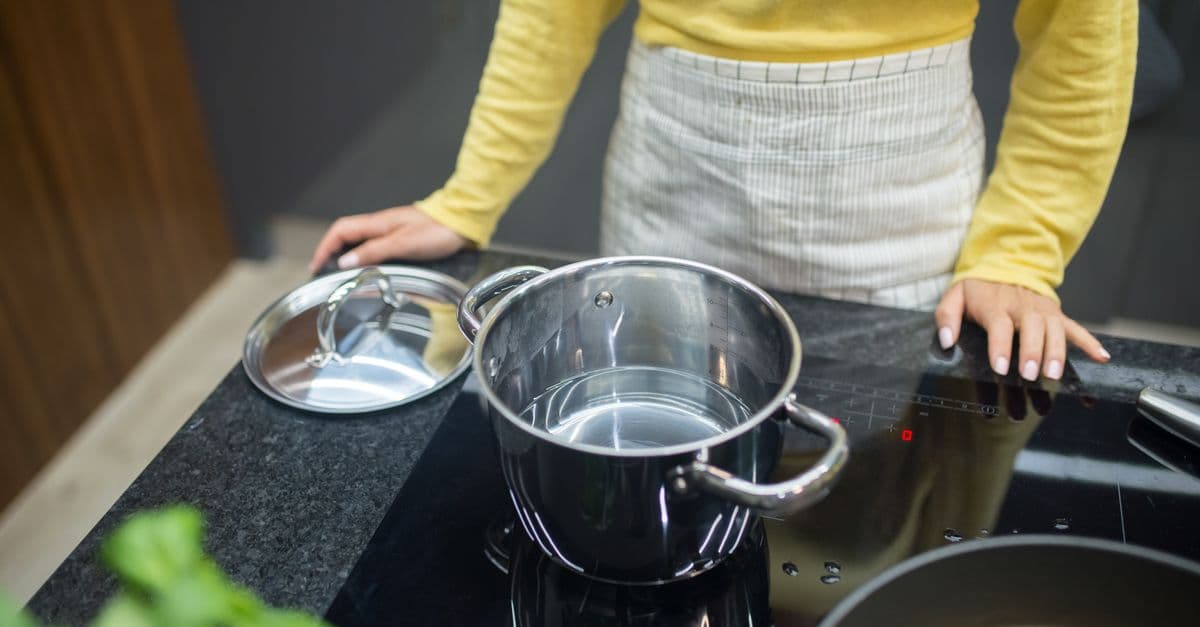
Buyer's guide
Dutch Ovens on Induction: What Actually Matters
Cast iron dutch ovens work on induction, enamel included - but base diameter versus element size decides how evenly they heat, induction's speed punishes an empty enameled pot, and camp ovens with legs do not belong on a glass cooktop at all.
Read →