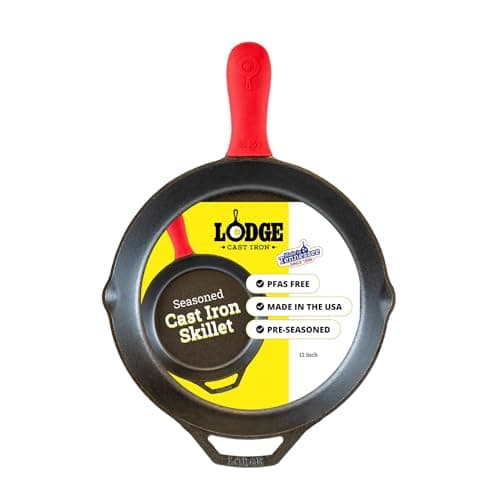
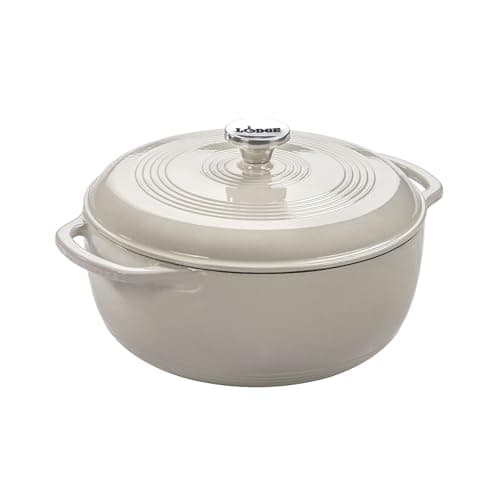
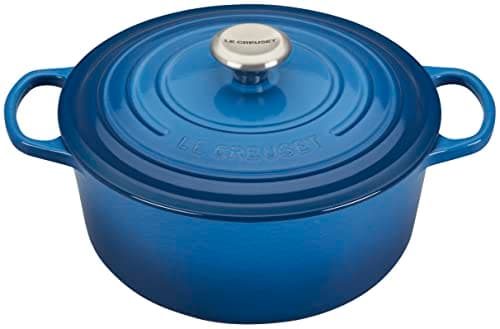
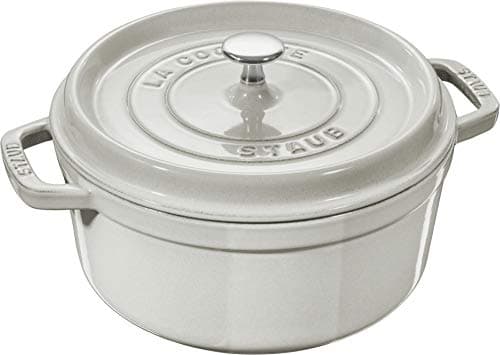
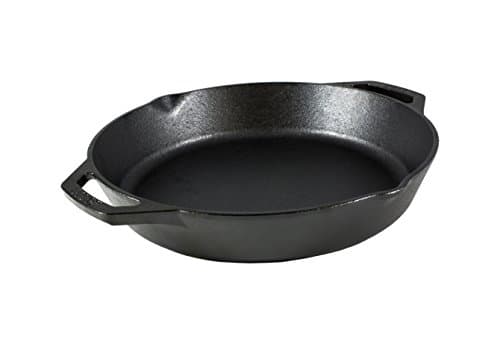
Almost all cast iron works on induction, because an induction hob heats by inducing a current in a magnetic, ferrous pan — and cast iron is about as ferrous as cookware gets. You do not need a special "induction" pan. The only real requirements are a flat base that sits fully on the glass and a gentle hand, because a heavy, rough-bottomed pan dragged across a ceramic top can scratch it. Our picks are the flat-based skillets and dutch ovens we would put on our own induction range.
Induction cooking works by generating a magnetic field that induces heat directly in the pan, which is why it only works with ferrous (magnetic) cookware — and cast iron, bare or enameled, is perfectly magnetic. In fact iron is close to the ideal induction material: it couples strongly to the field and its thermal mass smooths out induction's tendency to run hot and fast. The thing induction does not love is a warped or ridged base, which sits unevenly on the glass and heats patchily. Every pick here has a flat, stable bottom.
What actually matters on induction
Three things. A flat base, so the pan couples evenly to the hob and does not rock. Reasonable weight distribution, because you should lift cast iron on and off a glass top rather than slide it — dragging a heavy pan is how ceramic tops get scratched. And, for a bare pan, good seasoning, so it releases food on a cooktop that heats fast. Enameled pots are the most worry-free induction cookware there is: flat, heavy, nonreactive and easy to keep clean. If you are choosing between materials for a glass or induction top generally, our cast iron on glass and induction cooktops guide covers the whole question.
The one downside, and the fix
Induction concentrates heat right under the coil, and cast iron is slow to spread it, so a large skillet can develop a hotter center than edge — you notice it when a pancake browns in the middle first. The fix is simple: preheat a little longer on medium so the stored heat evens out across the pan before you cook, and nudge food around a big skillet rather than trusting the whole surface to sit at one temperature. A heavy pot has less of this problem because its mass buffers the hotspot, which is another reason an enameled dutch oven is such a comfortable induction companion.
The other honest note is about the glass, not the cooking. A ceramic induction top scratches if you drag a heavy, slightly rough cast-iron base across it, so lift the pan on and off — a habit worth building on day one. Keep the pan's base clean and smooth, wipe up spills once the top has cooled, and consider a thin silicone protector under a pan you slide often. None of this is a reason to avoid cast iron on induction; it is the single best cookware match for the technology. It is just the small print that turns a good pairing into a trouble-free one, and it applies equally to the skillets and the pots on this list.
How to choose cast iron for induction
Flat base first
A flat, unwarped bottom is the one non-negotiable. Skip pans with a heavily ridged base (a ridged grill pan heats unevenly on induction), and if you buy vintage, check the pan sits dead flat on a countertop. All our picks are flat-bottomed.
Lift, do not slide
Cast iron and glass tops coexist happily if you lift the pan on and off rather than drag it. A silicone mat is optional insurance. This one habit prevents the only real downside people report.
Enameled is the easiest choice
An enameled dutch oven is arguably the perfect induction pot: magnetic, flat, heavy enough to hold a steady simmer, nonreactive and dishwasher-easy. If you cook a lot of soups, braises and bread on induction, start there — see the best enameled dutch ovens.
Mind induction's speed
Induction dumps heat in fast, and cast iron holds it, so a pan can overshoot if you walk away. Preheat on medium, not high, and give the pan a moment to settle. Our preheating guide applies directly.